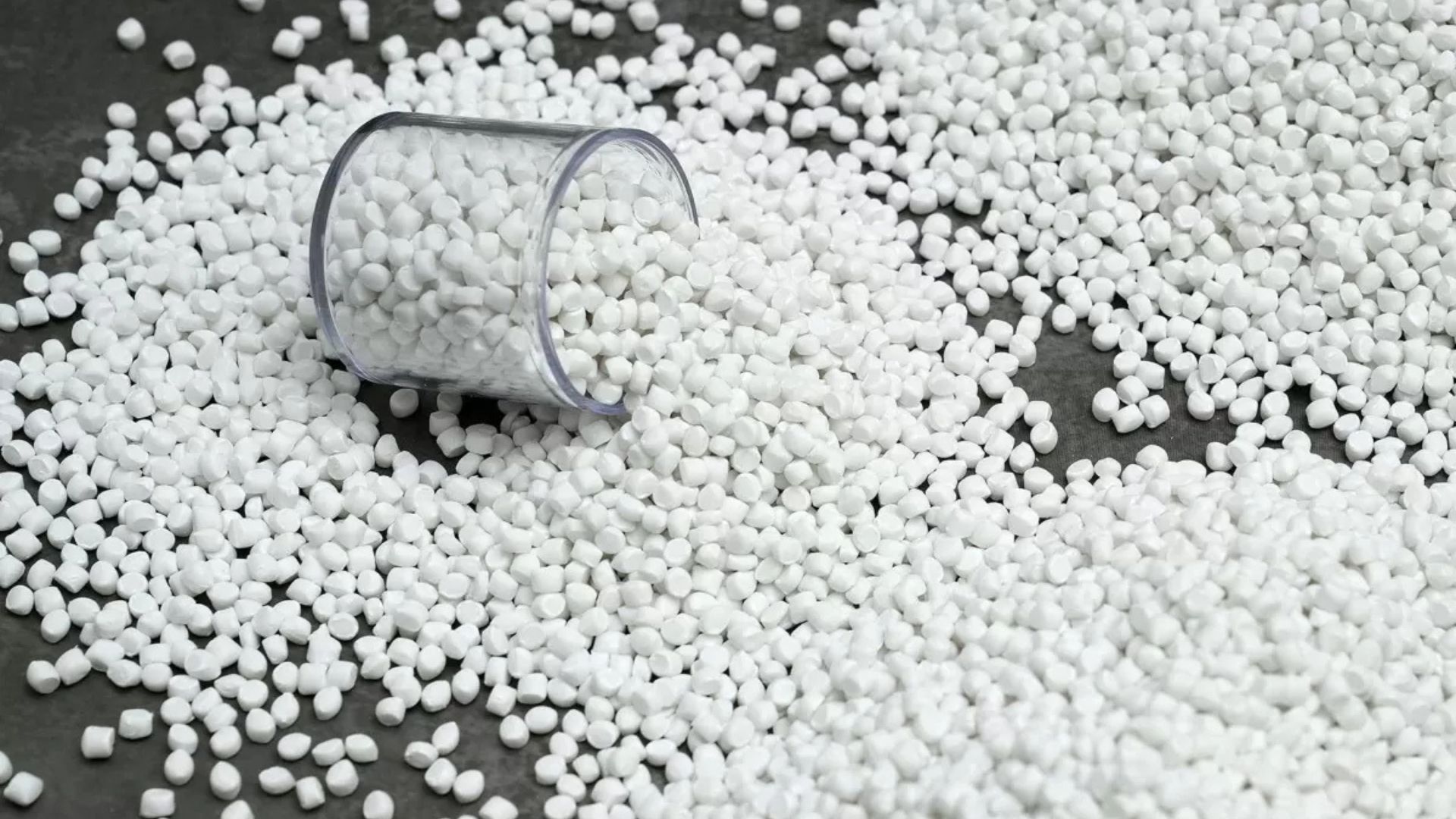
Filler masterbatch in non-woven fabric has become a key solution for optimizing cost, ensuring consistent quality, and improving production efficiency in modern manufacturing. Explore more insights and practical applications in the latest blog from CVN PLASTICS to stay ahead in the industry.
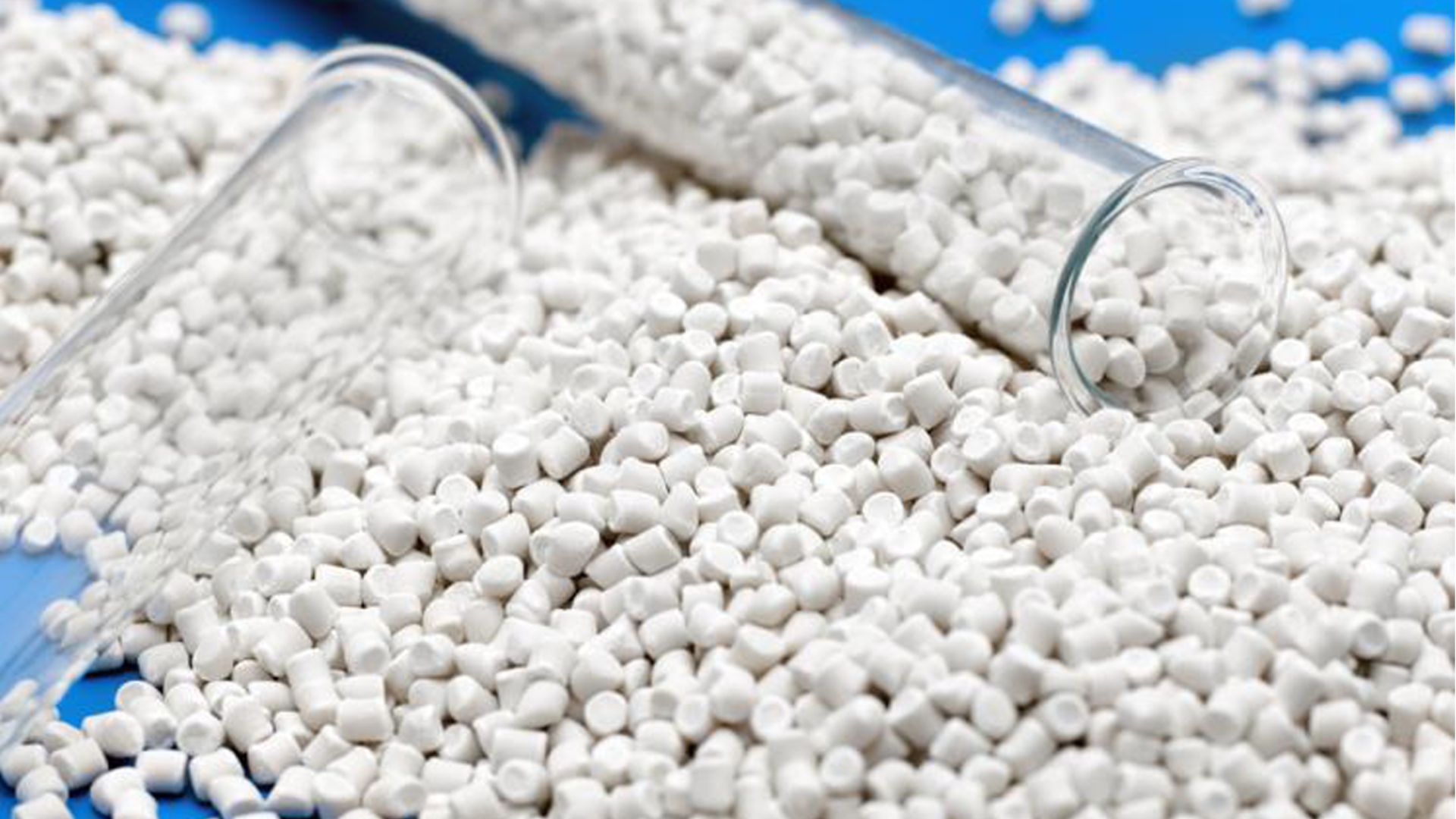
Understanding Filler Masterbatch In Non-Woven Manufacturing
Filler masterbatch has become a solution in modern non-woven manufacturing, particularly as producers seek to balance cost efficiency with consistent product performance. In technical terms, filler masterbatch is a compound material consisting primarily of calcium carbonate (CaCO₃) dispersed within a polymer carrier resin, typically polypropylene (PP), which is the dominant polymer used in non-woven fabric production. The formulation may also include processing aids and dispersing agents to ensure uniform distribution during extrusion.
In non-woven processes such as spunbond and meltblown, material behavior during extrusion, fiber formation, and bonding stages directly determines the final fabric properties. The incorporation of filler masterbatch modifies the rheological characteristics of the polymer melt, enabling better control over fiber formation and web structure. When properly formulated, filler masterbatch integrates seamlessly into the production line without disrupting process stability, which is a critical requirement in high-speed industrial operations.
Why Manufacturers Use Filler Masterbatch In Non-Woven Fabric
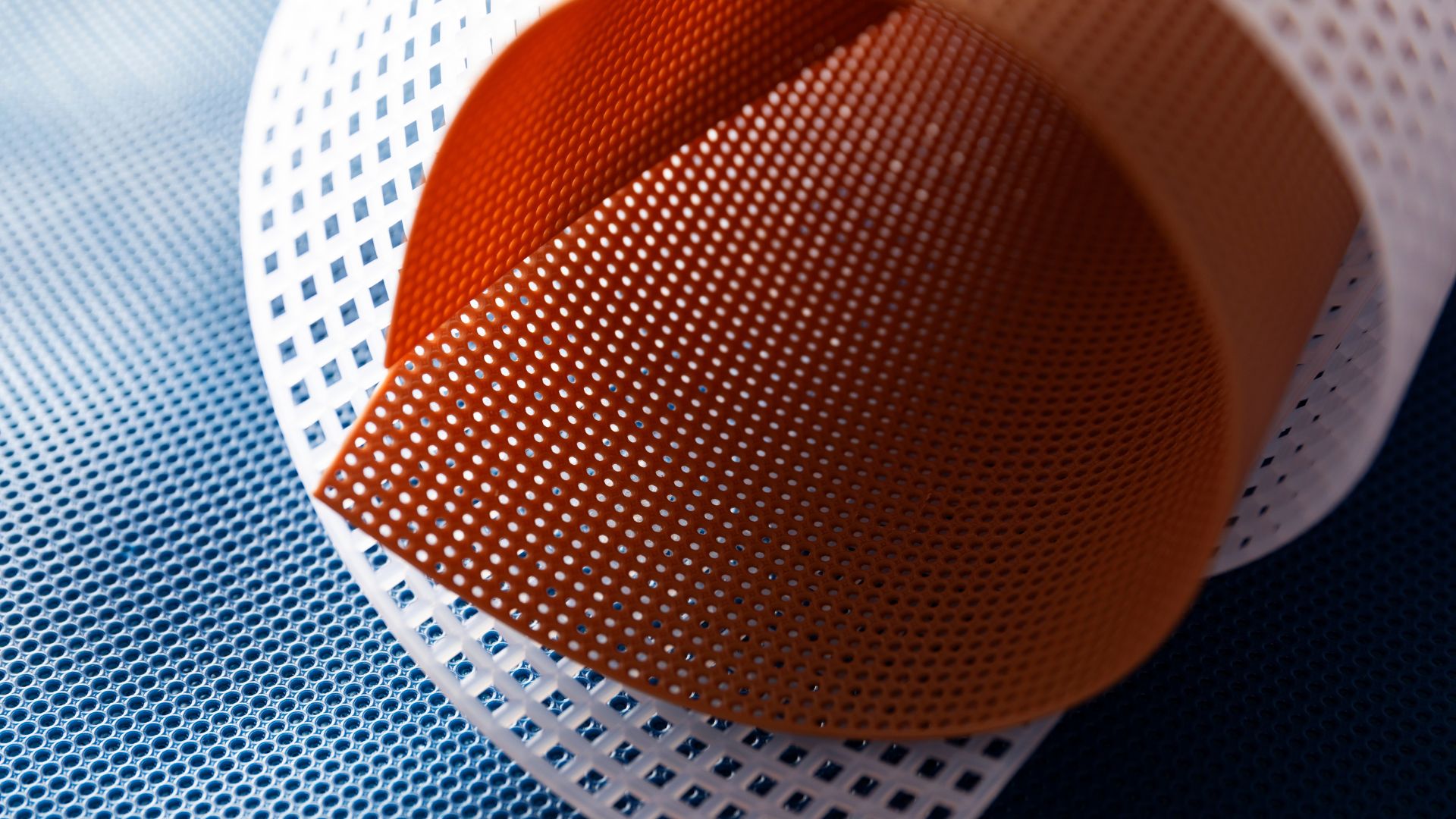
The adoption of filler masterbatch in non-woven manufacturing is driven by a combination of economic and technical considerations. Manufacturers operate in a highly competitive environment where margins are often constrained, and raw material costs represent a significant portion of total production expenses.
Lower raw material costs
One of the most immediate and measurable benefits of filler masterbatch is its ability to reduce raw material costs. By partially replacing virgin polymer with calcium carbonate, manufacturers can significantly lower material expenses without proportionally compromising performance. Calcium carbonate is widely available and substantially more cost-effective than polymer resins, making it an attractive option for large-scale production.
However, cost reduction is not merely a matter of substitution. The effectiveness of filler masterbatch depends on its dispersion quality, particle size distribution, and compatibility with the base polymer. Poorly formulated masterbatch can lead to defects such as uneven fiber distribution, weak bonding, or reduced mechanical strength. Therefore, achieving cost efficiency requires a careful balance between filler loading levels and product performance specifications.
From a process perspective, an optimized filler masterbatch can also contribute to higher throughput. Improved thermal conductivity and controlled viscosity can enhance heat transfer and reduce energy consumption during extrusion. These indirect savings further reinforce the economic value of incorporating filler masterbatch into non-woven production systems.
Enhanced mechanical properties
Filler masterbatch contributes to improving key mechanical properties such as tensile strength, stiffness, and tear resistance. The uniform dispersion of calcium carbonate within the polymer matrix reinforces the structure of non-woven fabrics, helping them maintain durability across various applications. This is particularly important in products that require both lightweight characteristics and structural integrity, such as hygiene and packaging materials.
Reduced production costs
One of the most significant advantages of filler masterbatch lies in its ability to reduce raw material costs. By partially replacing virgin polymers like polypropylene or polyethylene with mineral fillers, manufacturers can optimize material consumption without compromising product quality. When properly formulated, filler masterbatch ensures stable processing and consistent output, allowing cost savings to be achieved at scale.
Improved surface characteristics
Non-woven fabrics produced with filler masterbatch typically exhibit smoother surfaces, more uniform color distribution, and enhanced printability. These surface improvements are critical for applications that require visual consistency or additional processing, such as printing and lamination. A refined surface structure also contributes to better product perception in end-use markets.
Increased sustainability
Sustainability has become a key consideration in the non-woven industry, and filler masterbatch supports this shift by reducing the reliance on virgin plastic materials. Lower polymer consumption translates into a reduced environmental footprint while maintaining functional performance. This makes filler masterbatch a practical solution for manufacturers aiming to align production with evolving environmental standards without sacrificing efficiency.
Key Application Of Filler Masterbatch In Non-Woven Fabric
The versatility of filler masterbatch has led to its widespread adoption across multiple segments of the non-woven industry. Each application area presents distinct performance requirements, and the role of filler masterbatch varies accordingly.
In hygiene products such as diapers, sanitary napkins, and adult incontinence products, non-woven fabrics must deliver softness, breathability, and barrier performance. Filler masterbatch is used to optimize opacity and reduce material costs while maintaining the structural integrity of the fabric. The challenge in this segment lies in achieving a balance between filler loading and softness, as excessive filler content can negatively impact tactile properties.
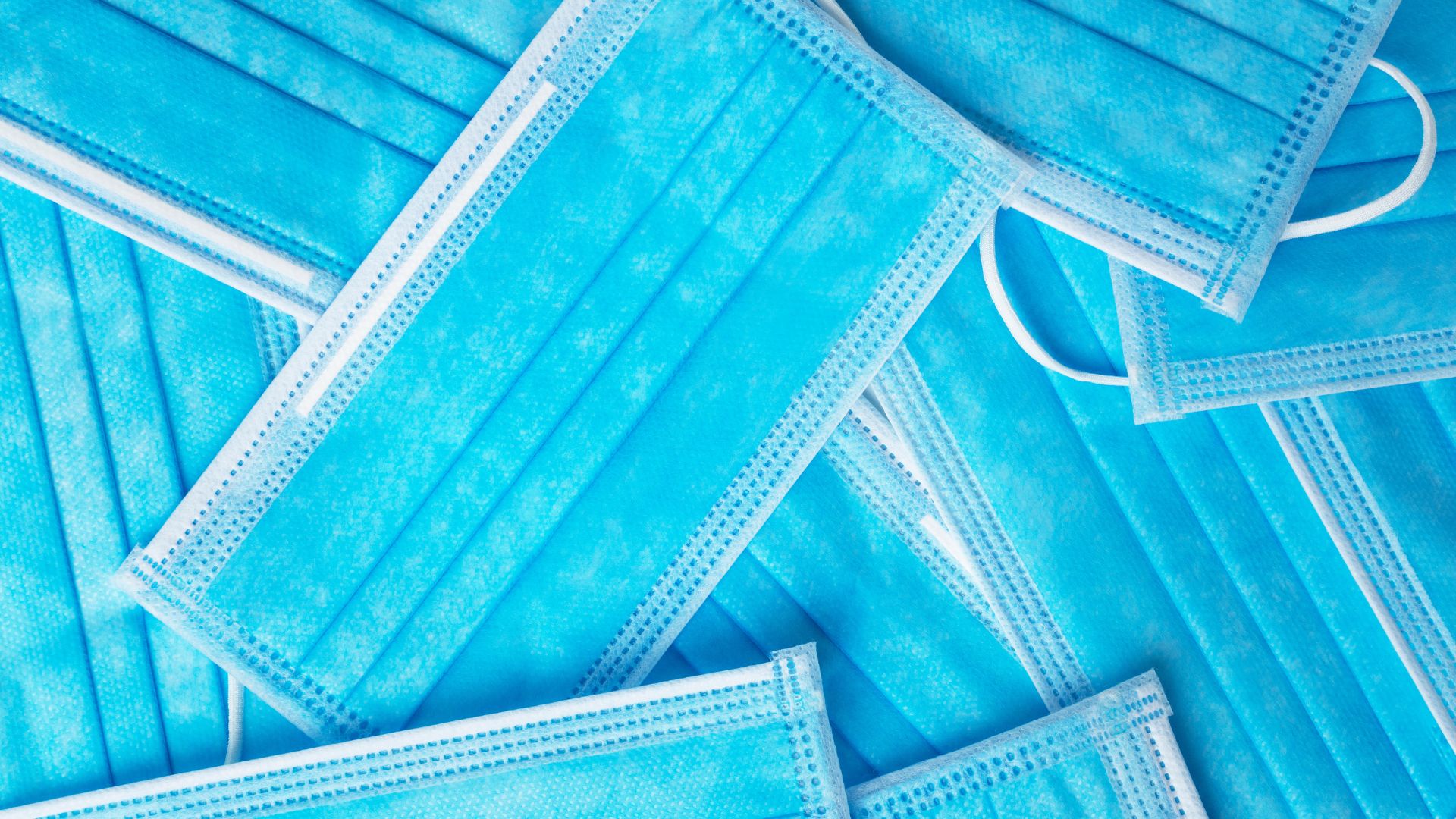
In medical applications, including surgical gowns, masks, and drapes, non-woven fabrics must meet stringent standards for cleanliness, strength, and barrier protection. Here, filler masterbatch is used more conservatively, with a strong emphasis on quality and consistency. The formulation must ensure that no contamination is introduced and that the fabric maintains its protective performance under various conditions.
Packaging is another significant application area where filler masterbatch provides clear advantages. Non-woven materials used in packaging require adequate strength, stiffness, and visual appeal. Filler masterbatch enhances opacity and printability while reducing overall material costs. In industrial packaging, where large volumes are produced, these benefits translate into substantial economic gains.
In agricultural and geotextile applications, non-woven fabrics are used for functions such as soil stabilization, filtration, and crop protection. In these contexts, durability and cost efficiency are primary considerations. Filler masterbatch contributes to material optimization by reducing polymer usage while maintaining the necessary mechanical properties for long-term performance in outdoor environments.
Factors To Consider When Selecting Filler Masterbatch
Selecting the appropriate filler masterbatch is a critical decision that directly impacts both process efficiency and product performance. Manufacturers must evaluate several technical parameters to ensure compatibility with their production systems and end-use requirements.
The choice of carrier resin is fundamental. Since polypropylene is the primary polymer used in non-woven manufacturing, the filler masterbatch should ideally use a PP-based carrier to ensure compatibility and uniform dispersion. Mismatched carrier resins can lead to phase separation and processing difficulties, ultimately affecting fabric quality.
Calcium carbonate characteristics, including particle size, shape, and surface treatment, also play a crucial role. Fine, well-coated particles tend to disperse more evenly within the polymer matrix, resulting in smoother processing and better mechanical properties. Surface treatment improves the interaction between the filler and the polymer, reducing agglomeration and enhancing overall performance.
Loading levels must be carefully controlled based on the intended application. Higher filler content increases cost savings but may compromise strength, elongation, and softness. Therefore, manufacturers must determine the optimal balance through testing and process optimization. This often involves close collaboration with material suppliers to develop customized formulations.
Processing conditions are another important consideration. The filler masterbatch must be compatible with existing equipment and operating parameters. Factors such as melt flow index, thermal stability, and dispersion behavior must align with the production process to avoid disruptions and maintain efficiency.
Finally, regulatory and environmental considerations are becoming increasingly important. In applications such as medical and hygiene products, compliance with safety standards is mandatory. Additionally, there is growing interest in sustainable materials and reduced environmental impact. Filler masterbatch can contribute to sustainability by reducing polymer consumption and enabling more efficient resource utilization, but it must be evaluated within the broader context of product lifecycle and recyclability.
Future Trends Of Filler Masterbatch In Non-Woven Fabric
The future of filler masterbatch in non-woven manufacturing is closely linked to broader industry trends, including sustainability, technological advancement, and evolving market demands. As environmental concerns continue to shape material selection and production practices, filler masterbatch is expected to play a more strategic role in achieving sustainability goals.
One notable trend is the development of high-performance filler masterbatch with improved dispersion and compatibility. Advances in material science are enabling the production of ultra-fine calcium carbonate particles with enhanced surface treatments, resulting in better integration with polymer matrices. These innovations allow for higher filler loading without compromising mechanical properties, thereby increasing cost efficiency and reducing environmental impact.
Another emerging trend is the integration of functional additives into filler masterbatch formulations. These may include antimicrobial agents, UV stabilizers, or flame retardants, depending on the application. By combining multiple functionalities into a single masterbatch, manufacturers can simplify their production processes and achieve more consistent results.
Digitalization and process optimization are also influencing the use of filler masterbatch. Advanced monitoring and control systems enable manufacturers to fine-tune processing parameters in real time, ensuring optimal dispersion and performance. This level of precision supports higher production efficiency and reduces material waste.
Sustainability remains a central focus, with increasing emphasis on circular economy principles. There is growing interest in developing filler masterbatch solutions that are compatible with recycled polymers or bio-based materials. This approach aligns with global efforts to reduce plastic waste and promote more sustainable production practices.
Conclusion
Filler masterbatch plays a pivotal role in the non-woven fabric industry, offering numerous advantages from cost savings to enhanced product performance. As the demand for non-woven fabrics continues to grow, so does the importance of efficient, sustainable solutions like filler masterbatch. By understanding its benefits, applications, and industry trends, manufacturers can make informed decisions to stay competitive in the ever-evolving market.