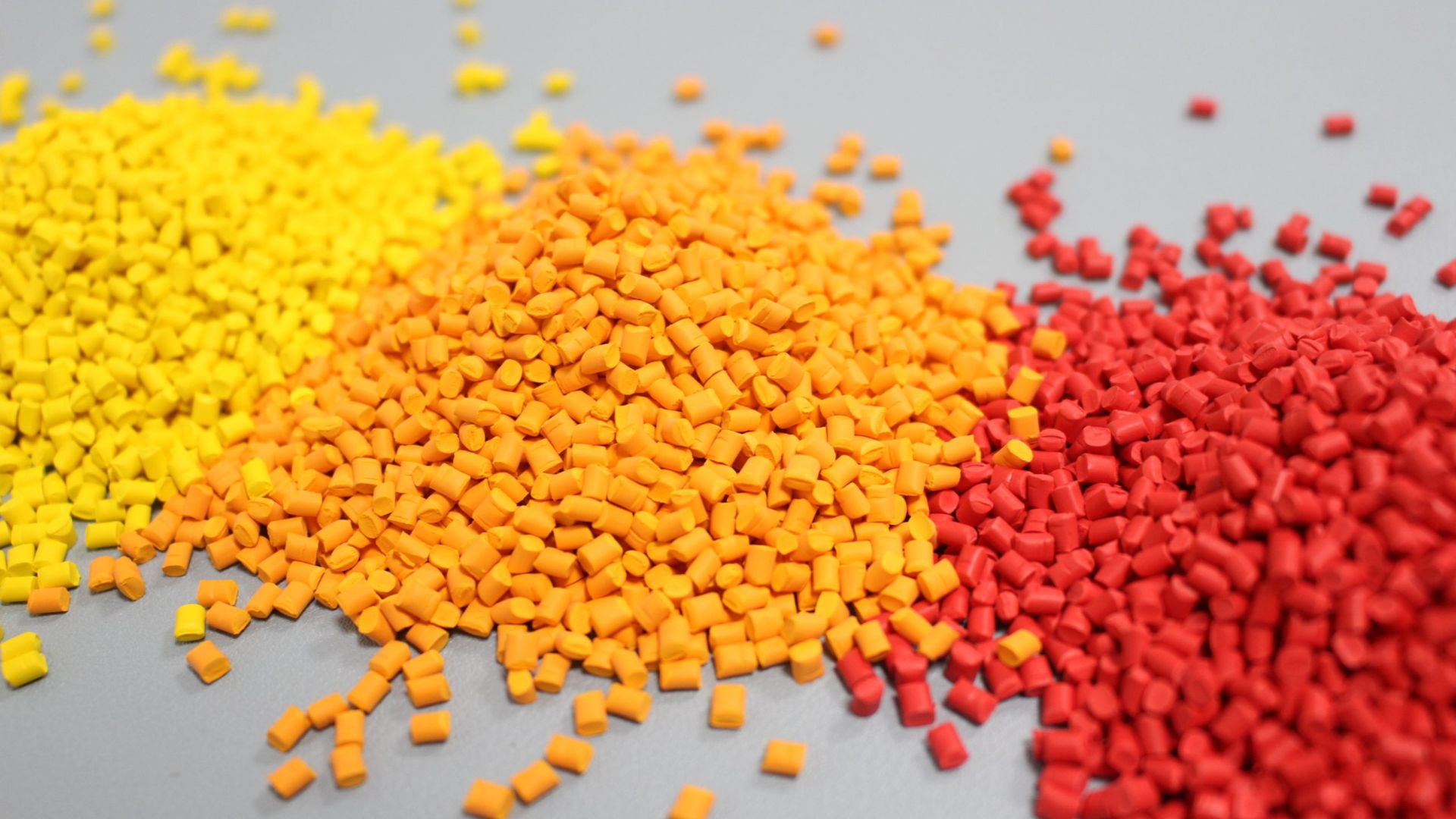
In the plastics manufacturing sector, coloration plays a critical role beyond visual enhancement. It contributes to product differentiation, supports brand identity, and ensures consistency across large-scale production. Among available coloring methods, color masterbatch has become a widely adopted solution due to its ability to deliver stable, uniform, and durable coloration while maintaining the integrity of the base material. This article by CVN PLASTICS provides a structured and technical overview of color masterbatch, its composition, advantages, and key considerations in industrial applications.
What Is Color Masterbatch?
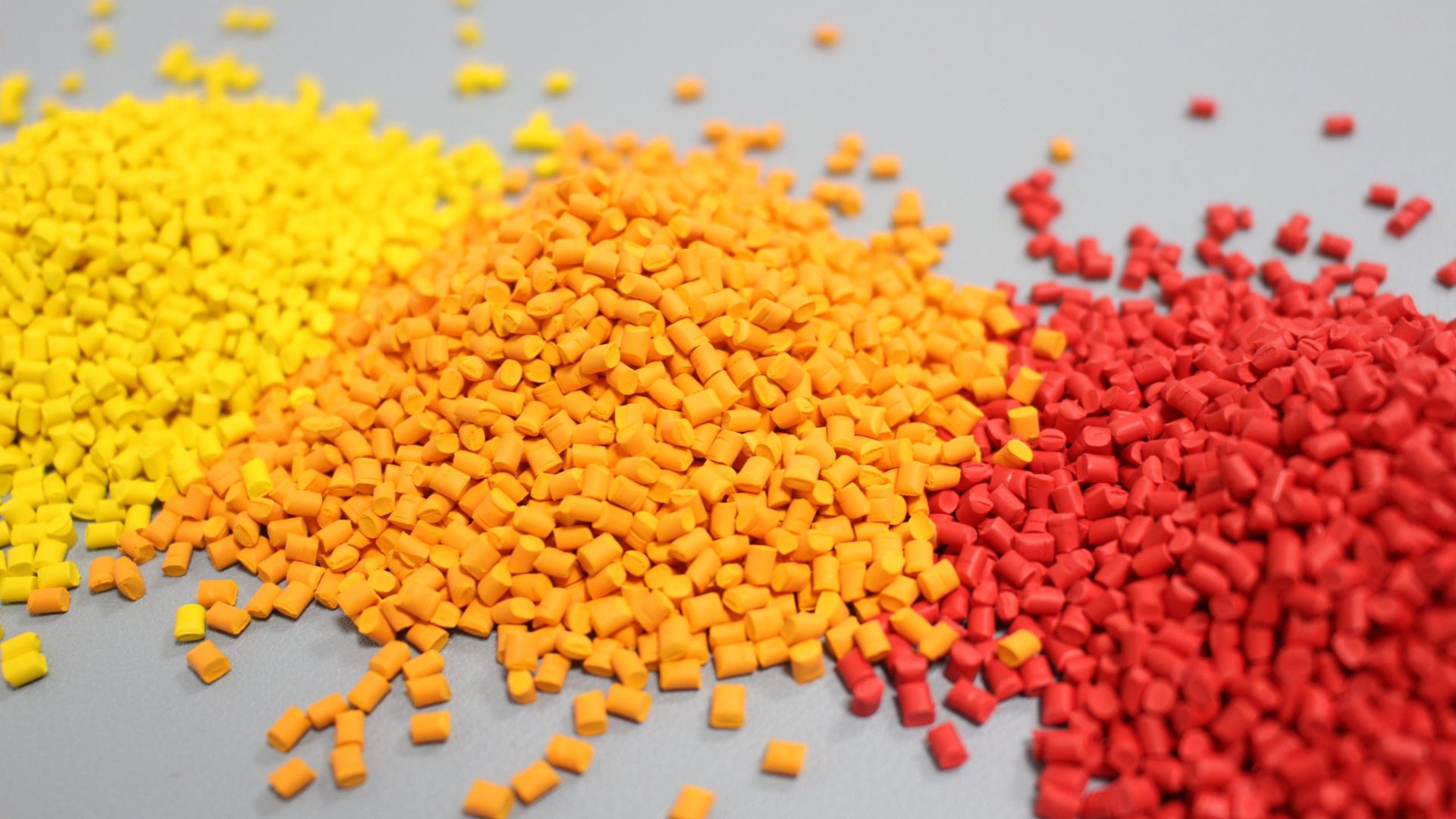
Color masterbatch is a concentrated blend of pigments or dyes dispersed in a carrier resin, which is subsequently incorporated into a base polymer during processing. It is engineered to ensure homogeneous color distribution throughout the final plastic product.
The formulation of color masterbatch allows pigments to be uniformly dispersed within a compatible polymer matrix. This design minimizes issues such as agglomeration and uneven coloration that are often associated with direct pigment addition.
During manufacturing processes such as extrusion, injection molding, or blow molding, the masterbatch is mixed with natural polymer resin. The carrier resin melts and releases the pigment evenly, resulting in consistent coloration across the product.
Main Components Of Color Masterbatch
The performance and quality of color masterbatch depend on the interaction of its primary components.
Pigments
Pigments are responsible for imparting color and can be either organic or inorganic. Their selection is based on criteria such as color intensity, thermal stability, resistance to light exposure, and compatibility with the intended application. High-quality pigments ensure long-term color retention and resistance to environmental degradation.
Carrier resin
The carrier resin functions as the medium for pigment dispersion. It must be compatible with the base polymer to ensure proper mixing and to avoid negatively affecting the mechanical or chemical properties of the final product. Common carrier resins include polyethylene, polypropylene, polyvinyl chloride, and acrylonitrile butadiene styrene.
Additives
Additives are incorporated to enhance specific properties such as ultraviolet resistance, thermal stability, anti-static behavior, and surface appearance. These components improve both processing performance and end-use characteristics.
Advantages Of Color Masterbatch
Compared to conventional coloring approaches, such as direct pigment addition, color masterbatch offers several technical advantages.
Uniform color distribution
The pre-dispersed nature of pigments in masterbatch ensures consistent color throughout the product, reducing the risk of streaking or uneven appearance.
Improved processing efficiency
Color masterbatch simplifies the production process by eliminating the need for on-site pigment mixing, thereby reducing preparation time and minimizing handling complexity.
Enhanced color durability
Products colored with masterbatch exhibit improved resistance to ultraviolet radiation, heat, and environmental exposure, resulting in longer-lasting color stability.
Recyclability and process cleanliness
The use of masterbatch reduces dust contamination and material loss associated with powdered pigments, contributing to cleaner production environments and facilitating recycling processes.
Applications Of Color Masterbatch In Industries
Packaging Industry
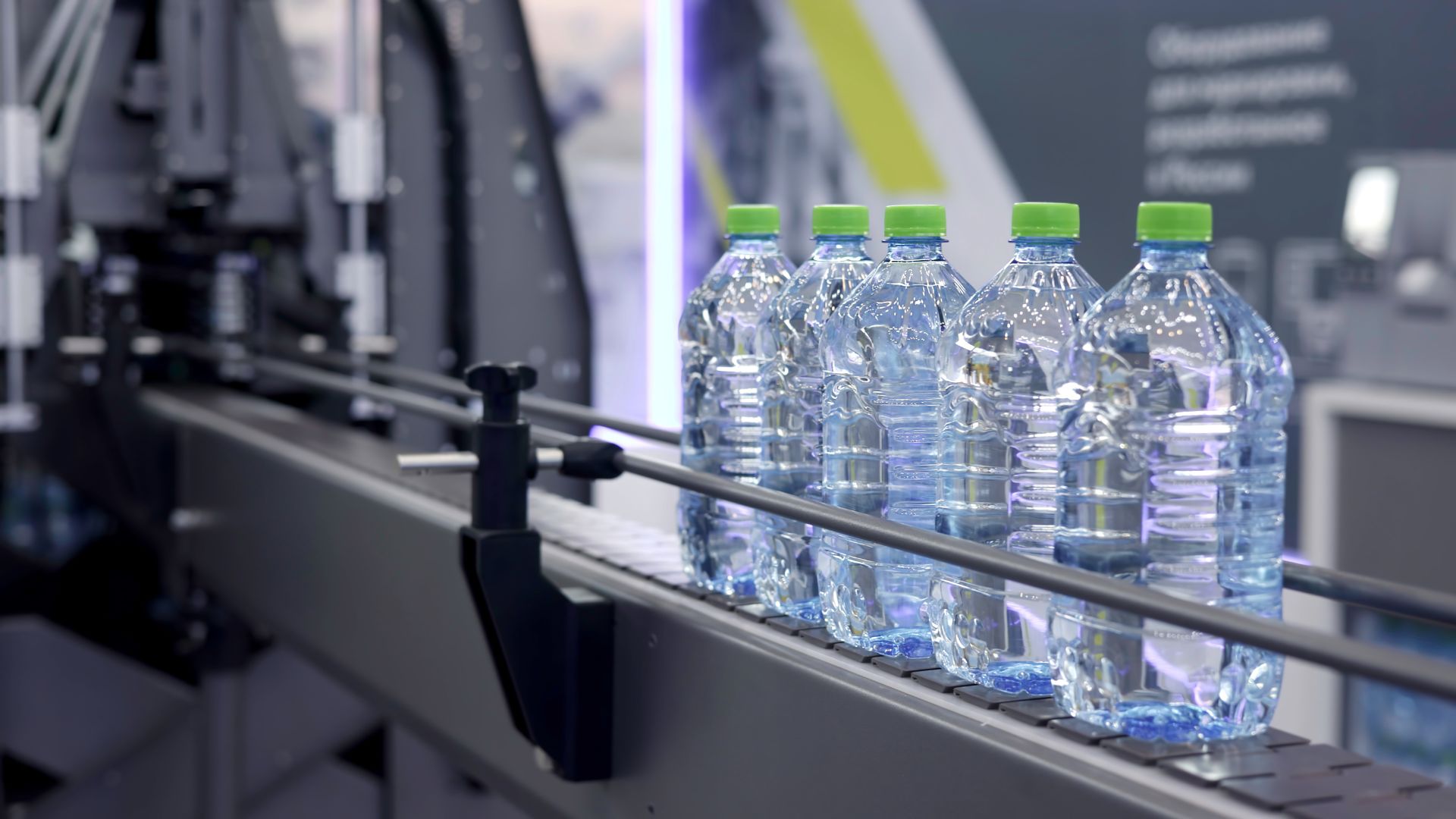
In packaging applications, color masterbatch is used to produce films, containers, and protective materials with consistent coloration and functional properties such as UV resistance.
Automotive Industry
Automotive components require materials with high durability and stable appearance. Color masterbatch enables the production of interior and exterior plastic parts that maintain color integrity under varying environmental conditions.
Textile and Non-Woven Fabrics
In fiber and non-woven fabric production, masterbatch ensures uniform coloration while maintaining the mechanical strength and flexibility required for industrial and medical applications.
Consumer Goods and Household Products
Household items, including containers, furniture, and appliances, benefit from the aesthetic consistency and durability provided by color masterbatch.
Key Factors To Consider When Choosing Color Masterbatch
Selecting an appropriate color masterbatch is essential for achieving optimal processing performance and product quality.
Compatibility with base resin
The masterbatch must be compatible with the base polymer to ensure proper dispersion and to avoid defects in the final product. Technical data provided by suppliers should be carefully evaluated to confirm suitability.
Color consistency and dispersion
Consistent coloration depends on factors such as pigment particle size, dispersion quality, and concentration. Poor dispersion can result in visible defects and reduced product quality.
Weather resistance
For applications exposed to sunlight or outdoor conditions, the resistance of pigments to fading and environmental degradation is a critical consideration.
Migration resistance
Migration refers to the movement of colorants or additives from the plastic matrix to the surface or surrounding materials. This is particularly important in applications involving food contact, medical products, or consumer goods, where safety and regulatory compliance are required.
Stability of physical properties
The masterbatch should not negatively affect the mechanical strength, processing behavior, or durability of the base material. Uniform particle size and stable composition contribute to consistent processing performance.
Applications In Manufacturing Processes
Color masterbatch is adaptable to a wide range of plastic processing technologies.
Film and Packaging Production
It is widely used in the production of plastic films and packaging materials, where uniform appearance and functional performance are required.
Injection and Extrusion Molding
Masterbatch is applied in the manufacturing of complex plastic components, ensuring consistent coloration in both simple and intricate geometries.
Blow Molding Applications
Processes such as bag and bottle blowing utilize color masterbatch to produce products with uniform color distribution and structural integrity.
Non-Woven Fabric Production
In non-woven applications, color masterbatch supports consistent fiber coloration while maintaining process efficiency and product performance.
Conclusion
Color masterbatch has become an essential component in modern plastics manufacturing due to its ability to provide consistent coloration, improve processing efficiency, and enhance product durability. Its well-engineered composition ensures compatibility with various polymers while maintaining the desired physical and chemical properties of the final product. As industry requirements continue to evolve, color masterbatch remains a reliable and effective solution for achieving both functional and aesthetic objectives in plastic production.