CaCO₃ filler masterbatch is widely used in plastic manufacturing to optimize material costs, modify physical properties, and improve processing performance across a broad range of applications. However, its performance depends on more than the percentage of calcium carbonate in the formulation. The quality of CaCO₃, carrier resin, dispersion, moisture control, and compatibility with the final application all influence production stability and finished-product quality. Read this guide from CVN PLASTICS to understand how CaCO₃ filler masterbatch works, how it is produced, where it is used, and what manufacturers should consider when selecting the right grade.
What Is CaCO₃ Filler Masterbatch?
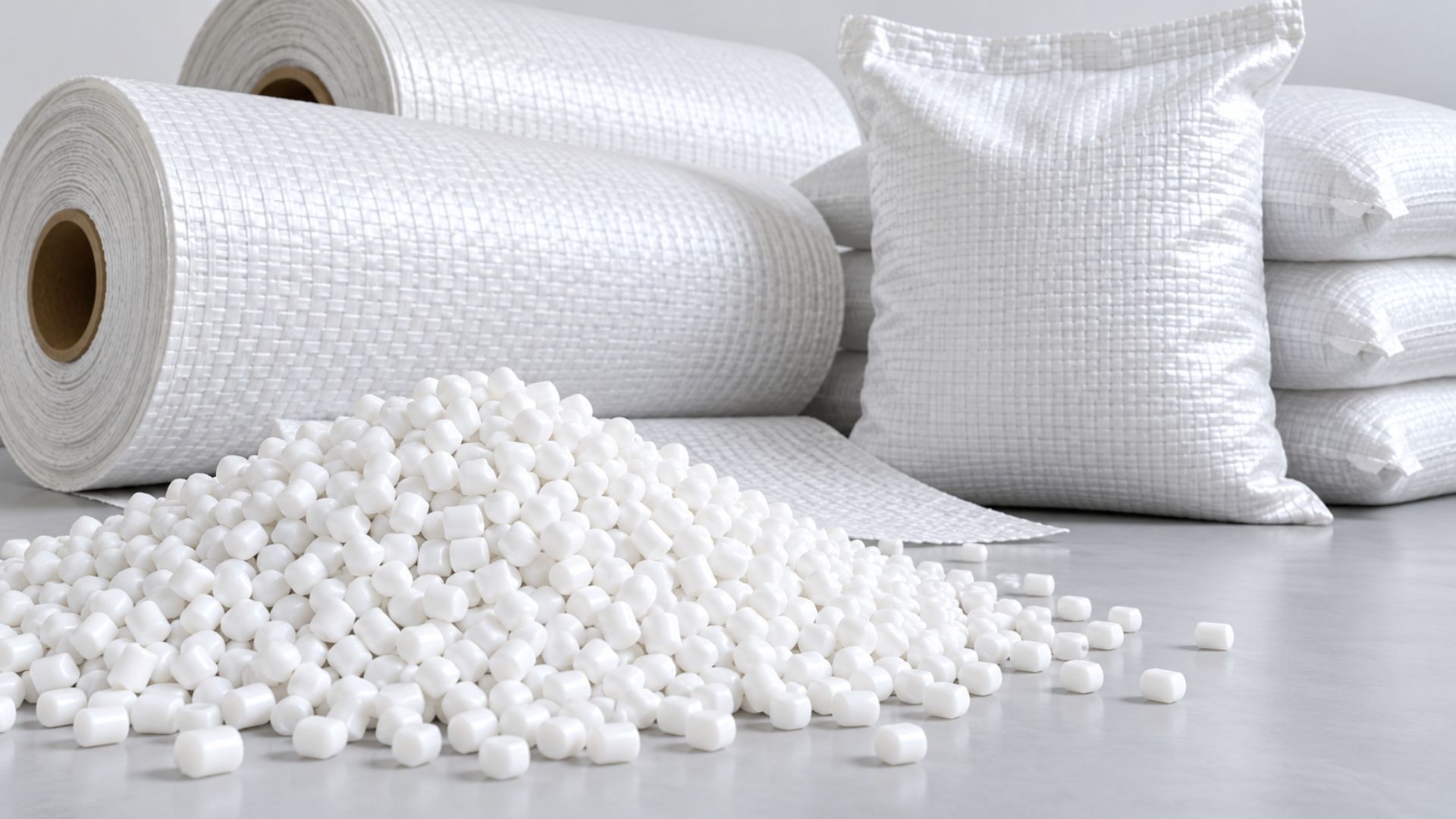
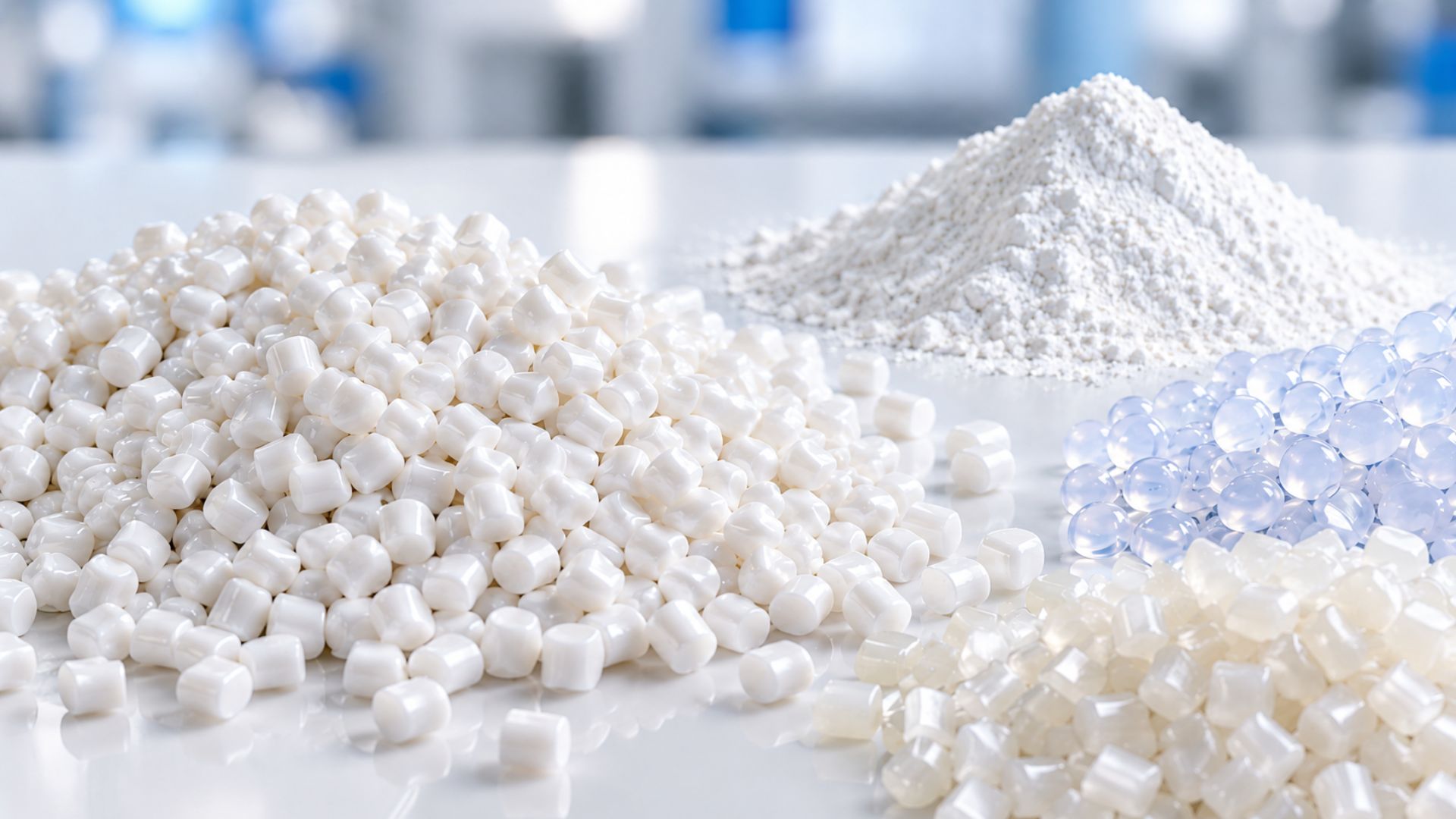
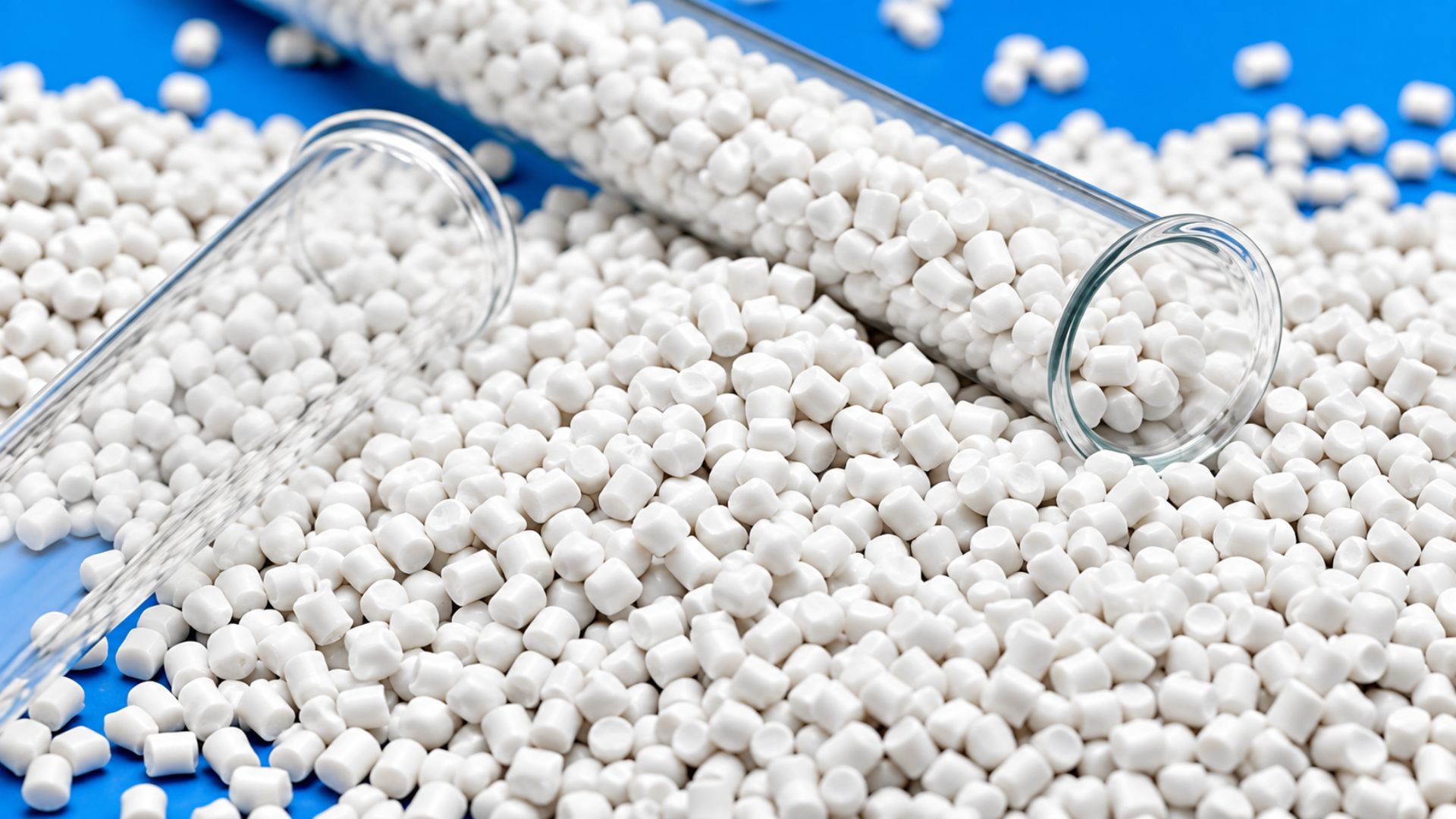
CaCO₃ filler masterbatch is a concentrated compound primarily made from calcium carbonate powder dispersed in a polymer carrier, typically polypropylene or polyethylene. It is supplied in pellet form and blended with the main polymer during plastic processing. Depending on the formulation and final application, the material can help manufacturers reduce virgin resin consumption while adjusting properties such as stiffness, opacity, dimensional stability, and processing behavior.

Unlike color masterbatch, which is mainly used to introduce pigments, or additive masterbatch, which provides specific functional properties, CaCO₃ filler masterbatch is primarily designed to introduce mineral filler into a polymer system in a controlled and processable form. The correct grade must therefore be selected according to the polymer, processing method, final product requirements, and intended filler loading.
Main Components Of CaCO₃ Filler Masterbatch
The main component is finely processed calcium carbonate, which generally represents the largest proportion of the formulation. A polymer carrier such as PP or PE allows the CaCO₃ particles to be incorporated into the customer’s resin during processing. Processing aids or surface-treatment components may also be included to improve dispersion, compatibility, flow behavior, and production stability.
Each component influences the behavior of CaCO₃ filler masterbatch during processing. Even when two products contain a similar percentage of calcium carbonate, their performance can differ significantly because of variations in CaCO₃ particle characteristics, carrier resin properties, surface treatment, formulation design, and compounding quality.
Typical CaCO₃ Content In Filler Masterbatch
The calcium carbonate concentration in commercial CaCO₃ filler masterbatch can vary depending on the application and formulation. High-quality grades commonly contain a high mineral loading, while sufficient carrier resin must remain to ensure adequate dispersion and processability. In some formulations, CaCO₃ can account for approximately 70% to 88% of the masterbatch.
A higher CaCO₃ percentage does not automatically indicate a better product. The practical performance of the filler depends on how well the mineral particles are dispersed and how the complete formulation behaves when processed. Manufacturers should therefore evaluate both composition and actual application performance instead of selecting a material based only on mineral content.
PP-Based Vs PE-Based Filler Masterbatch
PP-based CaCO₃ filler masterbatch uses polypropylene as the main carrier and is generally intended for products processed with PP or compatible polymer systems. PE-based filler uses polyethylene as the carrier and is commonly selected for PE-based applications. Using a compatible carrier helps the filler disperse more effectively in the primary resin.
The choice between PP and PE should be based on the customer’s polymer system, processing temperature, required melt flow, equipment, and end-product properties. Compatibility becomes particularly important when the filler loading is increased because poor interaction between the carrier and base resin can affect processing stability and mechanical performance.
How Is CaCO₃ Filler Masterbatch Produced?
Producing consistent CaCO₃ filler masterbatch requires controlled preparation of raw materials, accurate formulation, effective mixing, stable compounding, pelletizing, cooling, and quality inspection. Each stage can affect the dispersion and physical properties of the final material. For this reason, production control is as important as the quality of the individual raw materials.
A typical production system is designed to achieve uniform distribution of CaCO₃ throughout the polymer carrier while controlling moisture, temperature, shear, and melt behavior. Stable operating parameters help reduce batch-to-batch variation and improve the predictability of the filler during downstream processing.
Raw Material Preparation
Production begins with the inspection and preparation of calcium carbonate, polymer resin, and any required processing components. Moisture, particle characteristics, cleanliness, and material consistency should be checked before the materials enter the production process. Problems at this stage can continue through the entire production cycle and become difficult to correct later.
The quality of the CaCO₃ source is particularly important because calcium carbonate represents the majority of CaCO₃ filler masterbatch by weight. Stable mineral quality provides a stronger foundation for controlling whiteness, particle distribution, dispersion, and finished-product consistency.
Mixing And Formulation Control
Mixing is one of the most important stages in filler production because the CaCO₃, carrier resin, and processing components must be distributed uniformly before compounding. Accurate dosing and appropriate mixing conditions help prevent local concentration differences that may later result in unstable extrusion or poor dispersion.
The mixing process must also be adapted to the formulation and targeted application. Inconsistent mixing can cause variation in melt behavior, appearance, mechanical properties, and production stability even when the same raw materials are used. For high-loading CaCO₃ filler masterbatch, precise formulation and mixing control become particularly important.
Extrusion And Compounding
After mixing, the formulation enters the extrusion and compounding stage. Heat and mechanical shear soften the polymer carrier and distribute the CaCO₃ particles throughout the molten polymer system. Temperature, screw speed, residence time, and shear conditions must be controlled to produce a stable and homogeneous compound.
Effective compounding contributes directly to dispersion quality. Poorly dispersed particles or agglomerates can later affect the surface of plastic products, reduce mechanical consistency, create processing problems, or cause defects in applications with fine structures such as film and non-woven production.
Pelletizing And Cooling
Once compounding is complete, the molten material is converted into pellets and cooled to obtain a stable physical form suitable for transportation and dosing. Pellet dimensions should remain reasonably consistent because irregular pellets can affect feeding behavior and mixing accuracy at the customer’s production line.
Cooling conditions must also be controlled to avoid excess residual moisture and unwanted deformation. A stable pellet form allows CaCO₃ filler masterbatch to be mixed more evenly with virgin resin and supports consistent feeding during downstream processing.
Final Quality Inspection And Packaging
Finished material should be tested before release to confirm that key specifications meet the required standard. Common parameters include moisture, dispersion, particle characteristics, Melt Flow Index, appearance, and other application-specific indicators. Testing frequency and control procedures are important for identifying production variation before the material reaches the customer.
After approval, CaCO₃ filler masterbatch is typically packed in moisture-resistant bags suitable for storage and transportation. Correct packaging helps prevent contamination and moisture absorption, both of which can influence processing behavior when the material is later used.
Why Does CaCO₃ Quality Matter In Filler Masterbatch?
Because calcium carbonate represents such a large proportion of the formulation, its properties have a significant influence on CaCO₃ filler masterbatch performance. Two fillers with similar CaCO₃ percentages can behave differently if they use mineral sources with different particle size distributions, whiteness, moisture levels, purity, or surface characteristics.

Stable CaCO₃ quality also supports more predictable formulation and production control. When mineral properties vary significantly between batches, manufacturers may experience changes in extrusion conditions, appearance, dispersion, mechanical properties, and filler loading capability.
Whiteness And Visual Appearance
CaCO₃ whiteness can influence the visual appearance of both the masterbatch and the final plastic product. High-whiteness calcium carbonate is especially relevant for products where clean appearance, brightness, or color consistency is important. However, the final appearance also depends on the polymer, pigment system, processing conditions, and filler loading.
Manufacturers producing visually demanding products should therefore evaluate both the mineral specification and actual application results. A consistent source of CaCO₃ helps reduce unnecessary variation in product appearance between production batches.
Particle Size And Fineness
Particle size is a critical technical characteristic because it affects dispersion, surface quality, processing behavior, and interaction with the polymer matrix. Fine particles with a controlled particle size distribution can generally be dispersed more effectively when the compounding process is properly designed.
Extremely fine CaCO₃ is not automatically suitable for every application. Surface area, agglomeration tendency, processing conditions, and the customer’s equipment must also be considered. The objective is to select CaCO₃ filler masterbatch with particle characteristics appropriate for the intended manufacturing process.
Dispersion And Processing Stability
Good dispersion means that CaCO₃ particles are distributed evenly throughout the polymer rather than remaining in large agglomerates. This is important for maintaining consistent melt behavior, surface appearance, and mechanical properties. Poor dispersion can become increasingly visible as the filler loading increases.
In thin-film, fiber, and non-woven applications, dispersion is particularly important because larger agglomerates may interfere with processing or create localized defects. Application testing is therefore useful when evaluating CaCO₃ filler masterbatch for technically demanding production conditions.
Moisture Control
Excess moisture can negatively affect extrusion stability, surface quality, and processing consistency. Moisture may generate bubbles, voids, irregular surfaces, or other defects depending on the polymer system and production conditions. Proper raw material handling, production control, storage, and packaging are therefore necessary.
The acceptable moisture level varies by product and application, so it should be evaluated together with processing requirements. Manufacturers operating high-speed or sensitive production lines may require stricter moisture control to maintain stable output.
Batch-To-Batch Consistency
Industrial manufacturers generally require materials that behave predictably from one shipment to another. Variations in CaCO₃ source, resin characteristics, formulation, mixing, or extrusion conditions can produce differences between batches even when the product name remains unchanged.
Consistent CaCO₃ filler masterbatch allows processors to maintain more stable operating parameters and reduces the need for repeated machine adjustments. Batch consistency is therefore an important consideration alongside price and individual technical specifications.
Major Benefits Of CaCO₃ Filler Masterbatch
The main reason manufacturers use CaCO₃ filler masterbatch is to modify the economics and performance of a polymer formulation. However, the benefits depend strongly on the application, filler loading, material quality, and production settings. An appropriate grade can provide both cost and technical advantages, while excessive or unsuitable loading may reduce product performance.
For this reason, the effect of filler should always be evaluated as part of the complete formulation. Processors need to consider the relationship between filler loading, virgin resin consumption, productivity, mechanical requirements, and final product specifications.
Raw Material Cost Optimization
Calcium carbonate generally has a lower material cost than many virgin polymer resins. Replacing part of the resin with CaCO₃ filler masterbatch can therefore reduce the average raw material cost per kilogram of finished product, provided that product specifications remain acceptable.
The optimal loading is application-specific. Manufacturers should consider not only the purchase price of filler but also processing efficiency, reject rates, mechanical properties, machine stability, and final product quality when calculating the true economic benefit.
Improved Stiffness And Dimensional Stability
Calcium carbonate can increase stiffness in many polymer systems, which may be beneficial for products requiring greater rigidity or dimensional control. Mineral filler can also influence shrinkage behavior and help certain molded or extruded products maintain their intended dimensions.
These effects vary according to particle characteristics, filler concentration, polymer type, and processing method. Manufacturers should verify the required balance between stiffness and other properties such as impact resistance, flexibility, and tensile performance.
Better Whiteness And Opacity
High-quality CaCO₃ can contribute to opacity and visual whiteness in certain plastic applications. This can be useful in products where light transmission or visual coverage needs to be controlled. The actual result depends on mineral whiteness, particle distribution, formulation, processing conditions, and any additional pigments.
CaCO₃ filler masterbatch should therefore not be treated as a direct replacement for white color masterbatch. The two products perform different functions, although calcium carbonate can influence the visual characteristics of the finished plastic.
Improved Processing Efficiency
In some applications, an appropriate filler formulation can support stable processing, improve cooling behavior, or allow manufacturers to adjust production parameters. These effects can contribute to productivity when the filler grade is correctly matched with the equipment and polymer system.
The result is highly application-dependent. Process trials remain important because changes in filler loading can influence melt viscosity, temperature requirements, output rate, and other production parameters.
Reduced Dependence On Virgin Resin
Using CaCO₃ filler masterbatch allows manufacturers to replace part of the virgin polymer content with mineral filler. This reduces the amount of primary resin required for each unit of finished product and can help reduce exposure to fluctuations in virgin polymer prices.
However, filler should not simply be added at the highest possible percentage. The loading level must remain compatible with the mechanical, visual, and processing requirements of the final product.
What Is The Difference Between PP And PE CaCO₃ Filler Masterbatch?
The main difference between PP-based and PE-based CaCO₃ filler masterbatch is the polymer used as the carrier. Carrier selection influences compatibility, melt behavior, dispersion, and the applications in which the filler can be used effectively.
The correct choice is usually determined by the customer’s primary resin and manufacturing process. Matching the carrier with the polymer system helps improve mixing and reduces the risk of incompatibility during extrusion, molding, or fiber production.
Differences In Carrier Resin
PP-based filler uses polypropylene or a compatible PP system as the carrier, while PE-based filler typically uses polyethylene. Each polymer has different melt characteristics, processing temperatures, mechanical behavior, and compatibility with downstream resin systems.
The carrier also affects MFI and the way CaCO₃ filler masterbatch disperses during processing. Selecting the wrong carrier may lead to unstable flow or uneven distribution of mineral particles in the final product.
Processing Compatibility
PP and PE are processed under different conditions and may require different filler formulations. Temperature range, melt flow, equipment configuration, output rate, and filler loading all influence the appropriate selection.
Before commercial production, manufacturers should test the selected CaCO₃ filler masterbatch under actual machine conditions whenever possible. Laboratory specifications provide useful guidance, but they cannot reproduce every production environment.
Typical Applications
PP-based fillers are commonly used in PP-related applications such as woven products, non-woven materials, injection molding, and other polypropylene processing systems. PE-based fillers are frequently used in film, bags, extrusion, and polyethylene-based applications.
These are general application categories rather than strict rules. Product formulation and technical requirements should ultimately determine whether a specific PP or PE grade is suitable.
How To Choose Between PP-Based And PE-Based Filler
The primary consideration is compatibility with the base polymer. Manufacturers should then evaluate MFI, processing temperature, filler loading, final product requirements, machine configuration, and required physical properties.
When application conditions are demanding, technical trials are recommended before increasing filler loading. This provides a more reliable basis for selecting CaCO₃ filler masterbatch than relying only on a technical data sheet.
Main Applications Of CaCO₃ Filler Masterbatch
CaCO₃ filler masterbatch is used across many areas of plastic processing because formulations can be adjusted for different polymer systems and production methods. The required characteristics vary significantly between applications, especially in terms of particle size, dispersion, melt flow, whiteness, and filler loading.

A grade suitable for injection molding may not perform appropriately in thin film or non-woven production. Application-specific selection is therefore essential to obtain the expected economic and technical results.
Non-Woven Applications
Non-woven production requires particularly stable dispersion and processing because the polymer is converted into fine fibers under demanding operating conditions. CaCO₃ filler masterbatch used in this application must provide controlled particle characteristics, consistent flow behavior, and good compatibility with the polymer system.
Loading levels should be determined according to fabric weight, equipment, production speed, mechanical requirements, and end use. Application testing is especially useful because poor dispersion or unsuitable formulation can affect fiber formation and production stability.
Blown Film Applications
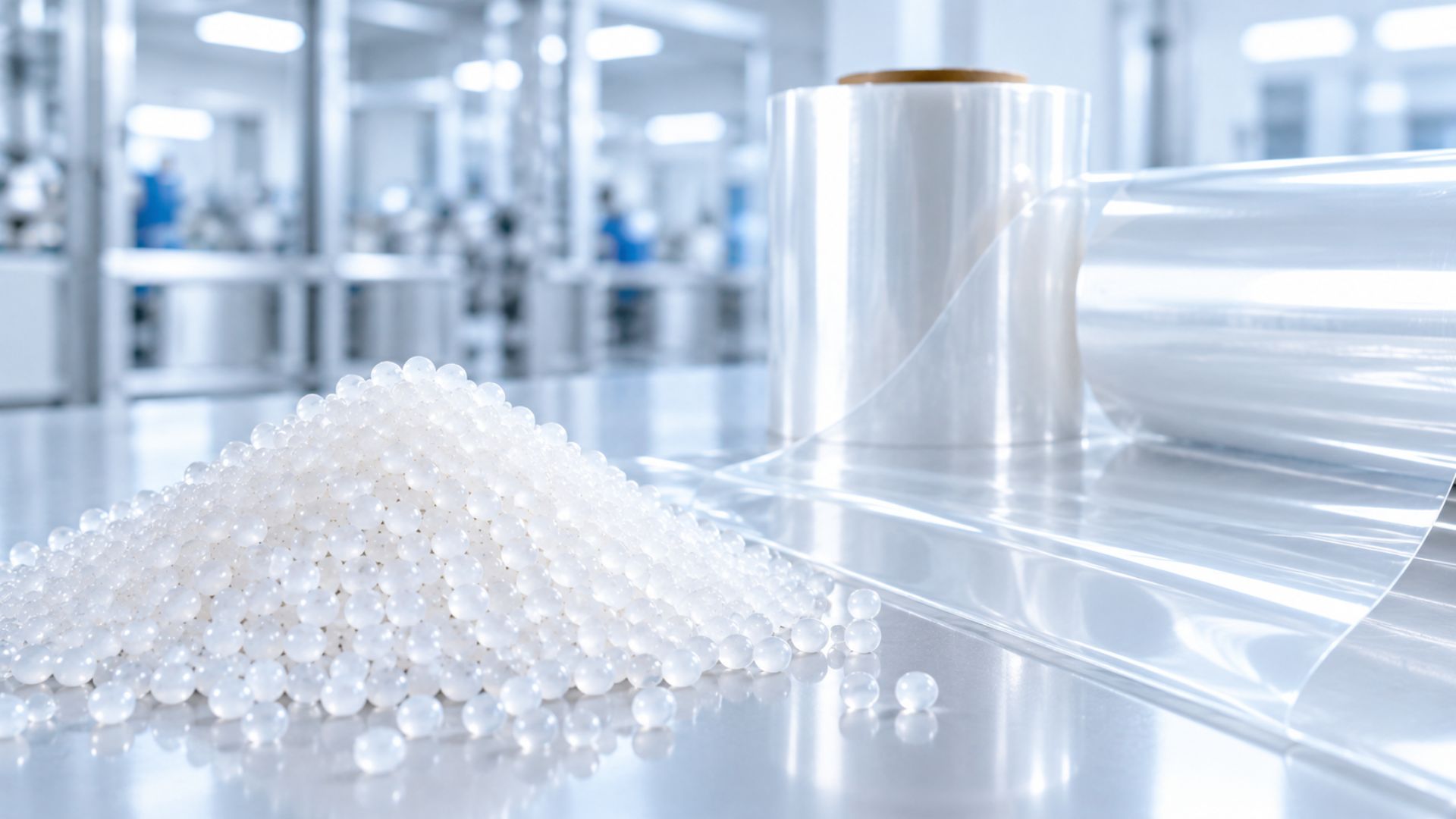
In blown film, filler is used to modify formulation cost and selected film properties. Dispersion, moisture, particle size, and carrier compatibility become important because the material is processed into a relatively thin structure.
Excessive loading or unsuitable CaCO₃ filler masterbatch can affect tensile properties, elongation, surface quality, and bubble stability. Processors therefore need to balance cost optimization with the functional requirements of the finished film.
Woven Bags And Raffia
PP woven bags and raffia products can use filler to reduce resin consumption and adjust stiffness, opacity, and processing economics. The filler must disperse consistently during tape extrusion because unstable material can affect stretching and downstream weaving performance.
The appropriate filler loading depends on the required strength, tape dimensions, production speed, and final application. Industrial packaging products generally require a balance between cost efficiency and mechanical reliability.
Injection Molding
In injection molding, calcium carbonate filler can influence stiffness, shrinkage, dimensional stability, surface characteristics, and material cost. The required grade depends on part geometry, mechanical requirements, processing temperature, cycle conditions, and polymer type.
A suitable CaCO₃ filler masterbatch should flow consistently through the molding system and distribute the mineral uniformly throughout the part. High loading may require adjustments to temperature, injection pressure, and other machine parameters.
Extrusion Applications
Extrusion includes a broad range of products, so filler requirements vary significantly. Profiles, sheets, and other extruded products may benefit from calcium carbonate for cost control, dimensional stability, stiffness, or visual characteristics.
The main technical requirement is stable flow through continuous processing. Consistency in MFI, moisture, dispersion, and formulation helps reduce fluctuations during long production runs.
Common Problems When Using CaCO₃ Filler Masterbatch
Problems associated with filler are not always caused by the CaCO₃ content itself. They may result from unsuitable particle size, inadequate dispersion, excessive moisture, poor carrier compatibility, unstable production conditions, or a loading level that exceeds what the final application can tolerate.
When troubleshooting, manufacturers should evaluate the complete system rather than changing only one parameter. Material formulation, machine settings, base resin, filler loading, and product specifications often interact with each other.
Poor Dispersion
Poor dispersion occurs when mineral particles are not distributed uniformly through the polymer matrix. Agglomerates may create surface defects, unstable processing, weak areas, or problems in thin and fiber-based products.
The causes can include mineral characteristics, surface treatment, compounding quality, carrier compatibility, or insufficient processing conditions. Selecting a filler with verified dispersion performance is particularly important at higher loading levels.
Surface Defects
Rough surfaces, visible particles, spots, or other appearance problems may be related to dispersion, contamination, moisture, incompatible materials, or inappropriate filler particle characteristics. These defects become more critical in applications with strict aesthetic requirements.
A systematic investigation should compare raw materials, filler loading, processing parameters, and finished-product conditions. Reducing filler percentage alone may not solve the underlying issue.
Unstable Extrusion
Unstable pressure, output fluctuation, die build-up, or changes in melt behavior may occur when the filler formulation is not well matched with the production system. Changes in MFI, moisture, dispersion, or raw material consistency can contribute to these problems.
Stable CaCO₃ filler masterbatch should help processors maintain predictable operating conditions. However, equipment settings may still require adjustment when changing from one filler grade or loading ratio to another.
Excessive Moisture
Moisture can generate bubbles, porosity, unstable extrusion, and surface defects in some applications. Filler should therefore be produced, stored, transported, and handled under conditions that limit unnecessary moisture absorption.
If material has been stored improperly, its condition should be checked before production. Packaging integrity is also important during international shipping and long storage periods.
Inconsistent Product Quality
Variation between filler batches can force operators to repeatedly adjust machine parameters. The problem may originate from inconsistent CaCO₃, changes in carrier resin, formulation variation, mixing accuracy, or extrusion control.
Reliable raw materials and disciplined quality control are therefore essential for consistent CaCO₃ filler masterbatch. Buyers evaluating suppliers should consider production control and testing capability in addition to price.
Reduced Mechanical Performance
Increasing filler loading may change tensile strength, elongation, impact behavior, flexibility, or other physical properties. The exact effect depends on the polymer, filler formulation, particle characteristics, and application.
The objective is not to maximize the amount of filler added, but to determine the loading level that achieves the required balance between cost and product performance. Application trials are the most practical method for defining that range.
Conclusion
CaCO₃ filler masterbatch is an important formulation tool for plastic manufacturers seeking to balance raw material economics, processing performance, and finished-product properties. Its effectiveness depends on several interconnected factors, including CaCO₃ quality, particle characteristics, carrier resin, dispersion, moisture, formulation design, and production control.
For processors, selecting CaCO₃ filler masterbatch should therefore be based on the actual application rather than price or mineral percentage alone. Understanding how the material behaves under real production conditions helps manufacturers determine an appropriate grade and loading ratio while maintaining the required quality of the final product.
FAQs
1. What Percentage Of CaCO₃ Is Usually Used?
The CaCO₃ content depends on the formulation and application. Commercial CaCO₃ filler masterbatch may contain approximately 70% to 88% calcium carbonate, but mineral percentage alone does not determine product quality.
2. Does CaCO₃ Filler Masterbatch Reduce Production Cost?
It can reduce raw material costs by replacing part of the virgin polymer with calcium carbonate. The actual saving depends on filler loading, resin price, processing performance, and final product requirements.
3. What Is The Difference Between Filler Masterbatch And Additive Masterbatch?
Filler masterbatch mainly introduces mineral filler such as CaCO₃ into a polymer. Additive masterbatch is designed to provide specific functions such as UV resistance, anti-static properties, slip, flame retardancy, or processing modification.