In modern manufacturing, particularly within industries that work with plastics and polymers, improving the performance of base materials is a critical requirement. Different applications demand specific properties such as higher durability, better processing stability, improved safety, or enhanced resistance to environmental factors. One of the most efficient solutions to achieve these targeted improvements is the use of additive masterbatches. These specially engineered formulations are designed to modify and enhance the functional characteristics of plastics, making them suitable for a wide range of applications across industries. To learn more about how additive masterbatches can optimize your production and material performance, read the full blog from CVN PLASTICS.
What Are Additive Masterbatches?
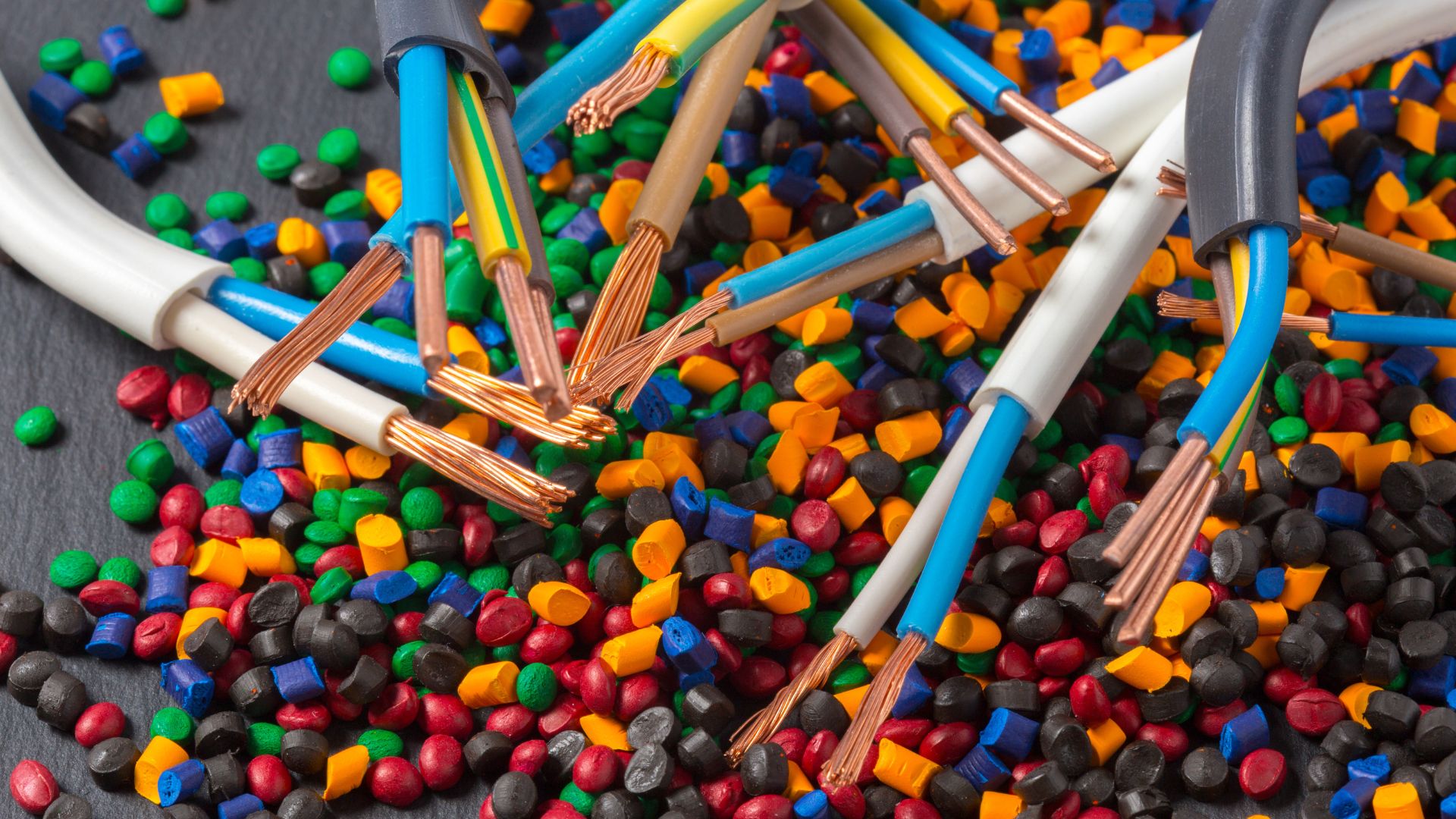
Additive masterbatches are formulations that contain various functional additives mixed with a polymer carrier resin. These additives may include substances like UV stabilizers, flame retardants, antioxidants, plasticizers, anti-block agents, and others that enhance specific properties of the polymer or plastic. Once the masterbatch is blended into the base polymer during the manufacturing process, the resulting plastic exhibits the benefits of these additives, which are crucial for performance and longevity.
Additive masterbatches are different from color masterbatches, which focus primarily on the pigmentation or coloring of plastics. While color masterbatches focus on achieving specific hues, additive masterbatches are intended to improve the functionality and performance of plastic products. They are commonly used in industries where the material must withstand challenging environments or where specific properties like flexibility, durability, or flame resistance are required.
Types Of Additive Masterbatches And Their Functions
Additive masterbatches can be classified into several types based on the functional additives they contain. Below are some of the most common types and their roles:
Anti UV Masterbatches
Anti-UV masterbatches protect plastic products from UV radiation, helping to prevent discoloration, cracking, and mechanical degradation. By shielding the polymer structure from harmful ultraviolet exposure, they maintain the material’s strength and appearance over time.
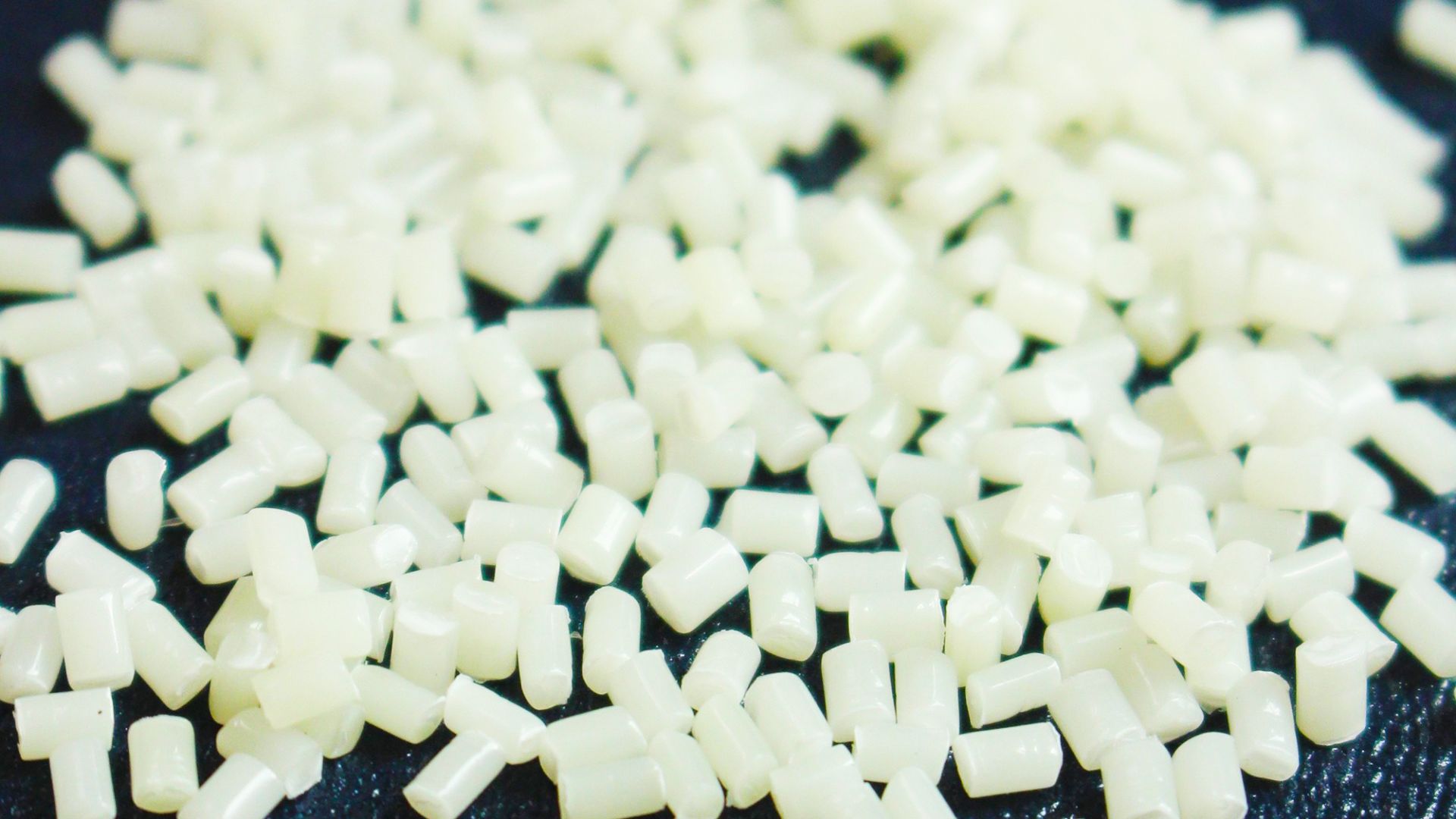
These masterbatches contain additives that absorb or block UV radiation, helping to maintain the integrity of the plastic over time. They are particularly useful in applications where the material will be exposed to sunlight for extended periods, ensuring that the products remain durable and aesthetically appealing.
Flame Retardant Masterbatches
In many applications, especially in the electrical, automotive, and construction industries, flame retardancy is crucial for safety. Flame retardant masterbatches contain additives that reduce the flammability of plastics, slowing down or even preventing the spread of fire. These additives are especially important in applications where the material is at risk of coming into contact with heat sources or potential sparks.
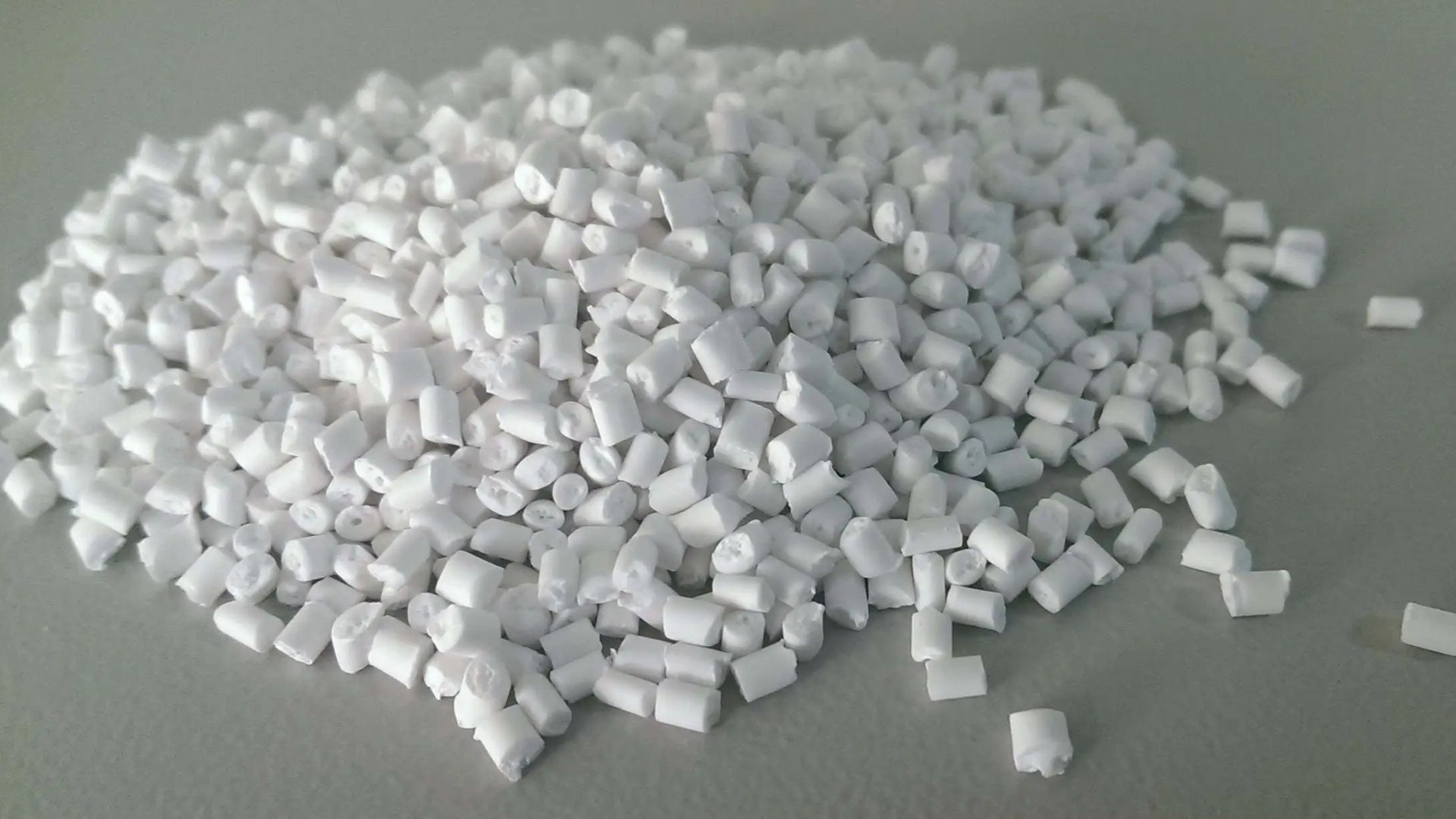
Flame-retardant masterbatches are often used in the production of cables, electrical components, and building materials to enhance safety by reducing the risk of fire hazards. By incorporating these additives, manufacturers can ensure that their products meet stringent safety standards and regulations.
Antioxidant Masterbatches
Exposure to oxygen and heat can cause the degradation of plastics over time, leading to discoloration, brittleness, and a decrease in mechanical strength. Antioxidant masterbatches are used to protect plastics from oxidative degradation by slowing down or preventing the chemical reaction between oxygen and the polymer.
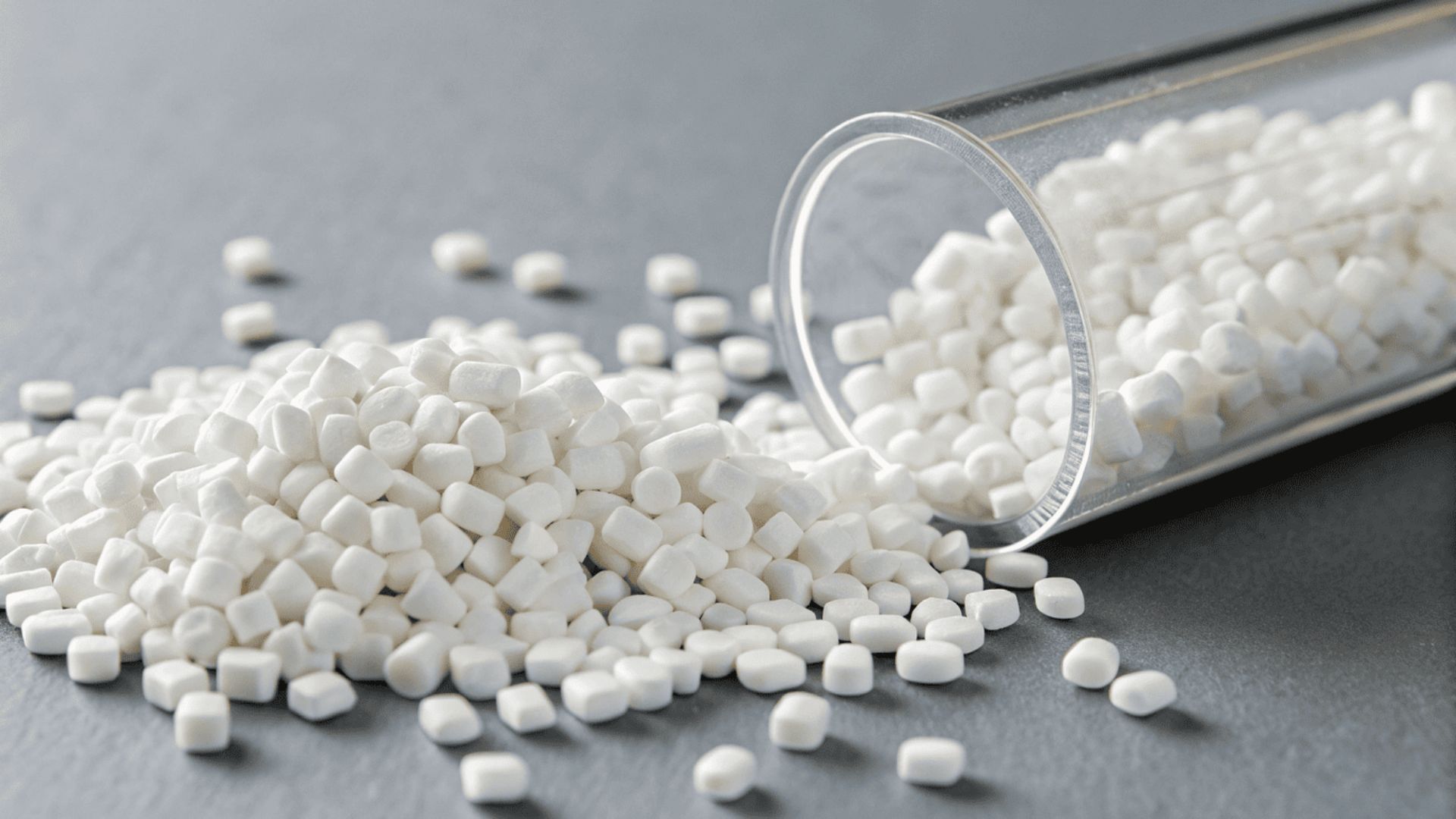
These masterbatches are particularly beneficial in applications where the material will be exposed to high temperatures or oxidative environments, such as automotive parts, electrical components, and packaging materials. The antioxidants preserve the material’s properties, extending its lifespan and ensuring reliable performance.
Anti-Static Masterbatches
Anti-static masterbatches contain additives that reduce the buildup of static electricity on the surface of plastics. This is especially important in applications where static electricity can interfere with the performance of electronic components or damage sensitive equipment. By incorporating anti-static additives into plastics, manufacturers can ensure that products like electronic packaging, computer housings, and components are protected from electrostatic discharge (ESD).
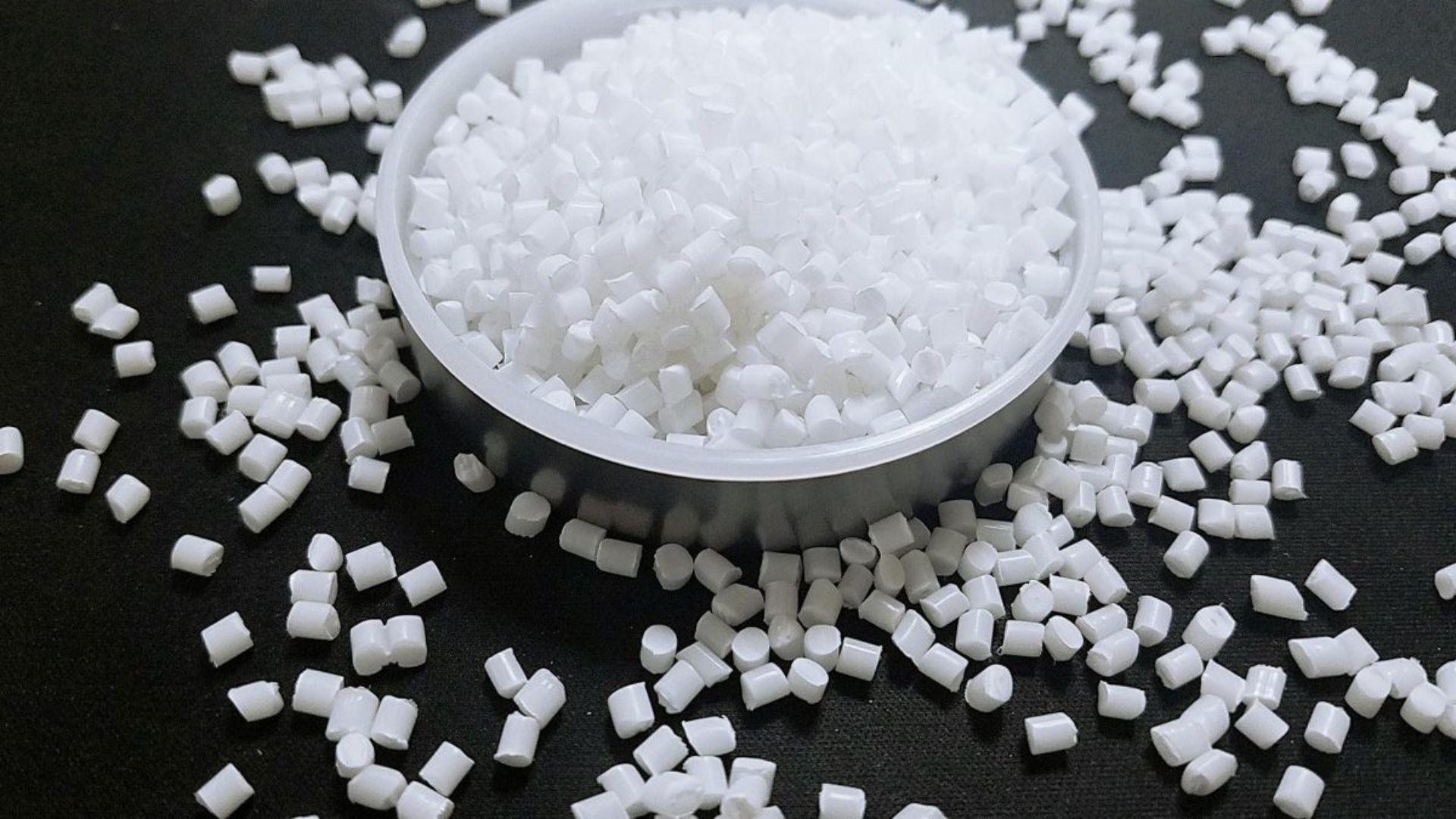
Anti-static masterbatches help create safer environments for both products and users by preventing the risks associated with static buildup, such as sparks or data corruption in electronic devices.
Slip and Anti-block Masterbatches
Slip and anti-block masterbatches are used to improve the handling and processing of plastics. Slip agents reduce the friction between the surface of plastic products, making them easier to handle, pack, and process. On the other hand, anti-block agents are used to prevent layers of plastic films or sheets from sticking to each other during processing or storage.
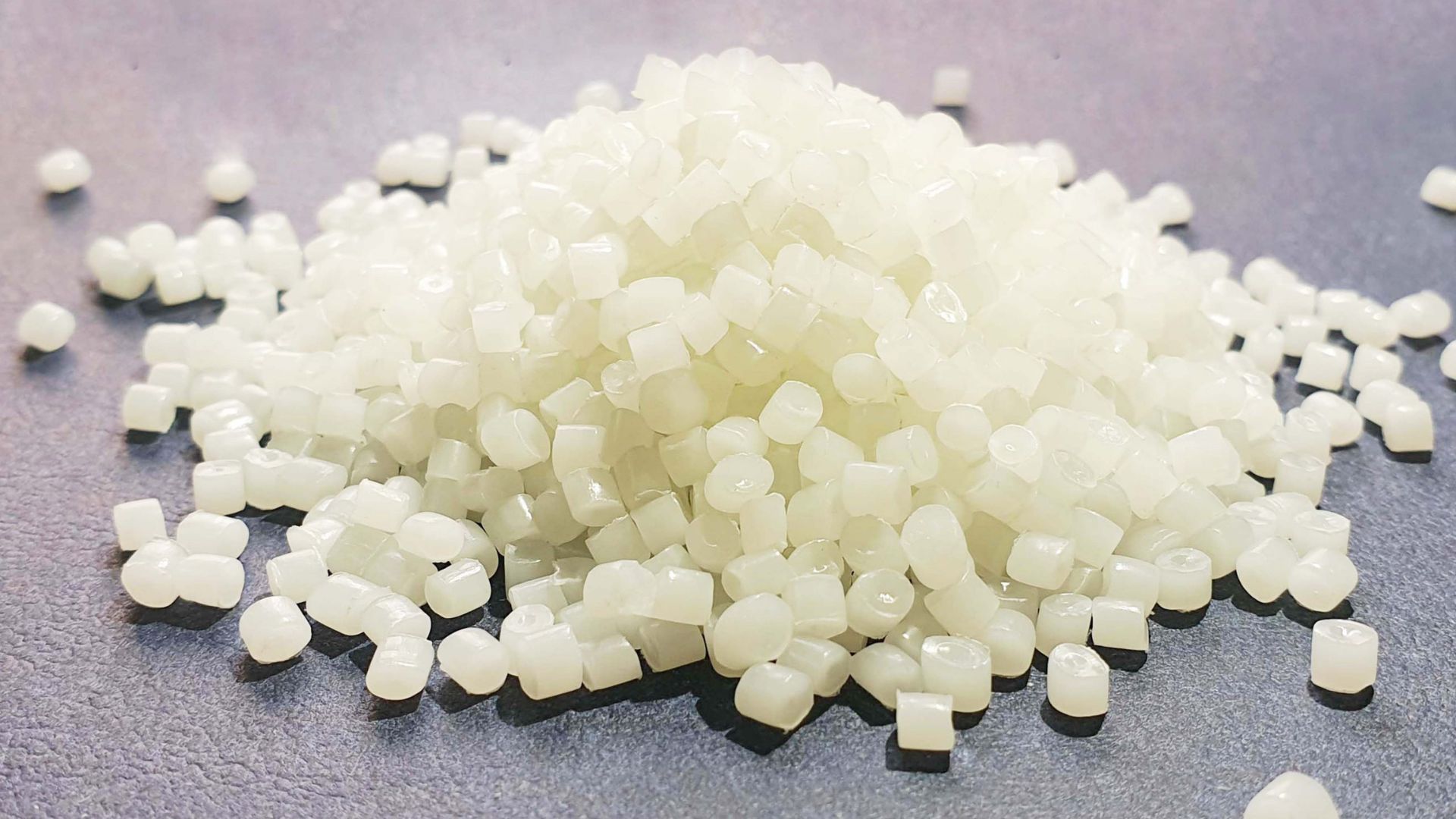
These masterbatches are commonly used in the packaging industry, particularly for plastic films and bags. They enhance the performance of the final product, improving ease of use and maintaining product quality.
Processing Aids
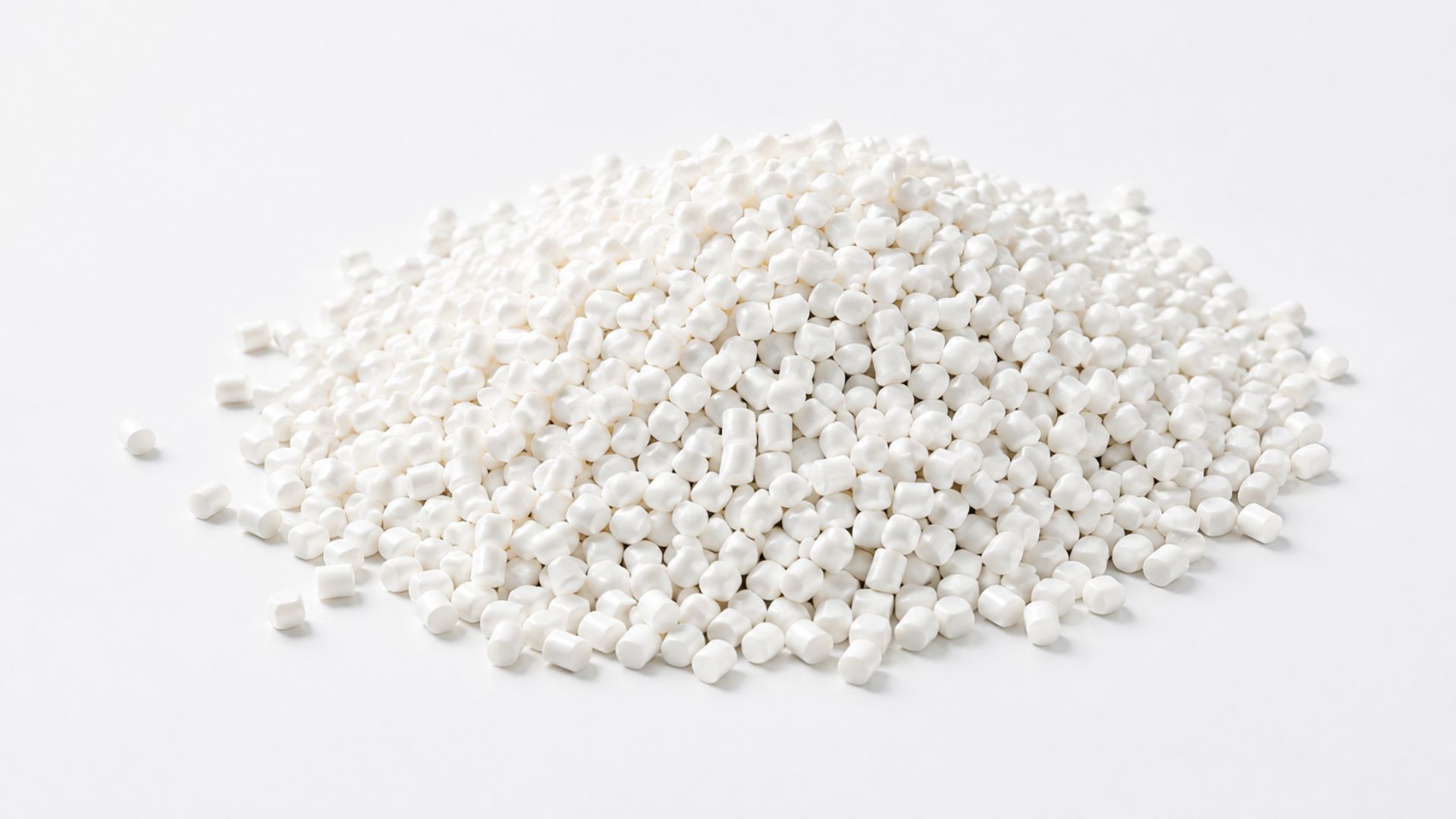
Plastic products are produced via a complex production process. The easier it is to process raw polymers, the smoother and simpler the process becomes. Processing aids are additive masterbatches that can enhance the processability of a wide range of products, from pipes and film to cables and packaging materials. As a result, manufacturers enjoy a process that is not only more seamless but is also quicker and more cost-effective.
Desiccant Masterbatches
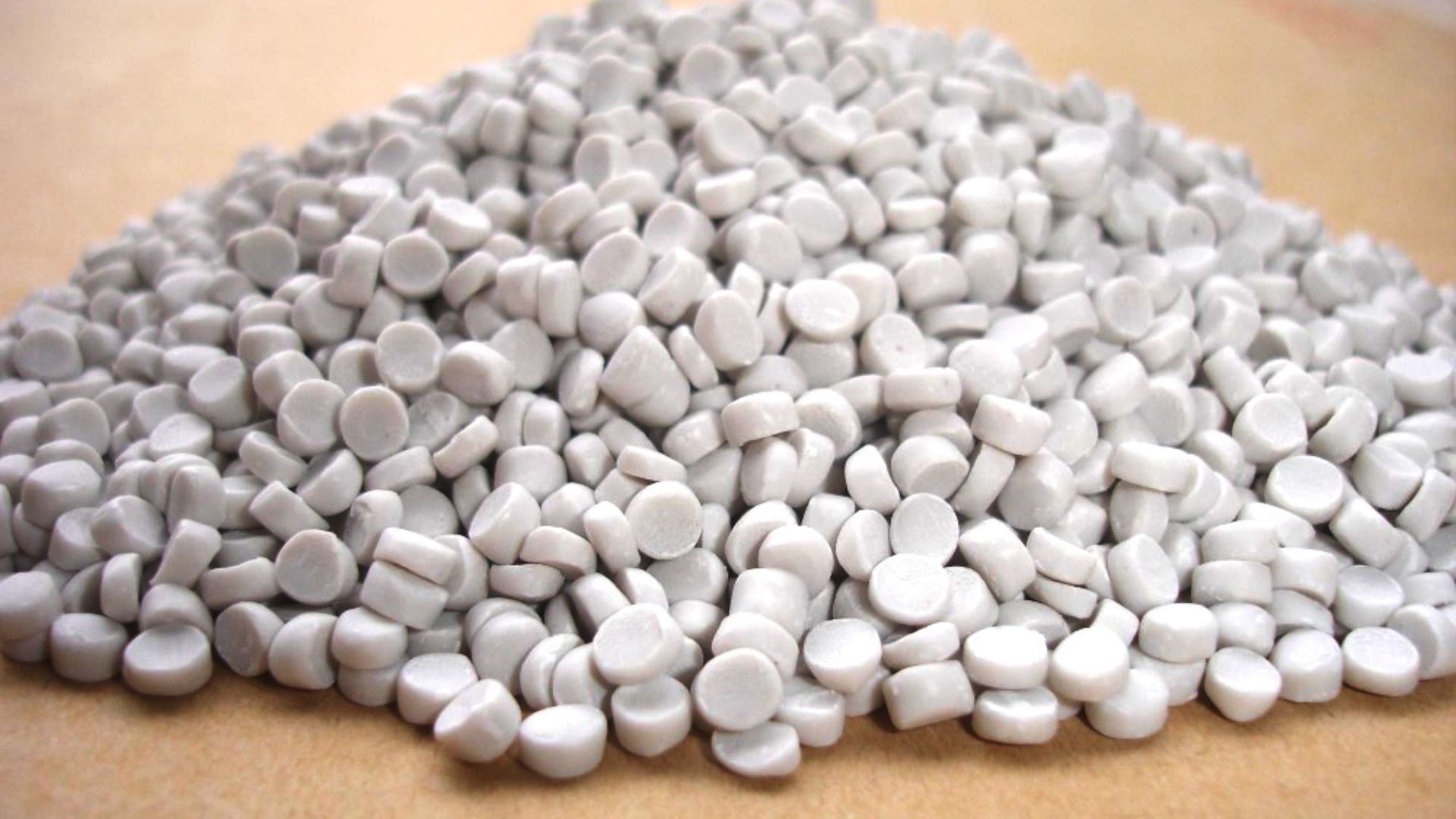
Desiccant masterbatches absorb excess moisture during plastic processing, helping to prevent common defects such as bubbles, streaks, and surface imperfections. This function is especially important when working with recycled materials, which often contain higher moisture levels. By controlling moisture content, desiccant additives improve processing stability and enhance the overall quality of the final product.
How Do Additive Masterbatches Work?
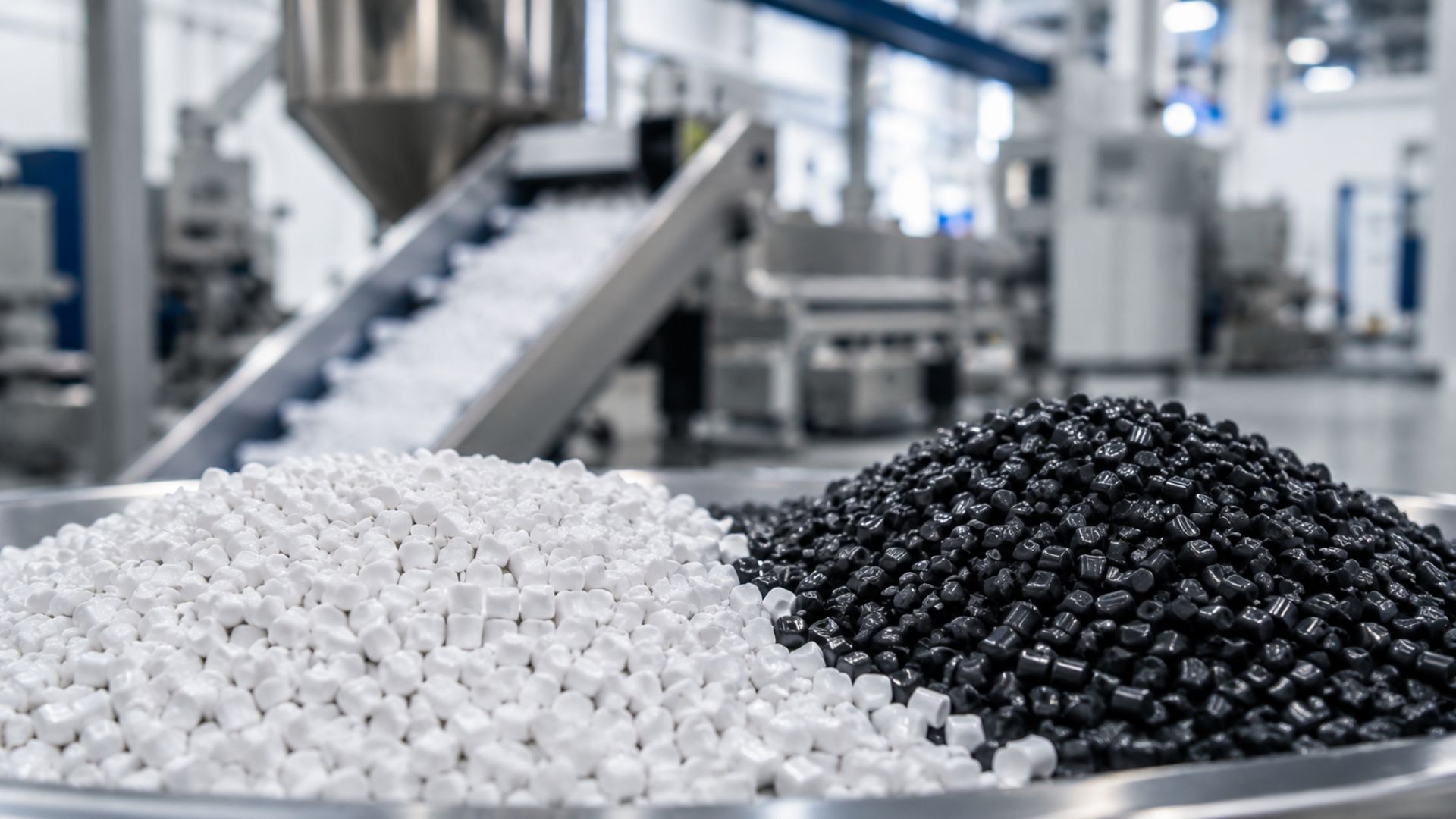
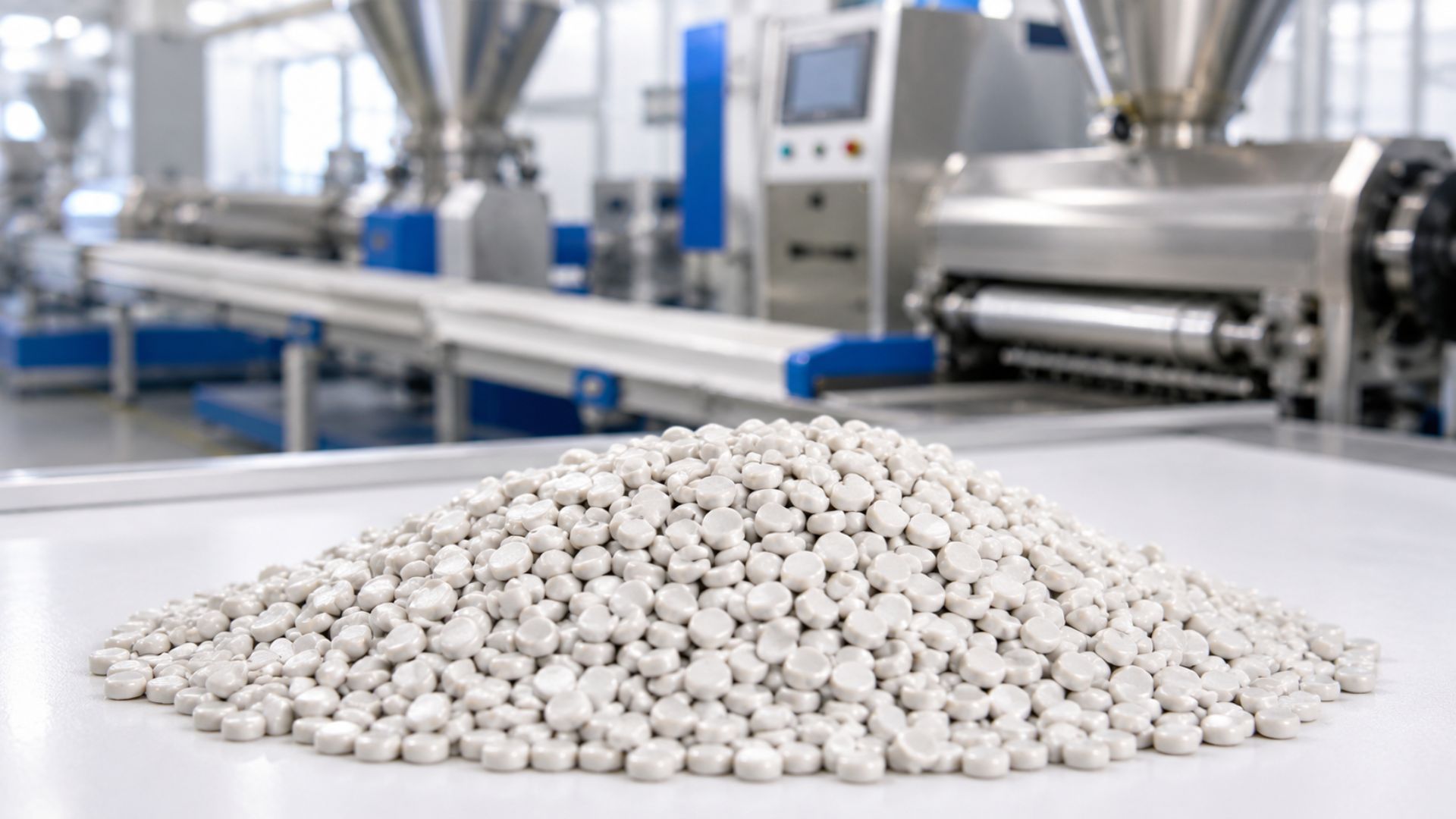
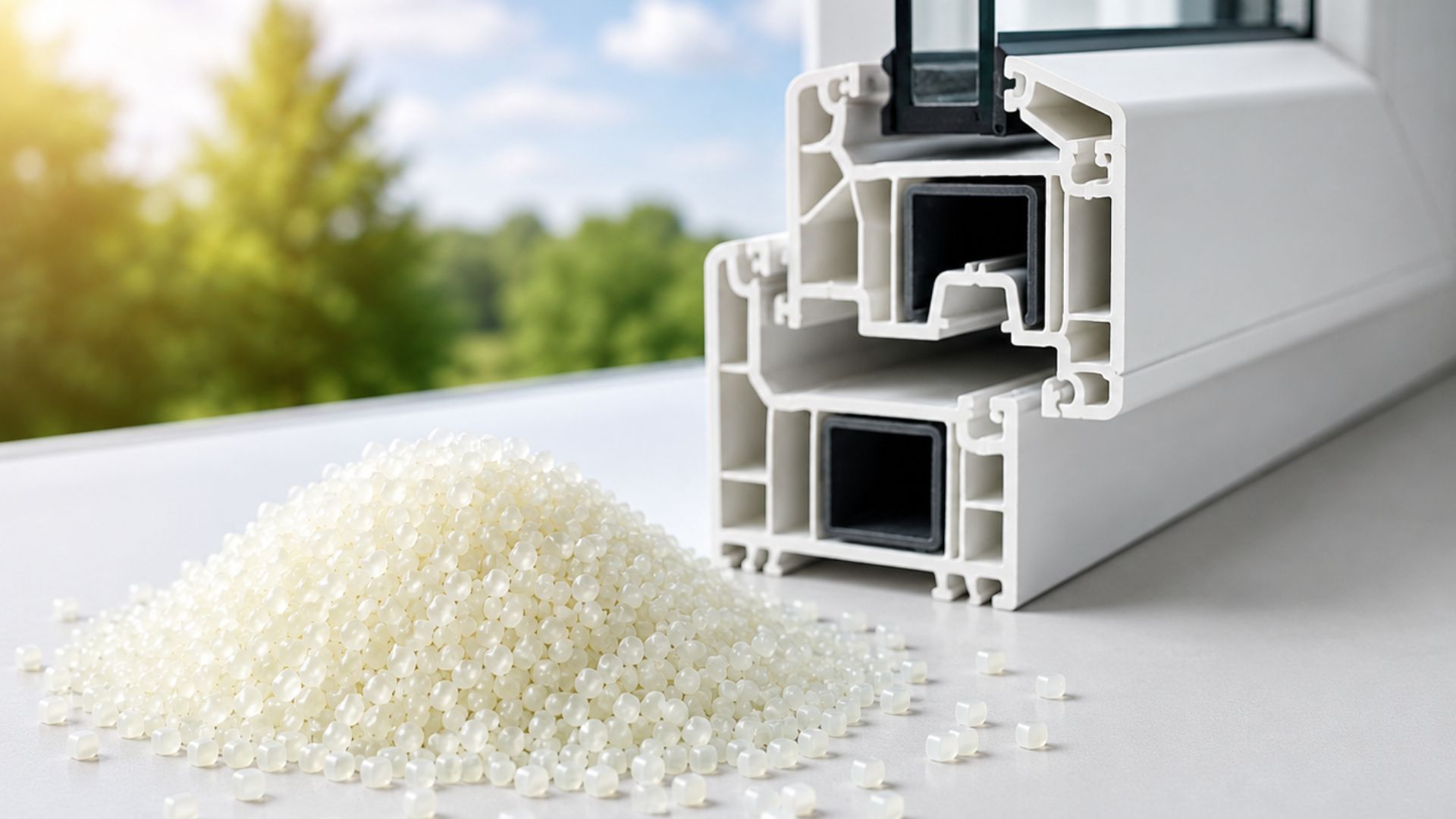
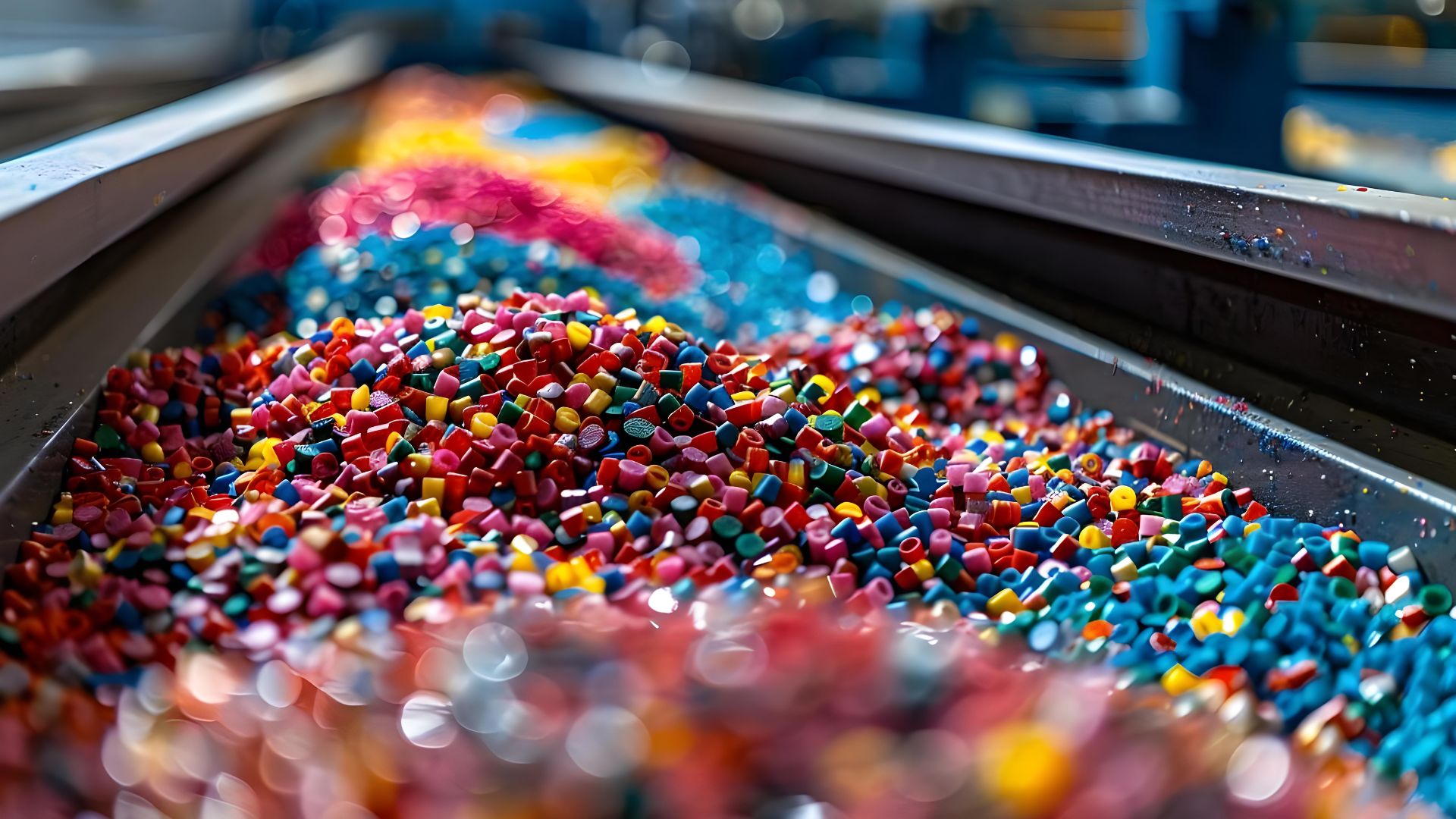
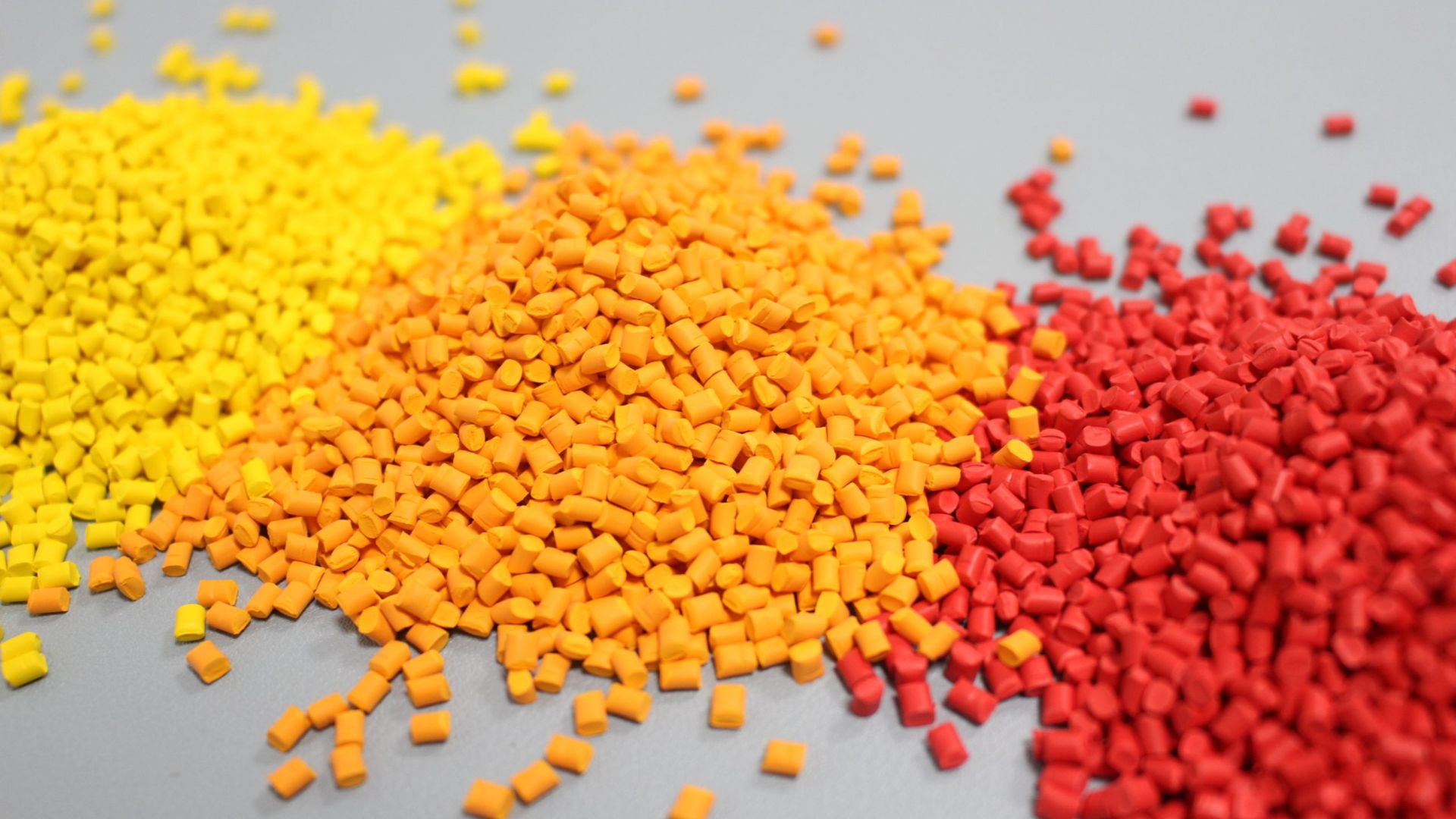
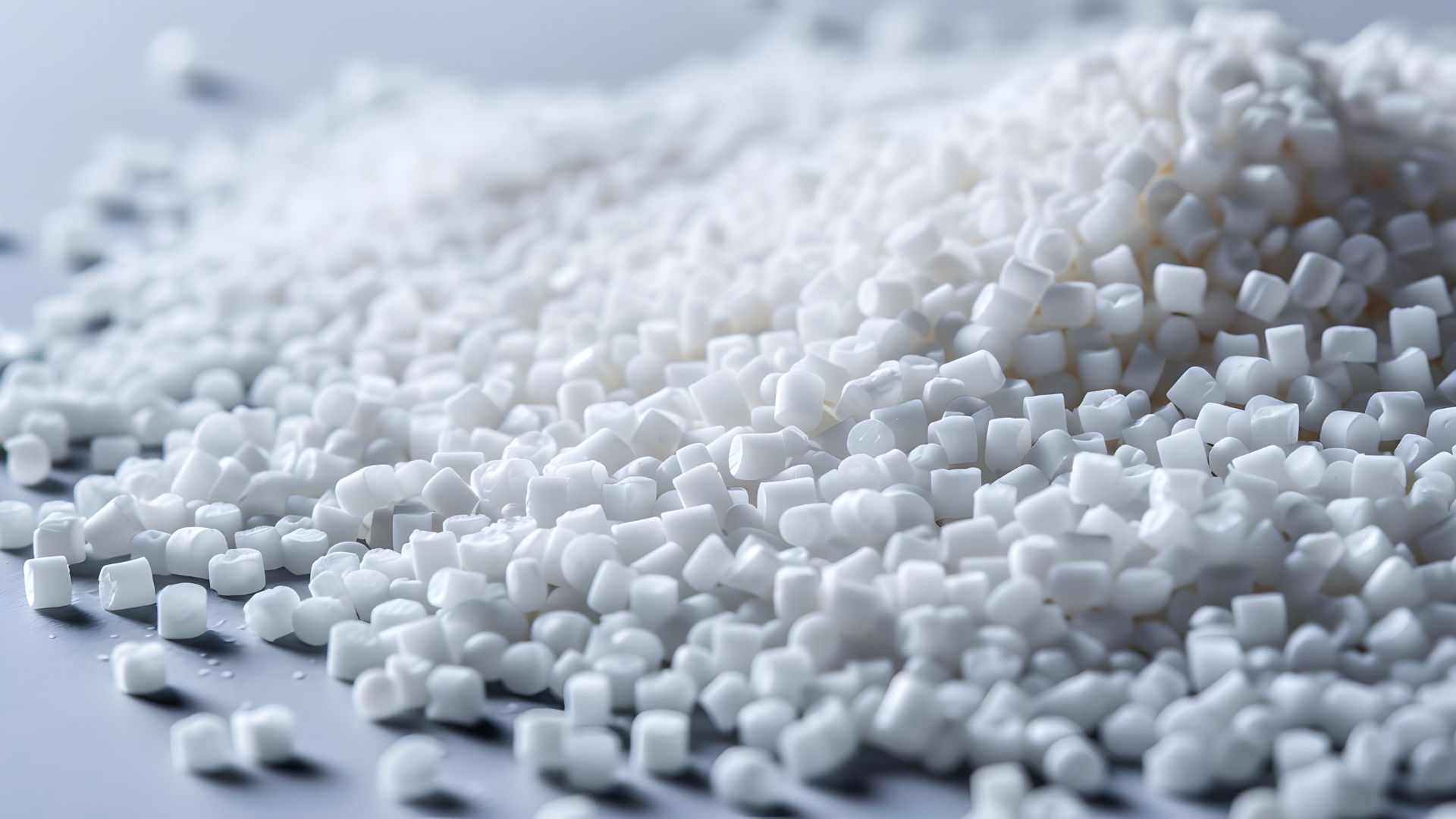
Additive masterbatches work by being added to the base polymer or plastic during the manufacturing process. The masterbatch is typically in the form of small pellets or granules, which are mixed into the base polymer in a controlled amount. The additives in the masterbatch then dissolve or disperse within the polymer matrix, imparting the desired properties to the final product.
The exact amount of masterbatch required will depend on the type of additive being used, the properties needed, and the base polymer. For example, a UV stabilizer masterbatch may only require a small amount to be effective, while a flame retardant masterbatch may need a larger proportion to achieve the required level of fire resistance.
The key to the effectiveness of additive masterbatches is that they allow manufacturers to tailor the properties of their products to meet specific needs without having to modify the base polymer significantly. This results in improved product performance, durability, and functionality, without compromising on processing efficiency or material costs.
Benefits Of Additive Masterbatches
Enhance product performance
Additives Masterbatch contains additives designed to improve the physical, chemical, or aesthetic features of plastic products. For instance, some additives can increase the plastic’s resistance to UV light, heat, or chemicals. Others might enhance mechanical durability, such as hardness, toughness, or tensile strength.
Meet technical and regulatory requirements
Certain industries require materials to comply with strict safety and quality regulations. For example, plastic products used in children’s toys, medical supplies, or food packaging must meet standards for toxicity and hygiene. Additives Masterbatch allows manufacturers to integrate necessary functions to meet these requirements.
Improve manufacturing processes
Some additives are designed to optimize the plastic manufacturing process, reduce cycle times, and enhance efficiency. For example, anti-adhesion additives can help plastic products easily release from molds, while friction-reducing additives can facilitate smoother flow through extrusion machinery.
Create color and aesthetic effects
Additives Masterbatch also includes colorants, enabling manufacturers to easily and accurately produce products with desired colors and aesthetic effects. This is crucial not only for the consumer goods industry, where color can significantly influence purchasing decisions, but also for other industries like automotive or electronics.
Environmental protection
Additives such as biodegradable agents can help plastic products decompose more quickly when disposed of, reducing environmental impact. Using recycled additives also helps manufacturers contribute to the circular economy, reducing reliance on new raw materials and decreasing plastic waste.
Conclusion
By using the right additive masterbatch, manufacturers can extend product lifespan, improve safety, enhance product appearance, and comply with technical standards while maintaining cost-effective production. As industries continue to prioritize high-performance and sustainable plastic solutions, additive masterbatches will remain a key component in developing reliable, durable, and innovative plastic products.
FAQs
1. Is additive masterbatch compatible with all polymers?
No. Compatibility depends on the carrier resin and the target polymer, such as PE, PP, PVC, PET, or ABS.
2. What industries commonly use anti-UV masterbatch?
Agriculture, outdoor furniture, automotive, and construction industries frequently use anti-UV masterbatch to protect products from sunlight degradation.
3. Why is proper dosage important for additive masterbatches?
Correct dosage ensures optimal performance, stable processing, and cost efficiency without negatively affecting product quality.
4. How should additive masterbatches be stored?
It should be stored in a dry, cool environment away from direct sunlight and moisture to maintain product stability and performance.