Moisture is one of the most common causes of defects in plastic processing, particularly when working with recycled materials. To address these challenges, many manufacturers use desiccant masterbatch as a practical solution for controlling moisture during extrusion, film blowing, and injection molding. This article by CVN PLASTICS explains how desiccant masterbatch works and the technical factors that influence its performance.
What Is Desiccant Masterbatch?
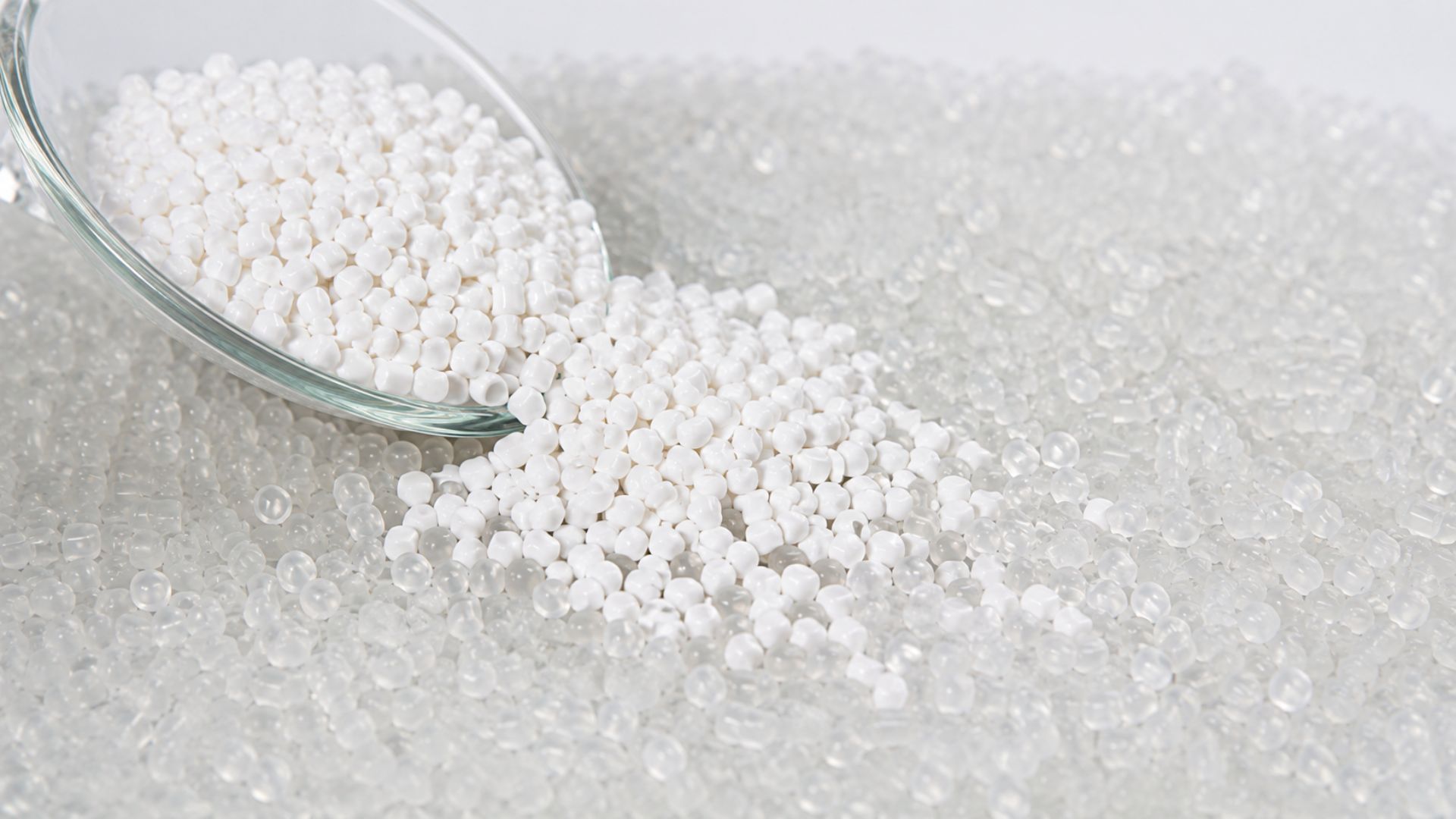
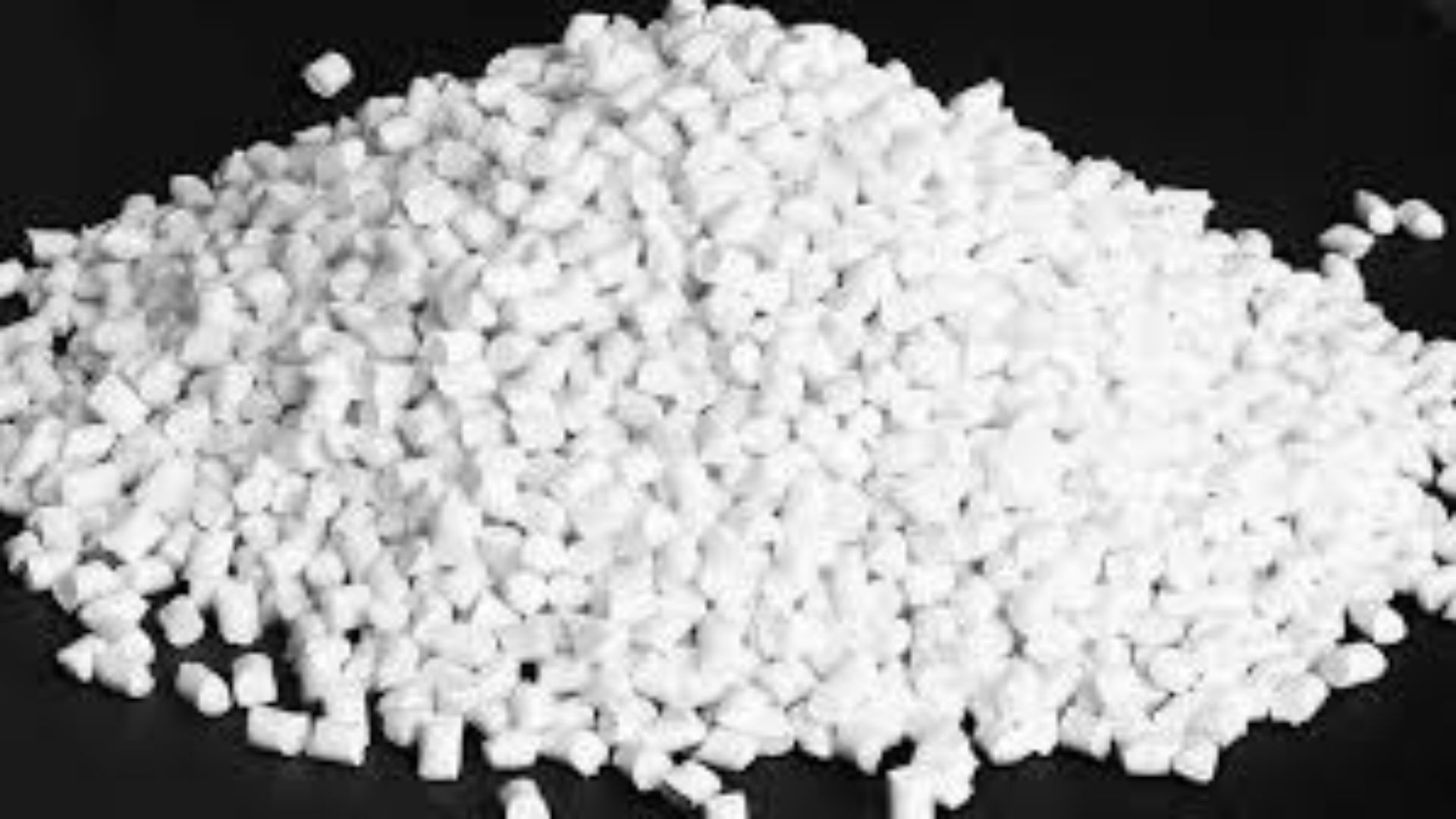
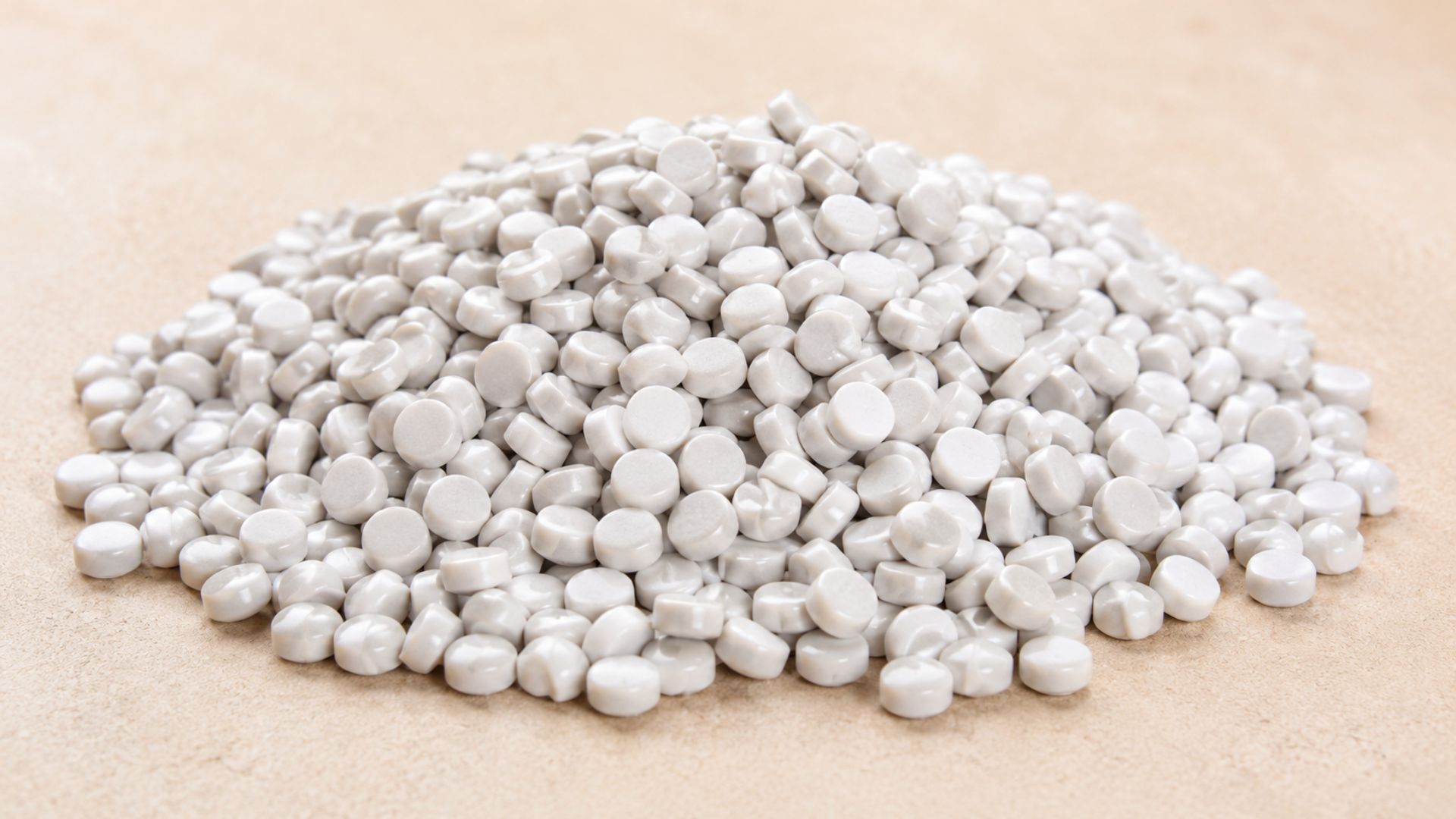
Desiccant masterbatch is a functional additive used in plastic processing to absorb and neutralize moisture present in polymer materials, especially recycled resins, hygroscopic fillers, and improperly dried plastic compounds.
Desiccant masterbatch is commonly formulated with active moisture-absorbing agents dispersed in a polymer carrier. The carrier resin allows the additive to be mixed uniformly with the main polymer. Depending on the application, it can be designed for polyethylene, polypropylene, polystyrene, ABS, or other thermoplastic systems. In practice, desiccant masterbatch is especially useful when manufacturers process recycled polyolefins or blends containing inconsistent levels of moisture.
Why Moisture Is A Critical Issue In Plastic Manufacturing
Moisture is a common cause of defects in plastic processing. During extrusion or injection molding, residual water turns into vapor at high temperatures, creating bubbles, voids, streaks, and other surface imperfections.
In film blowing, moisture can lead to pinholes, bubble instability, poor transparency, and uneven film thickness. In injection molding, it may cause silver streaks, voids, weak weld lines, and reduced surface quality. Extruded products such as pipes, sheets, and profiles can also suffer from rough surfaces, dimensional inconsistency, and reduced mechanical performance.
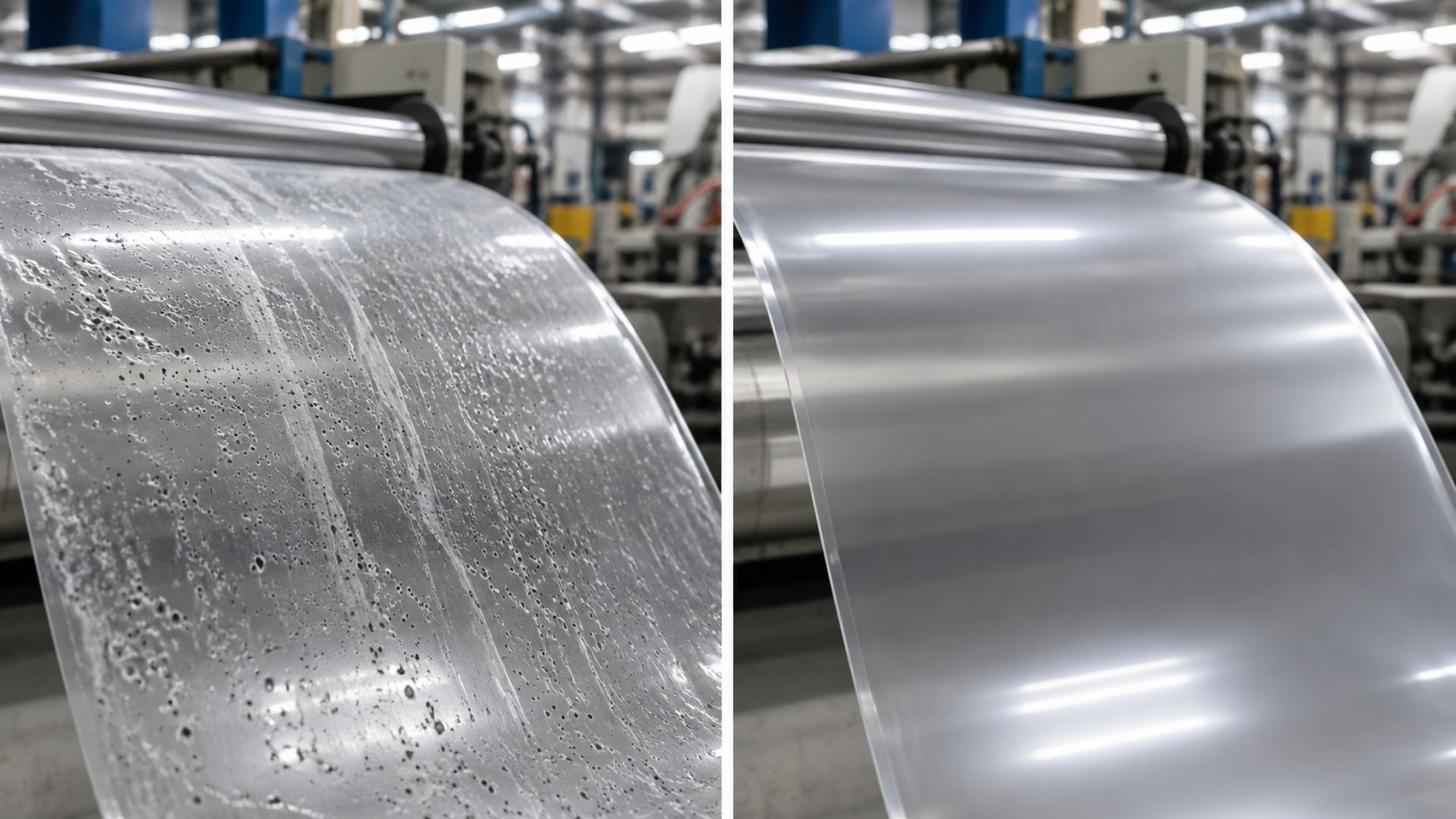
Beyond product quality, moisture reduces production efficiency by increasing scrap rates, requiring process adjustments, and causing downtime. The challenge is even greater in recycled plastics, where moisture levels often vary between batches.
For hygroscopic polymers such as PET, PA, and PC, moisture can trigger hydrolytic degradation during processing, reducing molecular weight and mechanical strength. In these cases, proper drying is essential. For PE and PP, moisture mainly causes physical defects rather than chemical degradation, which is why desiccant masterbatch is widely used in recycled polyolefin applications to improve processing stability and product quality.
How Desiccant Masterbatch Works In Plastic Processing
Desiccant masterbatch works by absorbing or reacting with moisture before it can create defects during processing. The active ingredients, typically inorganic oxides or salts, bind water and reduce the amount of free moisture that can vaporize in the polymer melt. This helps prevent bubbles, voids, and surface imperfections.
Its effectiveness depends on proper dispersion throughout the resin. Poor distribution can lead to inconsistent moisture control and uneven product quality. Processing conditions such as temperature, mixing efficiency, and residence time also play an important role, as they affect moisture release and the interaction between the desiccant and water.
Key Components And Formulation
A desiccant masterbatch normally consists of three major elements: the active desiccant agent, the carrier resin, and processing or dispersion additives. Each component affects the final performance of the product.
The active desiccant agent is responsible for moisture absorption. It must have sufficient water-binding capacity and remain stable under plastic processing conditions. The selection of this component depends on the target polymer, processing temperature, required moisture absorption level, and final product requirements. The active material should not create excessive gas, odor, contamination, or discoloration during processing.
The carrier resin acts as the medium that carries the active desiccant into the main polymer system. For polyolefin applications, polyethylene or polypropylene carriers are commonly used. Carrier compatibility is important because an incompatible carrier can reduce dispersion quality, weaken the final product, or create visible defects. For example, a PE-based desiccant masterbatch may work well in LDPE, LLDPE, or HDPE applications, while a PP-based carrier may be more suitable for raffia, woven sacks, and injection-molded PP products.
The formulation may also include lubricants, dispersing agents, processing aids, or stabilizers. These components help improve pellet quality, reduce agglomeration, and support smooth processing. However, the formulation must be balanced carefully. Excessive lubricant can affect printing, sealing, bonding, or surface treatment.
The quality of desiccant masterbatch depends not only on the type of active ingredient but also on particle size, dispersion level, carrier quality, moisture content of the finished pellet, and batch consistency. A high-quality product should have uniform pellets, stable flowability, low dust generation, and predictable performance under industrial processing conditions.
Main Benefits Of Using Desiccant Masterbatch
The main benefit of desiccant masterbatch is the reduction of moisture-related defects during plastic processing. Controlling residual water in the melt helps reduce bubbles, pinholes, silver streaks, surface marks, voids, and rough appearance. This is particularly valuable in recycled plastic processing, where raw material moisture is often difficult to control completely.
Another important benefit is improved production stability. When moisture-related defects are reduced, manufacturers can maintain more consistent line speed, reduce downtime, and lower the rate of rejected products. This is especially relevant for blown film, extrusion, and injection molding operations where visual defects can quickly lead to production waste.
Desiccant masterbatch can also reduce dependence on pre-drying in certain applications, especially for non-hygroscopic polymers such as PE and PP. In many recycling operations, full drying may require additional energy, time, labor, and equipment investment. A suitable desiccant masterbatch can help manage moderate moisture levels directly during processing. However, this does not mean that drying becomes unnecessary in all cases. For heavily wet materials or hydrolysis-sensitive polymers, drying remains an important technical step.
The additive may also support better material utilization. Recycled plastics often show variable quality due to contamination, moisture, and inconsistent previous processing history. By reducing moisture-related instability, desiccant masterbatch helps manufacturers use recycled materials more effectively. This can be important in applications where cost control, waste reduction, and recycled content are part of the production strategy.
In addition, desiccant masterbatch may improve the visual quality of final products. Products with fewer bubbles, streaks, and surface defects are more acceptable in packaging, household goods, construction materials, and industrial components. However, it should be understood as a process-stabilizing additive rather than a universal quality enhancer. It cannot correct all defects caused by poor resin quality, contamination, wrong temperature settings, degraded polymers, or unsuitable machine configuration.
Applications In Different Plastic Products
Blown film and plastic bags
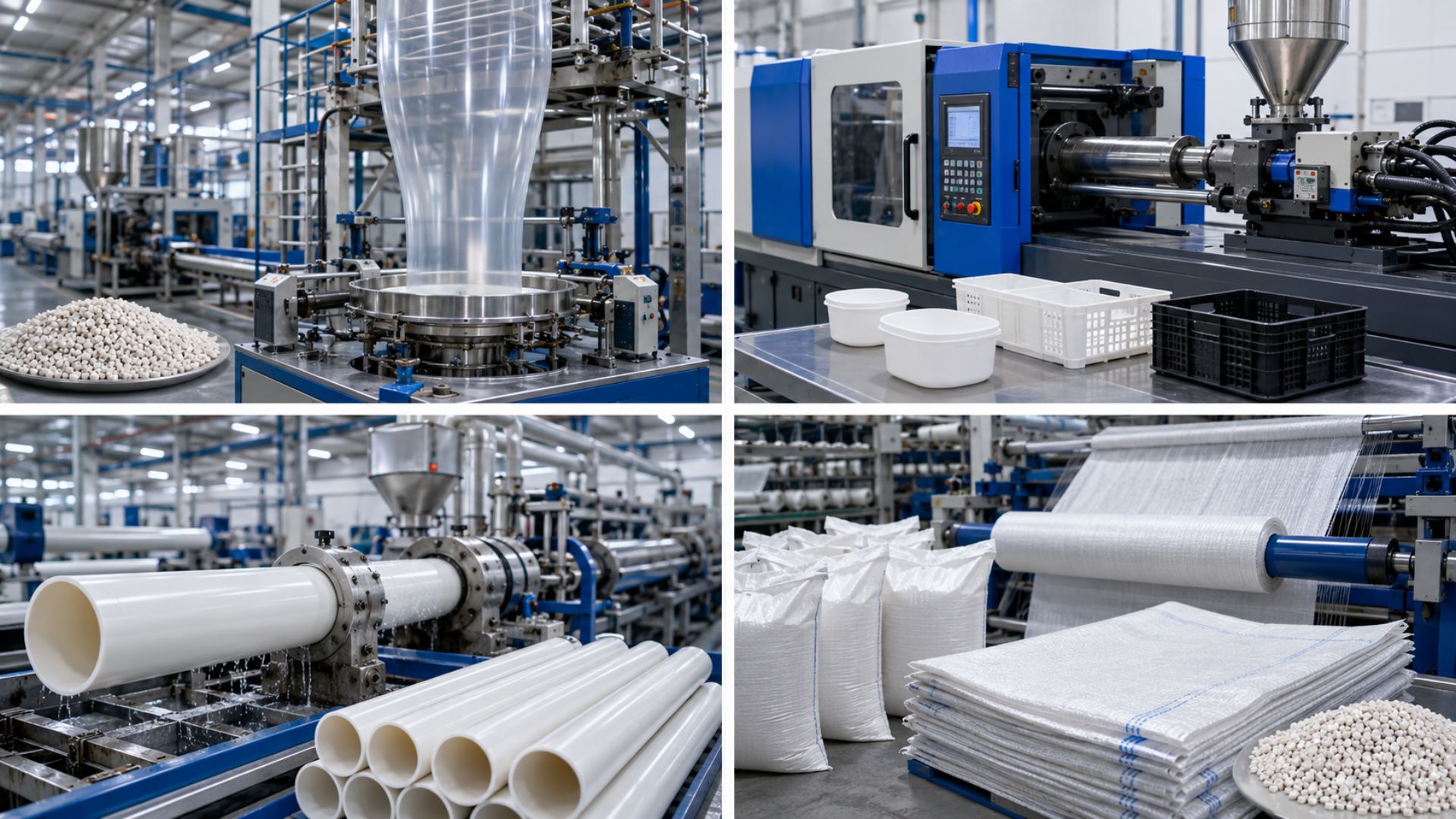
Blown film production is highly sensitive to moisture because the melt is stretched into a thin film and inflated into a bubble. Any moisture vapor trapped in the melt can appear as pinholes, bubbles, surface spots, or unstable film gauge. In severe cases, moisture can cause bubble breakage or poor winding quality.
Desiccant masterbatch is commonly used in recycled LDPE, LLDPE, and HDPE film applications. It helps improve film appearance and processing stability when the recycled material contains residual water after washing or storage. In plastic bags, garbage bags, shopping bags, and agricultural films, the additive can reduce visible defects and improve consistency.
However, dosage must be controlled carefully in thin film applications. Excessive additives may affect film transparency, tensile strength, sealing behavior, or surface quality. For printed bags, the influence on ink adhesion and surface treatment should also be evaluated before large-scale use.
Injection molding products
In injection molding, moisture often appears as silver streaks, splay marks, internal voids, or poor surface gloss. These defects are common when recycled materials are used without sufficient drying or when raw materials are exposed to humid storage conditions.
Desiccant masterbatch can be used in injection-molded products made from recycled PP, PE, ABS, or other compatible polymers. It is particularly useful for household products, containers, crates, caps, fittings, and industrial parts where moderate moisture causes visual or structural defects.
The effectiveness depends on proper mixing and residence time in the barrel. If the additive is not distributed evenly, the molded part may still show localized streaks or weak points. Mold design, injection speed, back pressure, and temperature profile also influence the final result. Therefore, desiccant masterbatch should be considered part of a broader processing optimization process rather than an isolated solution.
Extrusion products
Extrusion products such as pipes, sheets, profiles, and boards require stable melt flow and consistent dimensional control. Moisture in the material can create rough surfaces, bubbles, internal voids, and weak sections. These issues are especially problematic in products that require pressure resistance, surface smoothness, or accurate dimensions.
Desiccant masterbatch can help reduce vapor-related defects in recycled polyolefin extrusion. It is often used when processing recycled HDPE or PP for non-pressure pipes, sheets, panels, and construction-related profiles. In these applications, moisture control supports smoother production and reduces surface imperfections.
For technical extrusion products, the effect on mechanical properties should be tested carefully. The presence of active desiccant particles and carrier resin may influence impact strength, elongation, stiffness, or long-term performance. For products with strict standards, laboratory testing and trial production are necessary before full adoption.
Woven sacks and raffia
Woven sacks and raffia applications are usually based on polypropylene. Moisture in PP raffia production can cause tape breakage, surface defects, unstable stretching, and reduced production efficiency. These issues may become more frequent when recycled PP or filler-containing compounds are used.
A suitable desiccant masterbatch can help stabilize processing by reducing moisture-related vapor formation during tape extrusion. This may contribute to better tape continuity, fewer breaks, and more stable stretching behavior. In woven sacks, where production speed and consistency are important, improved moisture control can help reduce interruptions.
The carrier resin should be compatible with PP to avoid negative effects on tape strength and elongation. Since raffia tapes are stretched after extrusion, any change in formulation can influence orientation behavior and mechanical properties. For this reason, desiccant masterbatch should be tested under actual line conditions before routine use.
Recycled plastic processing
Recycled plastic processing is one of the most important application areas for desiccant masterbatch. Recycled materials often pass through collection, sorting, washing, drying, storage, and re-pelletizing stages. At each stage, moisture may remain in or on the material. Even after mechanical drying, recycled flakes or pellets may absorb moisture again during storage.
The moisture level in recycled plastics is often less predictable than in virgin resin. This inconsistency creates processing instability. One batch may run smoothly, while another batch may cause bubbles, surface defects, or poor product appearance. Desiccant masterbatch helps reduce this variability by providing an additional moisture-control mechanism during processing.
It is commonly used in recycled PE and PP applications such as film, bags, injection-molded goods, pipes, sheets, and general-purpose extrusion products. However, it cannot solve problems caused by excessive contamination, polymer degradation, incompatible material blends, or high levels of volatile impurities. Good recycling practice, proper washing, sufficient drying, material classification, and stable compounding remain essential.
How To Choose The Right Desiccant Masterbatch
Choosing the right desiccant masterbatch requires more than comparing moisture absorption claims. The first factor is polymer compatibility. The carrier resin should match or be compatible with the base polymer. A PE-based product is generally more suitable for PE applications, while a PP-based product is often preferred for PP raffia, woven sacks, and injection molding.
The second factor is processing temperature. The active desiccant system must remain stable under the actual processing conditions. If the additive decomposes, releases odor, or creates secondary defects, it may not be suitable for the application. The product should also disperse well at the processing temperature of the target polymer.
The third factor is moisture absorption capacity. A good desiccant masterbatch should have sufficient capacity to handle the moisture level normally present in the raw material. However, capacity should be assessed together with dispersion, compatibility, and final product performance. A high absorption value alone does not guarantee good processing results.
The fourth factor is product appearance and mechanical performance. In film, the additive should not cause excessive haze, gels, pinholes, or surface roughness. In injection molding, it should not create streaks, brittleness, or poor gloss. In extrusion, it should support stable surface quality and dimensional consistency.
The fifth factor is consistency between batches. Industrial users need predictable performance, not only good results in one trial. Stable pellet size, uniform dispersion, low dust, controlled moisture content, and reliable packaging all contribute to consistent use in production.
Key Technical Factors To Consider Before Use
Before using desiccant masterbatch, manufacturers should evaluate the actual source and level of moisture. If moisture is caused by poor storage, wet recycled flakes, or insufficient drying after washing, process control should be improved first. Desiccant masterbatch can support moisture management, but it should not be used to compensate for severely wet raw materials without addressing the root cause.
Material compatibility should also be checked. The carrier resin, active ingredient, and other additives must be suitable for the base polymer and final application. Incompatible systems may cause poor dispersion, weak mechanical properties, or visible surface defects.
Processing conditions should be optimized during trials. Temperature profile, screw design, mixing performance, residence time, back pressure, line speed, and die condition can all affect the performance of the desiccant masterbatch. If the additive does not have enough time or mixing energy to interact with moisture, its effect may be limited.
The influence on final product properties should be tested. This includes tensile strength, elongation, impact resistance, sealing strength, surface smoothness, printability, transparency, dimensional stability, and long-term performance where relevant. For technical or regulated applications, laboratory testing should be performed before commercial production.
Storage conditions for the desiccant masterbatch itself are also important. Since the additive is designed to absorb moisture, it should be stored in sealed packaging and protected from humidity. Opened bags should be used quickly or resealed properly. If the masterbatch absorbs moisture during storage, its effectiveness during processing may be reduced.
Conclusion
Desiccant masterbatch helps control moisture-related defects in plastic processing by reducing bubbles, pinholes, streaks, and voids, making it especially valuable in recycled PE and PP applications. While it can improve processing stability and product quality, it is not a replacement for proper drying in moisture-sensitive polymers. When correctly selected and dosed, desiccant masterbatch supports more efficient production and more consistent product performance.