Fire safety has become an increasingly important requirement in modern plastic applications, from electrical components and automotive parts to construction materials and consumer products. Flame retardant masterbatch plays a critical role in improving the fire performance of plastics by reducing flame spread and delaying combustion. In this article, CVN PLASTICS explores how flame retardant masterbatch works, the key mechanisms behind its performance, and the factors that influence its effectiveness across different polymer systems.
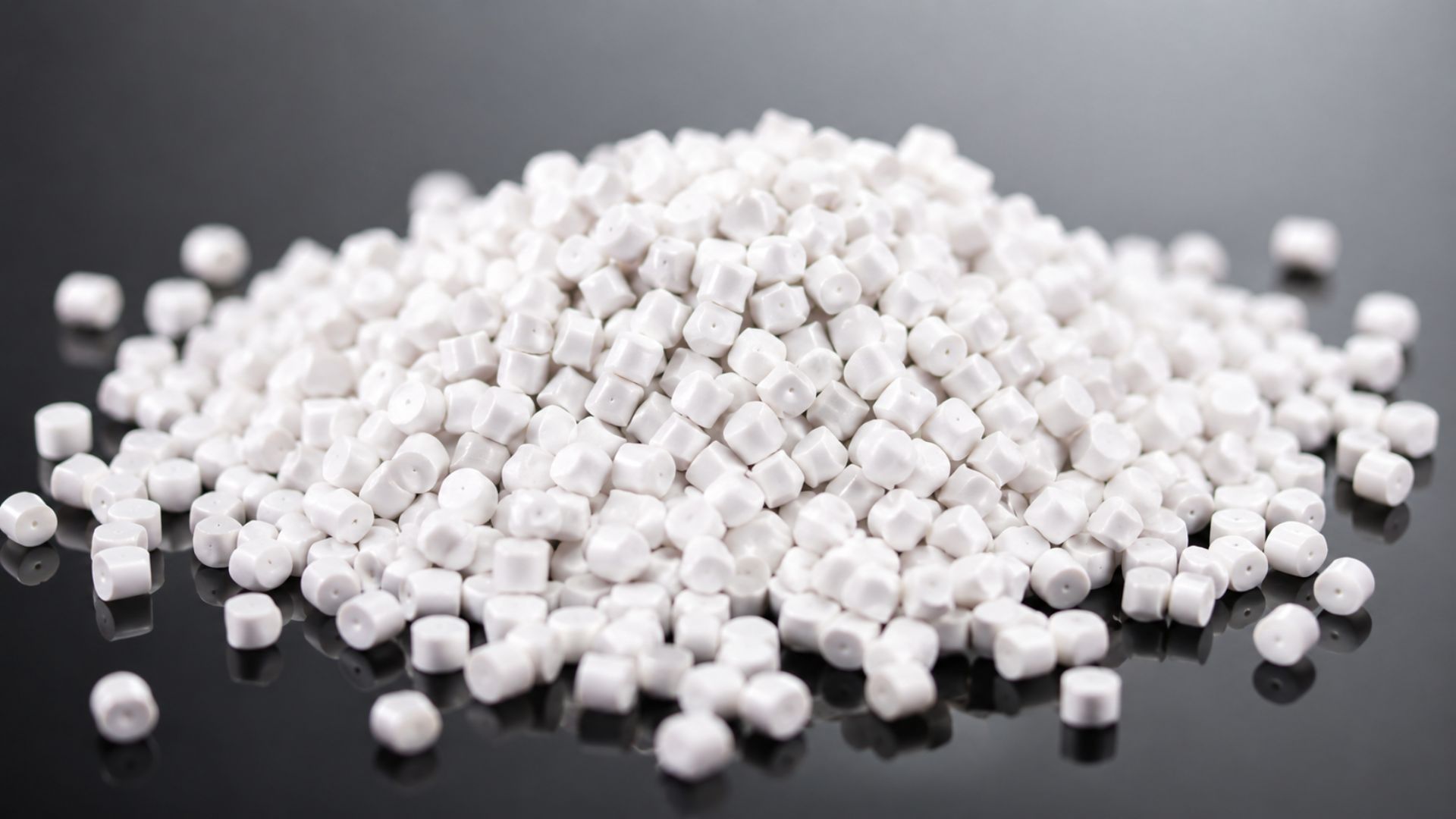
What Is Flame Retardant Masterbatch?
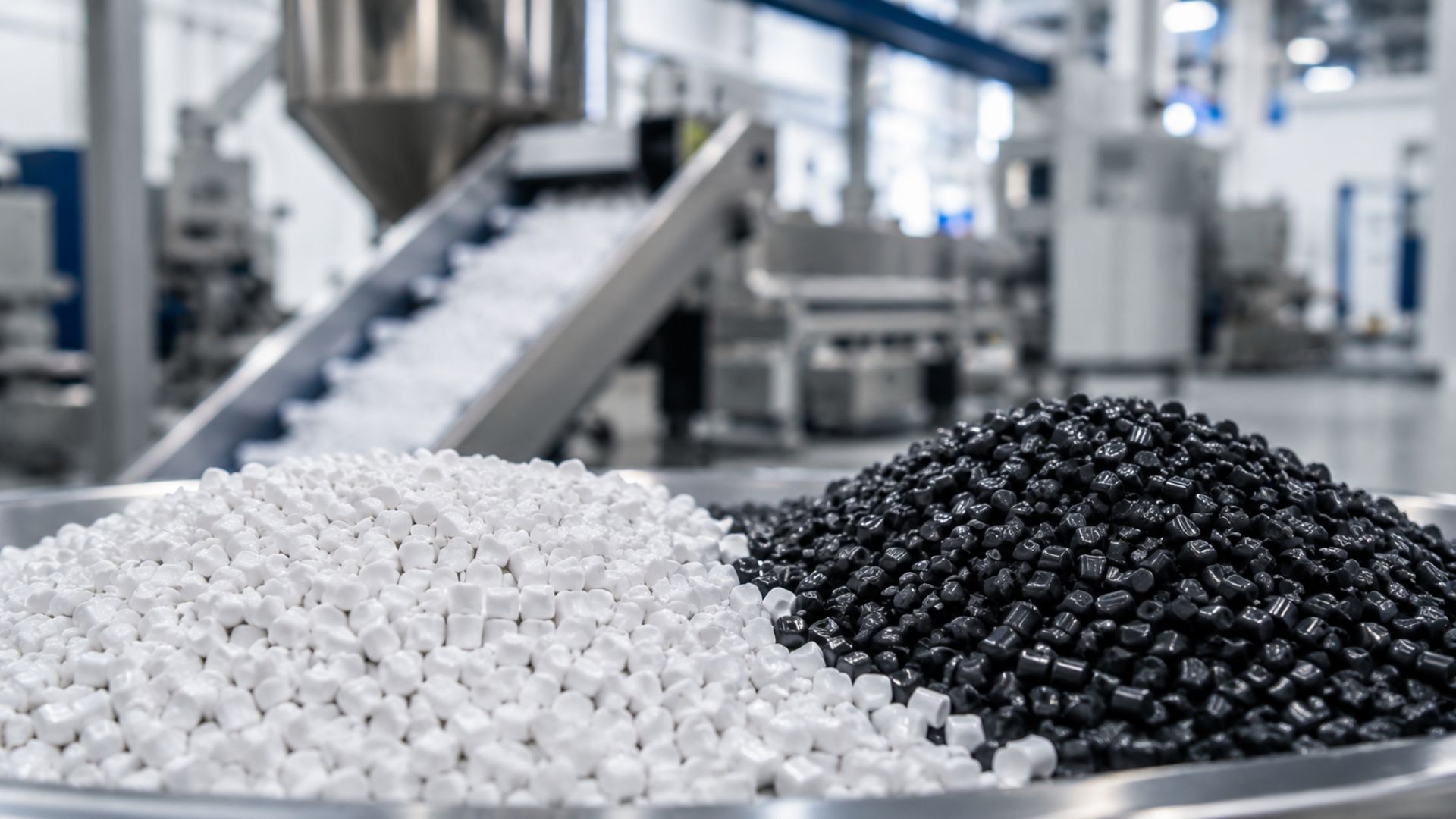
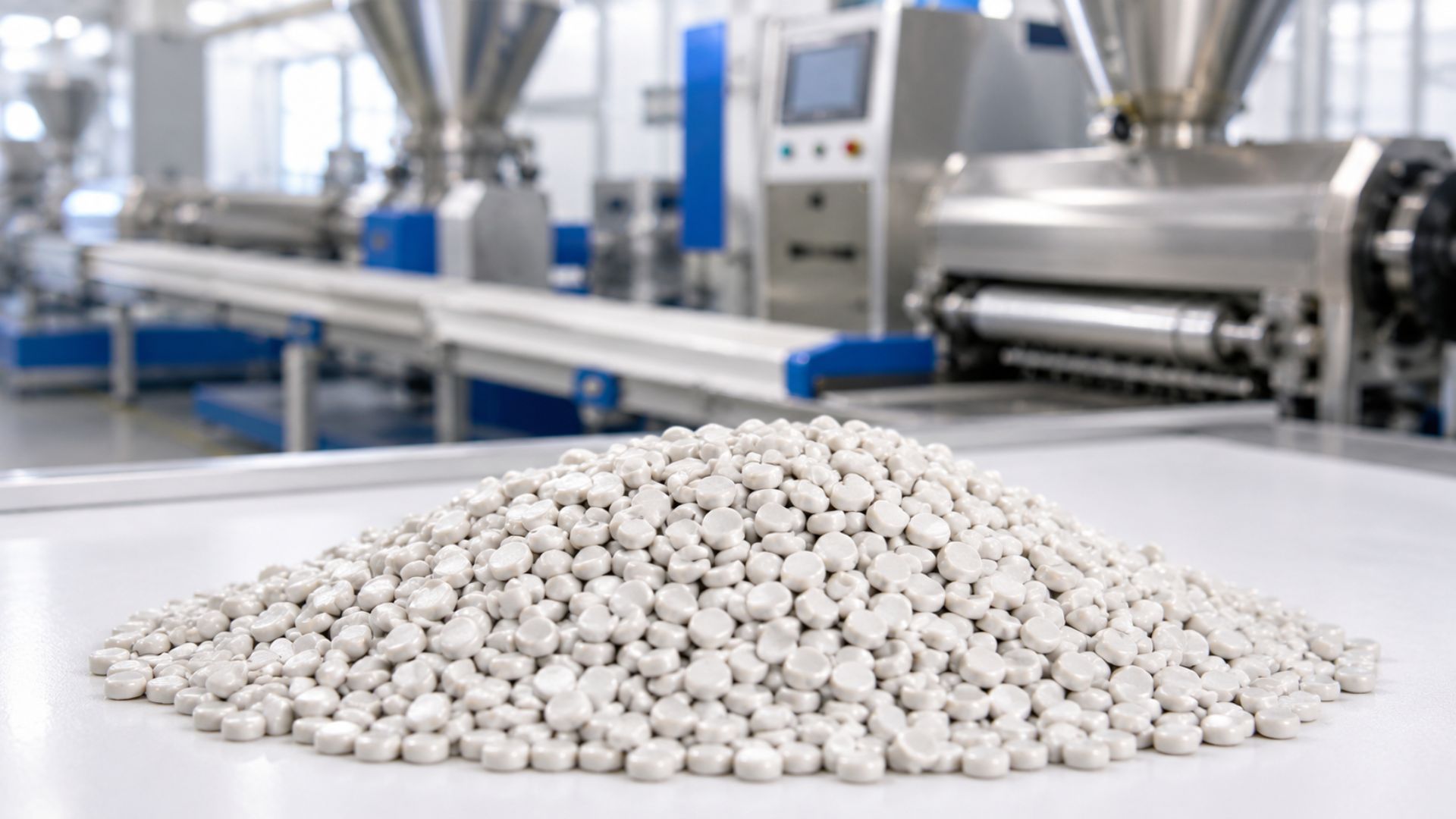
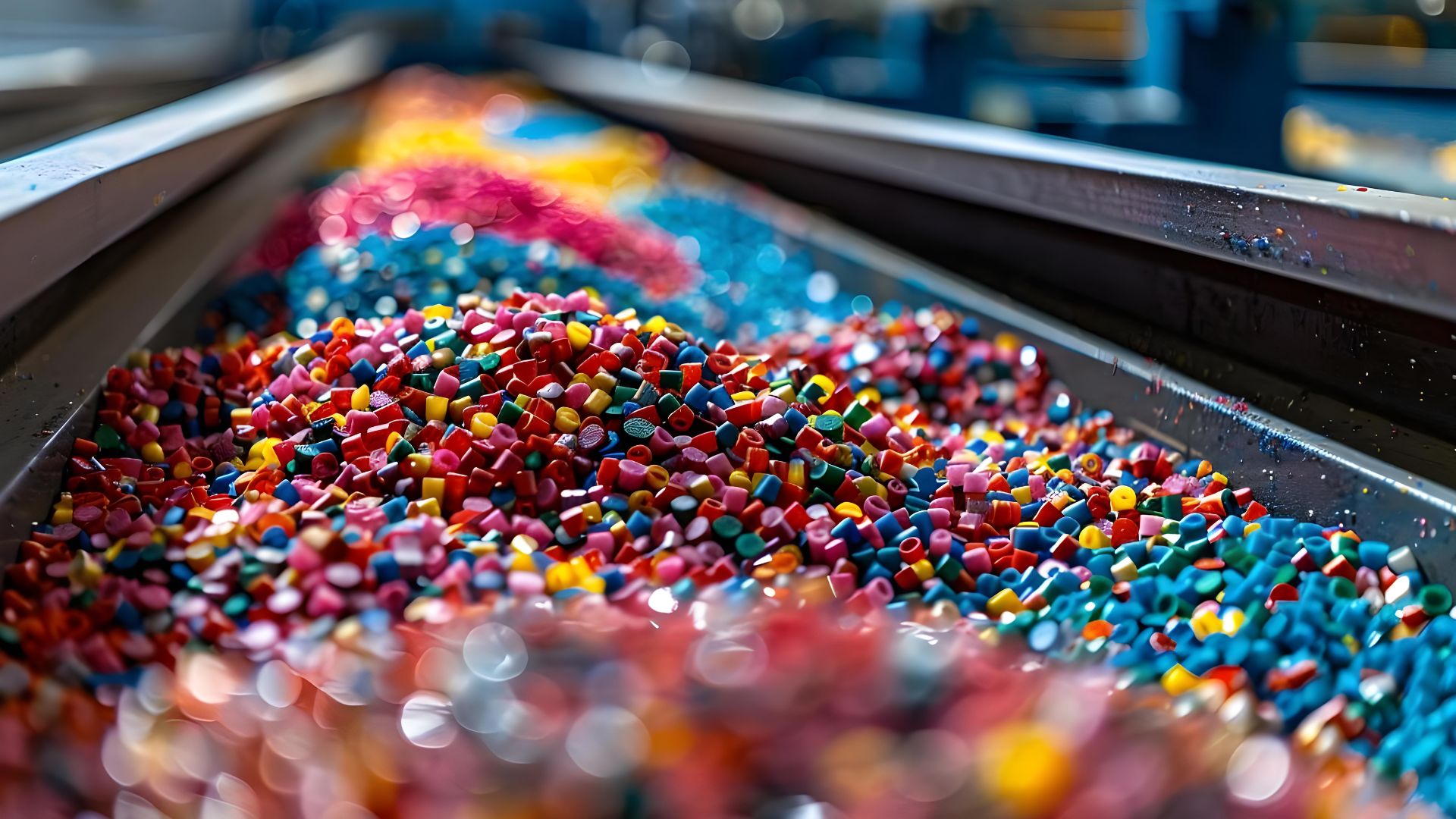
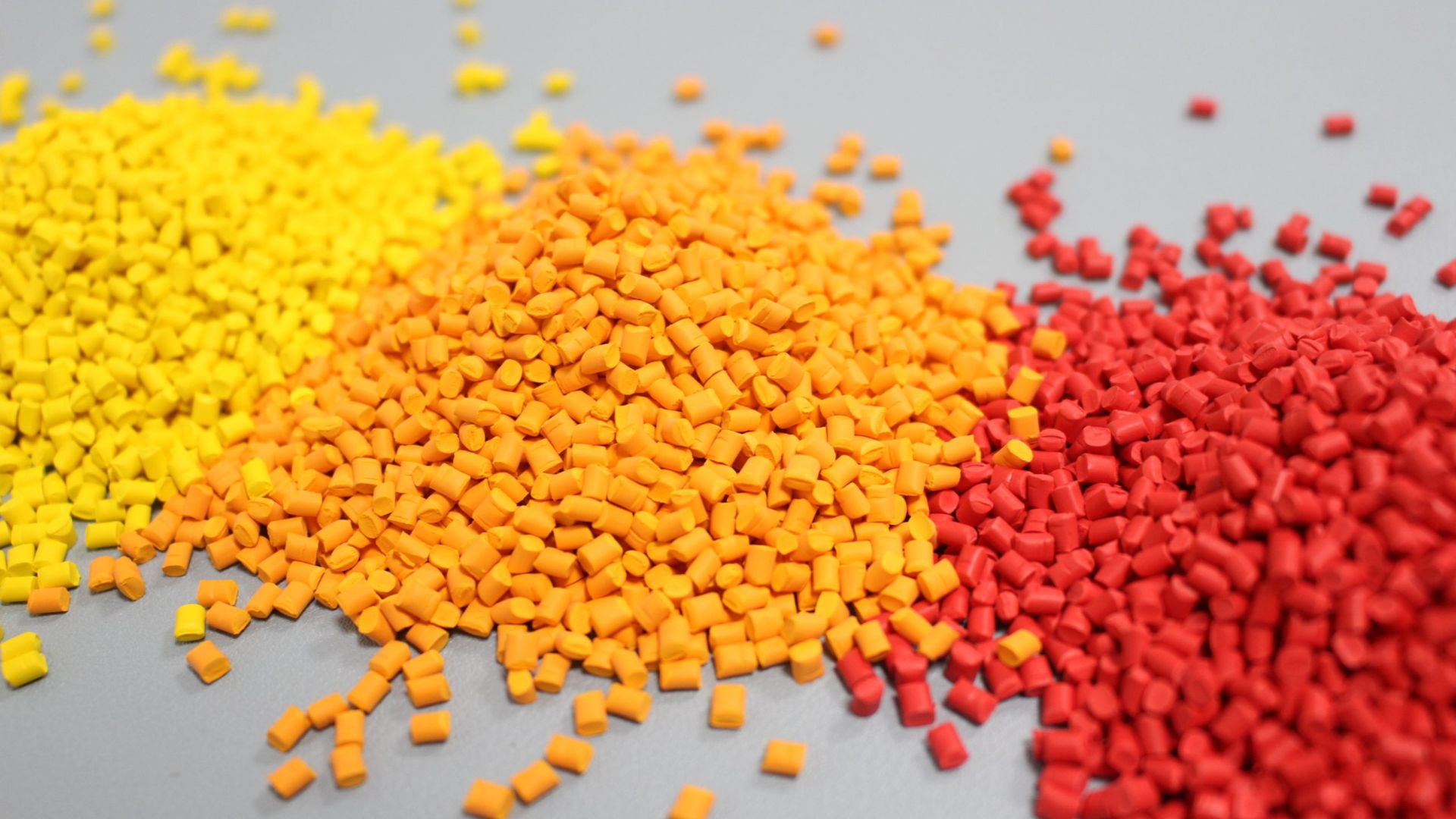
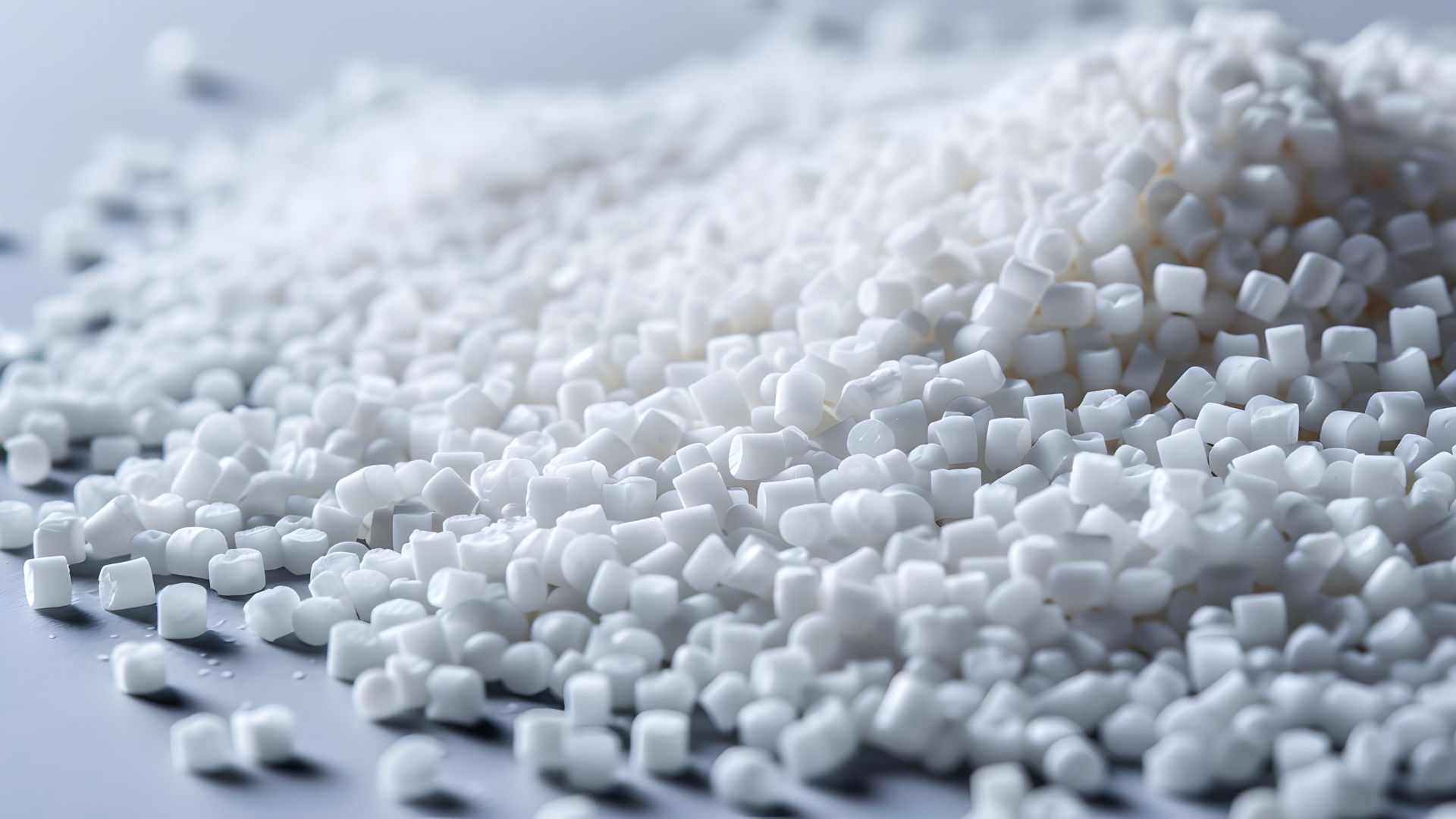
Flame retardant masterbatch is a concentrated additive system designed to reduce the flammability of polymer materials during processing and final application. It normally consists of one or more flame retardant active ingredients dispersed in a polymer carrier resin, together with processing aids, stabilizers, compatibilizers, or synergistic additives, depending on the formulation. The masterbatch is added to the base polymer during extrusion, injection molding, film blowing, compounding, or other plastic processing methods to improve the fire performance of the final product.
From a material science perspective, flame retardant masterbatch does not make plastic completely non-combustible. Instead, it modifies the combustion behavior of the polymer by delaying ignition, reducing flame spread, lowering heat release, promoting char formation, or suppressing combustible gases generated during thermal decomposition. The actual performance depends on the polymer type, flame retardant chemistry, dosage level, dispersion quality, processing conditions, and the fire testing method used to evaluate the final material.
The choice of flame retardant masterbatch is highly application-specific. A formulation suitable for polypropylene may not work effectively in polyamide, ABS, or PC/ABS because each polymer has a different thermal decomposition pathway, processing temperature, polarity, melt viscosity, and compatibility with additives. Therefore, flame retardant masterbatch should be understood as a technical formulation system rather than a single universal additive.
Why Masterbatch Form Is Commonly Used In Plastic Processing
The masterbatch form is widely used in plastic processing because it provides better handling, dosing accuracy, and dispersion control compared with the direct addition of flame retardant powders. Many flame retardant additives are fine powders, which can create dust, feeding instability, workplace cleanliness issues, and uneven distribution in the polymer melt. By pre-dispersing these additives into a carrier resin, masterbatch helps improve process stability and reduces the risk of additive agglomeration during production.
Another important reason is process consistency. In industrial plastic processing, small variations in additive distribution can lead to significant differences in flame retardant performance, mechanical properties, surface quality, and product appearance. Masterbatch allows the processor to introduce flame retardant components in a more controlled and repeatable way, especially when used with automated dosing systems.
The carrier resin also plays an important role. A well-selected carrier should be compatible with the base polymer and should melt properly under the processing conditions. Poor carrier compatibility can lead to phase separation, weak mechanical performance, surface defects, or reduced flame retardant efficiency. For this reason, flame retardant masterbatch for PP, PE, ABS, PA, or PC/ABS is usually formulated differently, even when the same flame retardant chemistry is involved.
Why Plastics Need Flame Retardant Additives
Most common plastics are organic materials composed primarily of carbon and hydrogen. When exposed to sufficient heat, they undergo thermal degradation and generate volatile decomposition products. These volatile gases can ignite in the presence of oxygen and a heat source, leading to sustained combustion. The combustion process is often accompanied by heat release, smoke generation, dripping, and further degradation of the polymer.
The need for flame retardant additives arises from the growing use of plastics in applications where fire safety is a critical requirement. Electrical and electronic components, automotive parts, construction materials, wires and cables, household appliances, textiles, transportation systems, and industrial equipment often require improved fire performance. In these applications, flame retardant systems are used to control ignition behavior, flame propagation, molten dripping, smoke formation, or the ability of the material to self-extinguish.
However, fire performance is not determined by flame retardant loading alone. The geometry of the product, wall thickness, ventilation conditions, polymer grade, filler content, pigment system, and processing history can all affect the final result. A formulation that passes a specific test in one thickness may fail at a thinner section. Therefore, flame retardant design requires both chemical understanding and application-based validation.
How Flame Retardant Masterbatch Works
Flame retardant masterbatch works by interfering with one or more stages of the combustion cycle. Polymer combustion generally involves heating, thermal decomposition, release of combustible gases, ignition, flame propagation, and heat feedback from the flame to the polymer surface. Flame retardant systems are designed to disrupt this cycle through chemical or physical mechanisms.
Some systems act in the gas phase by interfering with radical reactions in the flame. Others act in the condensed phase by promoting char formation on the polymer surface. Mineral flame retardants can absorb heat and release water during decomposition, while intumescent systems create an expanded protective char layer. In many formulations, several mechanisms occur at the same time, and the final flame retardant effect is the result of interaction between active ingredients, synergists, fillers, and the polymer matrix.
Gas phase flame inhibition
Gas phase flame inhibition occurs when flame retardant components interfere with the free radical reactions that sustain combustion in the flame zone. During burning, highly reactive radicals such as hydrogen and hydroxyl radicals play an important role in maintaining the combustion process. Certain flame retardants can reduce the concentration or activity of these radicals, thereby slowing down or interrupting flame propagation.
Halogen-based flame retardants are a typical example of this mechanism. When exposed to heat, they can release halogen-containing species that interact with flame radicals in the gas phase. In many traditional systems, antimony compounds are used as synergists to enhance this radical-quenching effect. This type of system can be highly efficient at relatively low loading levels, which is one reason why halogen-based flame retardants have historically been used in many electrical, electronic, and engineering plastic applications.
However, gas phase inhibition must be evaluated together with other performance factors, including smoke generation, corrosive combustion products, environmental requirements, and regulatory constraints. In many applications, especially those requiring low smoke, low toxicity, or halogen-free classification, alternative flame retardant systems may be preferred.
Char formation and barrier protection
Char formation is a condensed-phase mechanism in which the flame retardant system promotes the formation of a carbonaceous protective layer on the surface of the polymer. This char layer acts as a physical barrier between the flame and the underlying material. It can reduce heat transfer, limit oxygen diffusion, and slow the release of combustible gases from the polymer.
Phosphorus-based flame retardants are often associated with char-promoting behavior, especially in oxygen-containing or nitrogen-containing polymers. In intumescent systems, the char layer may expand during heating, creating a foamed protective structure. This expanded layer improves insulation and helps protect the polymer substrate from further thermal degradation.
The effectiveness of char formation depends strongly on polymer chemistry. Some polymers naturally form more char, while others tend to depolymerize or melt without generating a stable carbonaceous residue. In polyolefins such as PP and PE, which generally have low natural char-forming tendency, intumescent systems must be carefully formulated to create a stable protective barrier. In engineering plastics such as polyamide or polycarbonate blends, the interaction between the polymer backbone and the flame retardant chemistry can significantly affect the quality and durability of the char layer.
Dilution and cooling mechanisms
Dilution and cooling mechanisms are commonly associated with mineral flame retardants such as aluminum hydroxide and magnesium hydroxide. These materials decompose endothermically when exposed to heat, absorbing energy from the system and releasing water vapor. The heat absorption helps cool the polymer surface, while the released water vapor dilutes combustible gases and oxygen near the flame zone.
This mechanism is mainly physical rather than chemical. It can be effective, but it often requires relatively high loading levels because mineral flame retardants are less chemically active compared with halogenated or phosphorus-based systems. High loading can significantly affect mechanical properties, melt flow, density, surface quality, and processing behavior.
The decomposition temperature of the mineral additive must also match the processing and application requirements. Aluminum hydroxide decomposes at a lower temperature than magnesium hydroxide, making it more suitable for some lower-temperature polymers. Magnesium hydroxide is often preferred for higher-temperature processing conditions. If the decomposition temperature is too close to the polymer processing temperature, premature decomposition can occur, leading to moisture release, voids, surface defects, or unstable extrusion.
Synergistic effects between additives
Synergistic effects occur when two or more additives work together to produce a flame retardant performance greater than the effect of each component alone. Synergy is common in flame retardant formulation because combustion is a complex process involving both gas-phase and condensed-phase reactions.
A traditional example is the combination of halogen-based flame retardants with antimony compounds, where the synergist enhances radical inhibition in the flame zone. In halogen-free systems, phosphorus and nitrogen compounds are frequently combined to improve intumescent char formation. Some formulations also use mineral fillers, zinc compounds, borates, silicone-based additives, or nanofillers to improve char stability, reduce dripping, or modify smoke behavior.
Synergy must be validated experimentally because additive interaction is not always positive. Some combinations may reduce mechanical strength, worsen dispersion, increase processing sensitivity, or interfere with stabilization packages. In flame retardant masterbatch development, the formulation must balance fire performance with processability, long-term stability, and end-use requirements.
Key Polymers Used With Flame Retardant Masterbatch
The effectiveness of flame retardant masterbatch depends heavily on the polymer matrix. Each polymer has a specific decomposition profile, melt behavior, polarity, crystallinity, and processing window. As a result, the same flame retardant system may perform very differently across different plastics.
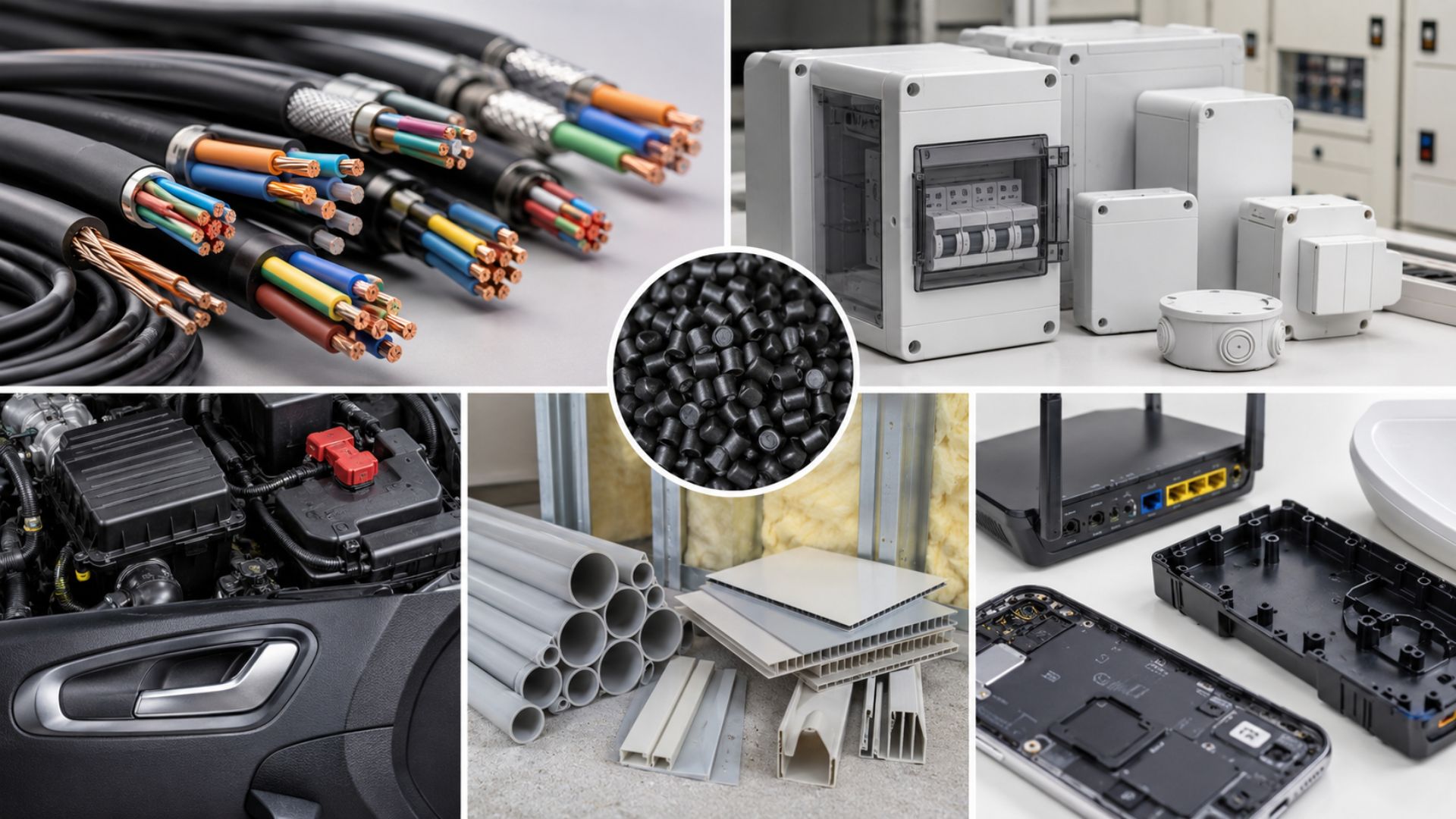
Polyolefins such as PP and PE are widely used but are inherently flammable and tend to melt and drip during burning. Styrenic polymers such as ABS may burn with higher smoke formation due to their aromatic content. Engineering plastics such as PA, PC, and PC/ABS are often used in applications with stricter fire safety requirements, but their processing temperatures and mechanical performance expectations are also higher. This makes polymer-specific formulation essential.
Flame retardant masterbatch for PP
Polypropylene is widely used in automotive parts, electrical components, household goods, packaging, fibers, and industrial products. It has low density, good processability, and balanced mechanical properties, but it is relatively easy to ignite and can continue burning with molten dripping.
Flame retardant systems for PP often require careful control of compatibility and dispersion because PP is non-polar and has limited interaction with many polar flame retardant additives. Intumescent systems are commonly used in halogen-free PP formulations, where phosphorus and nitrogen components promote char formation. Mineral flame retardants can also be used, but the high loading required may reduce impact strength, stiffness balance, and melt flow.
Processing temperature is an important consideration for PP flame retardant masterbatch. Additives must remain stable during compounding and molding, while still activating effectively under fire exposure. Poor thermal stability can cause discoloration, gas release, plate-out, or surface defects during production.
Flame retardant masterbatch for PE
Polyethylene, including LDPE, LLDPE, and HDPE, is used in films, pipes, cables, sheets, containers, and molded products. Like PP, PE is a non-polar polyolefin with high flammability and a tendency to melt and drip during burning. Flame retardant design for PE is often challenging because the polymer has limited char-forming ability and may require higher additive loading to achieve meaningful fire performance.
In wire and cable applications, halogen-free flame retardant PE compounds often use mineral flame retardants such as aluminum hydroxide or magnesium hydroxide. These systems can improve fire performance and reduce halogen-related concerns, but they usually require high mineral loading. This can affect flexibility, elongation, tensile properties, processability, and extrusion speed.
For film and thin-wall applications, formulation becomes more difficult because high additive loading can reduce transparency, toughness, sealing behavior, and surface quality. In these cases, the flame retardant system must be designed with special attention to particle size, carrier compatibility, dispersion, and the target fire test.
Flame retardant masterbatch for PA
Polyamide, commonly known as nylon, is used in electrical connectors, automotive parts, industrial components, cable ties, gears, and engineering applications. PA has higher mechanical strength and thermal resistance than many commodity plastics, but it also has specific formulation challenges due to its polarity, moisture absorption, and relatively high processing temperature.
Flame retardant masterbatch for PA must withstand elevated processing temperatures without decomposition. The additive system must also maintain mechanical properties such as tensile strength, impact resistance, and toughness. Glass fiber-reinforced PA grades are common in engineering applications, and the presence of glass fiber can affect burning behavior, dripping tendency, and char structure.
Phosphorus-based flame retardants are widely used in many halogen-free PA systems. However, the interaction between phosphorus chemistry, polyamide structure, glass fiber, moisture, and processing stabilizers must be carefully controlled. Poor formulation may lead to corrosion, mold deposit, reduced electrical properties, discoloration, or loss of mechanical performance after conditioning.
Flame retardant masterbatch for PC and PC/ABS
Polycarbonate and PC/ABS blends are widely used in electronics, electrical housings, automotive components, office equipment, and high-performance consumer products. These materials often require good dimensional stability, high impact strength, heat resistance, and reliable flame retardant performance.
PC has a natural tendency to form char compared with polyolefins, which can support flame retardant performance. PC/ABS blends combine the heat resistance of PC with the processability and toughness of ABS, but the ABS phase can increase flammability and smoke formation. Therefore, flame retardant systems for PC and PC/ABS must be designed to work with the blend morphology and processing window.
Phosphorus-based flame retardants are commonly used in halogen-free PC/ABS formulations. The challenge is to achieve flame retardancy while preserving impact strength, heat distortion temperature, hydrolytic stability, and surface appearance. Because PC and PC/ABS are often used in high-value technical parts, the formulation tolerance is narrower than in many commodity plastic applications.
Technical Factors Affecting Flame Retardant Performance
The effectiveness of a flame retardant masterbatch depends not only on the additive itself but also on formulation design and processing conditions. Key factors include:
Dosage level
The dosage must be carefully optimized. Insufficient loading may fail to provide adequate flame protection, while excessive loading can negatively affect mechanical properties, processability, and surface appearance. The required dosage varies depending on polymer type, product thickness, and target fire standard.
Polymer compatibility
Good compatibility between the flame retardant masterbatch and the base polymer ensures uniform distribution and stable long-term performance. Poor compatibility can lead to phase separation, additive migration, processing instability, and inconsistent flame retardant results.
Dispersion quality
Uniform dispersion is essential for effective flame retardancy. Poorly dispersed additives may create weak points, reduce mechanical strength, and cause inconsistent fire performance. Processing equipment, screw design, and compounding conditions all influence dispersion quality.
Processing temperature
Flame retardant additives must remain stable during processing while activating under fire conditions. Excessive processing temperatures can cause additive degradation, discoloration, gas generation, or performance loss. Proper drying is also important, particularly for hygroscopic polymers.
Impact on mechanical properties
Flame retardant additives can affect impact strength, elongation, flexibility, and other mechanical properties. Therefore, formulation development should balance fire resistance with the mechanical performance required for the final application.
Limitations Of Flame Retardant Formulations
Flame retardant formulations have technical limitations that must be understood before application. The first limitation is that flame retardancy is test-specific. Passing one fire test does not guarantee performance under all fire scenarios. Different tests evaluate different aspects of burning behavior, such as ignition time, flame spread, dripping, smoke, oxygen requirement, or heat release. A material may perform well in one test but poorly in another.
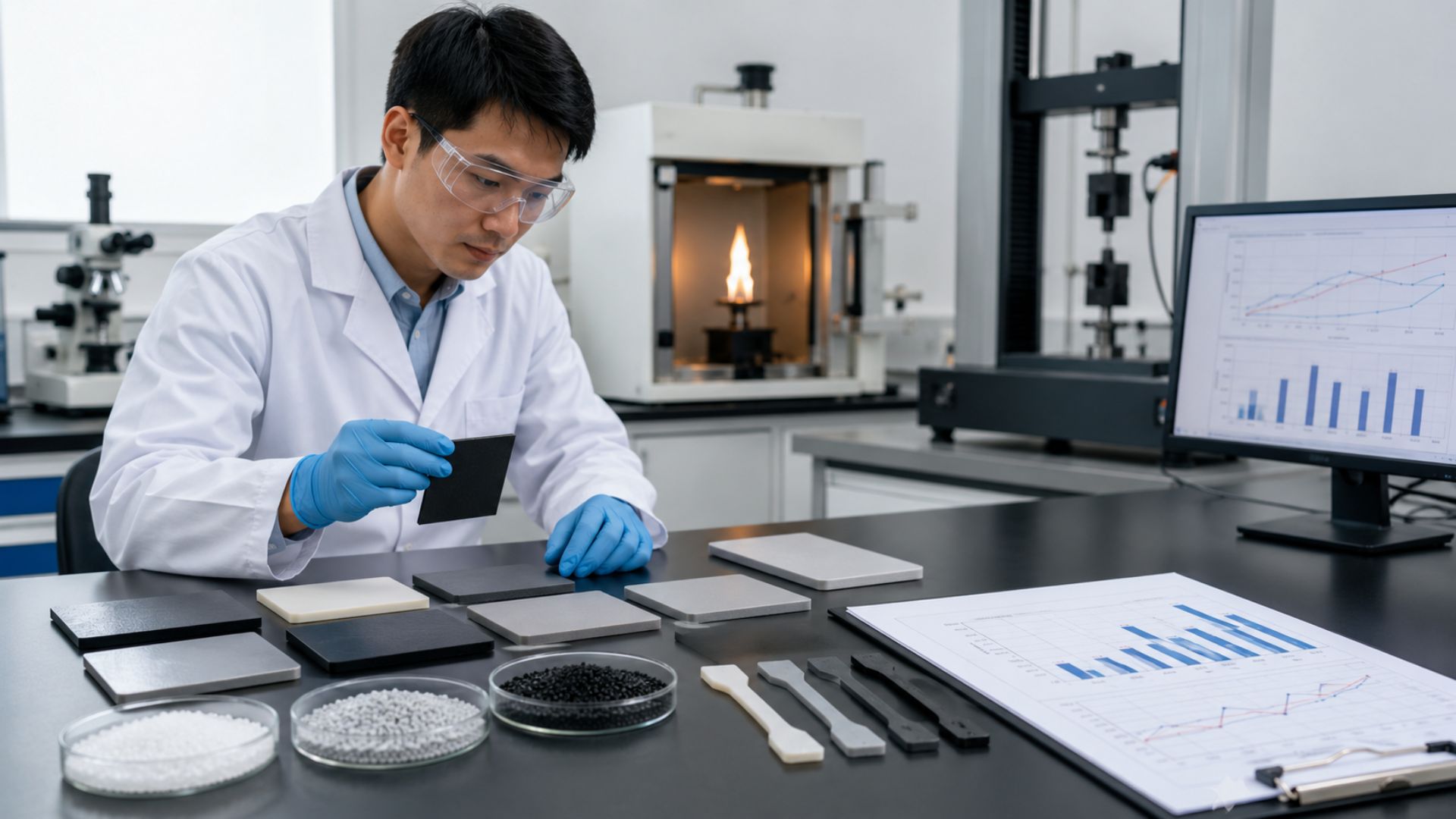
The second limitation is the trade-off between flame retardancy and material properties. Increasing flame retardant loading can improve fire performance but may reduce toughness, flexibility, processability, surface quality, or aging resistance. This trade-off is especially important in thin-wall parts, flexible products, films, cables, and high-impact applications.
The third limitation is polymer dependence. Flame retardant systems cannot be transferred directly from one polymer to another without reformulation. PP, PE, ABS, PA, PC, and PC/ABS have different combustion mechanisms and processing conditions. A system designed for PP may be ineffective or unstable in PA. A formulation that works in thick injection-molded parts may fail in thin film or fiber applications.
The fourth limitation is processing sensitivity. Some flame retardant systems are sensitive to temperature, shear, residence time, moisture, or interaction with pigments and stabilizers. Poor processing control can result in inconsistent performance, surface defects, mold deposits, or material degradation.
Finally, flame retardant selection increasingly involves environmental, regulatory, and application-specific considerations. Halogen-free requirements, smoke toxicity concerns, recycling compatibility, electrical properties, and long-term aging performance may influence formulation design. The technically appropriate solution is not always the system with the highest flame retardant efficiency, but the system that provides a balanced performance profile for the intended application.
Conclusion
Flame retardant masterbatch is a specialized additive used to improve the fire resistance of plastic materials by influencing ignition, flame spread, heat release, and char formation. Its performance depends on multiple factors, including flame retardant chemistry, polymer type, dosage, dispersion quality, and processing conditions.
To achieve optimal results, manufacturers must balance fire performance with processability, mechanical properties, and long-term product stability. Therefore, flame retardant masterbatch should be selected and evaluated according to the specific polymer, application requirements, and target fire safety standards.