One common challenge in film production is blocking, which occurs when adjacent film layers stick together during winding, storage, or transportation. This can lead to poor roll unwinding, machine feeding issues, increased waste, and reduced productivity.
To address this problem, manufacturers incorporate antiblock masterbatch into film formulations. Antiblock additives create microscopic surface roughness that reduces the contact area between film layers, lowering blocking force and improving film opening performance. When properly selected, antiblock masterbatch enhances handling and processing efficiency while maintaining the film’s optical, mechanical, and sealing properties. This article by CVN PLASTICS explores the working principles, types, benefits, limitations, and selection criteria of antiblock masterbatch for film production.
What Is Antiblock Masterbatch?
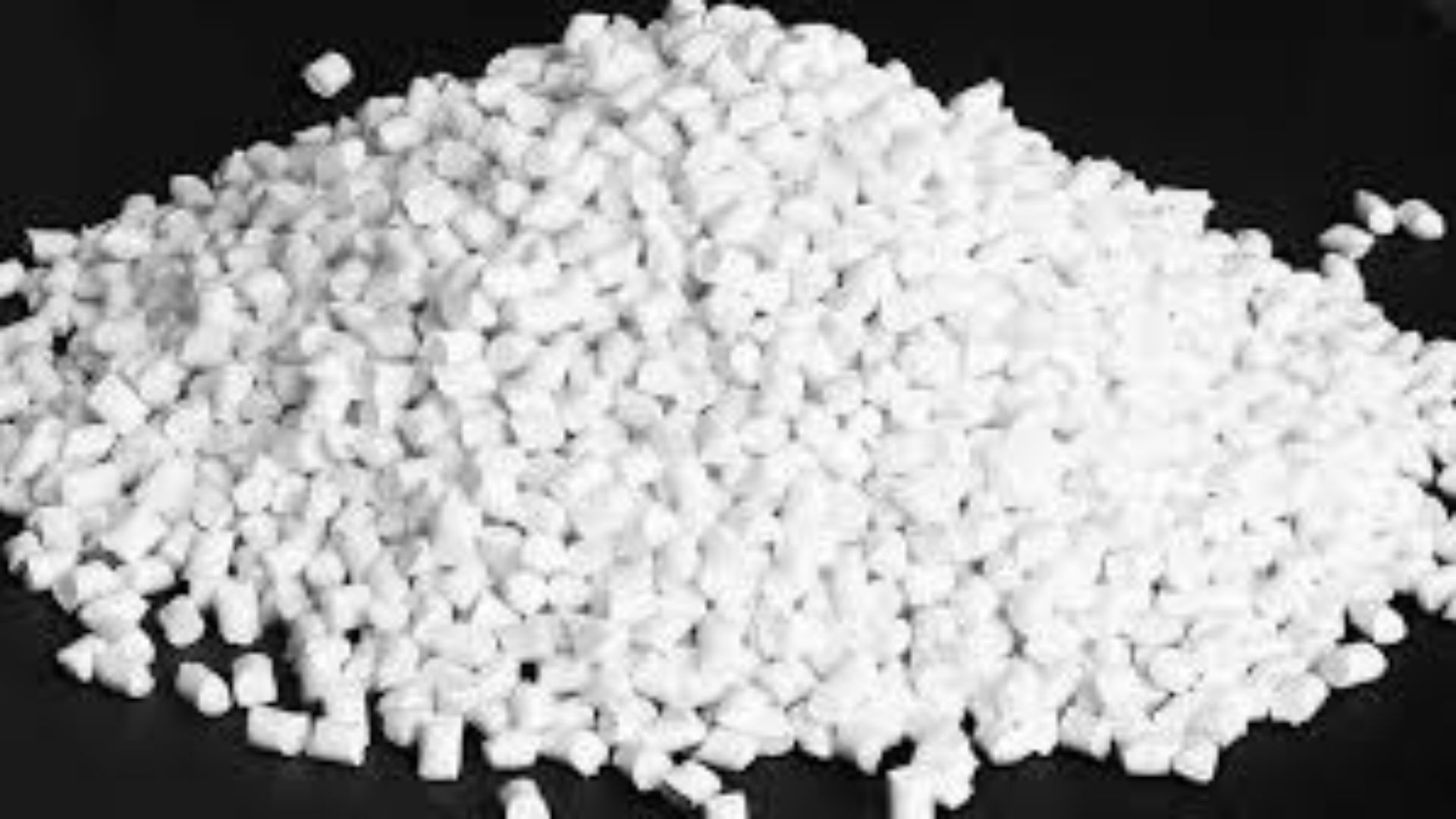
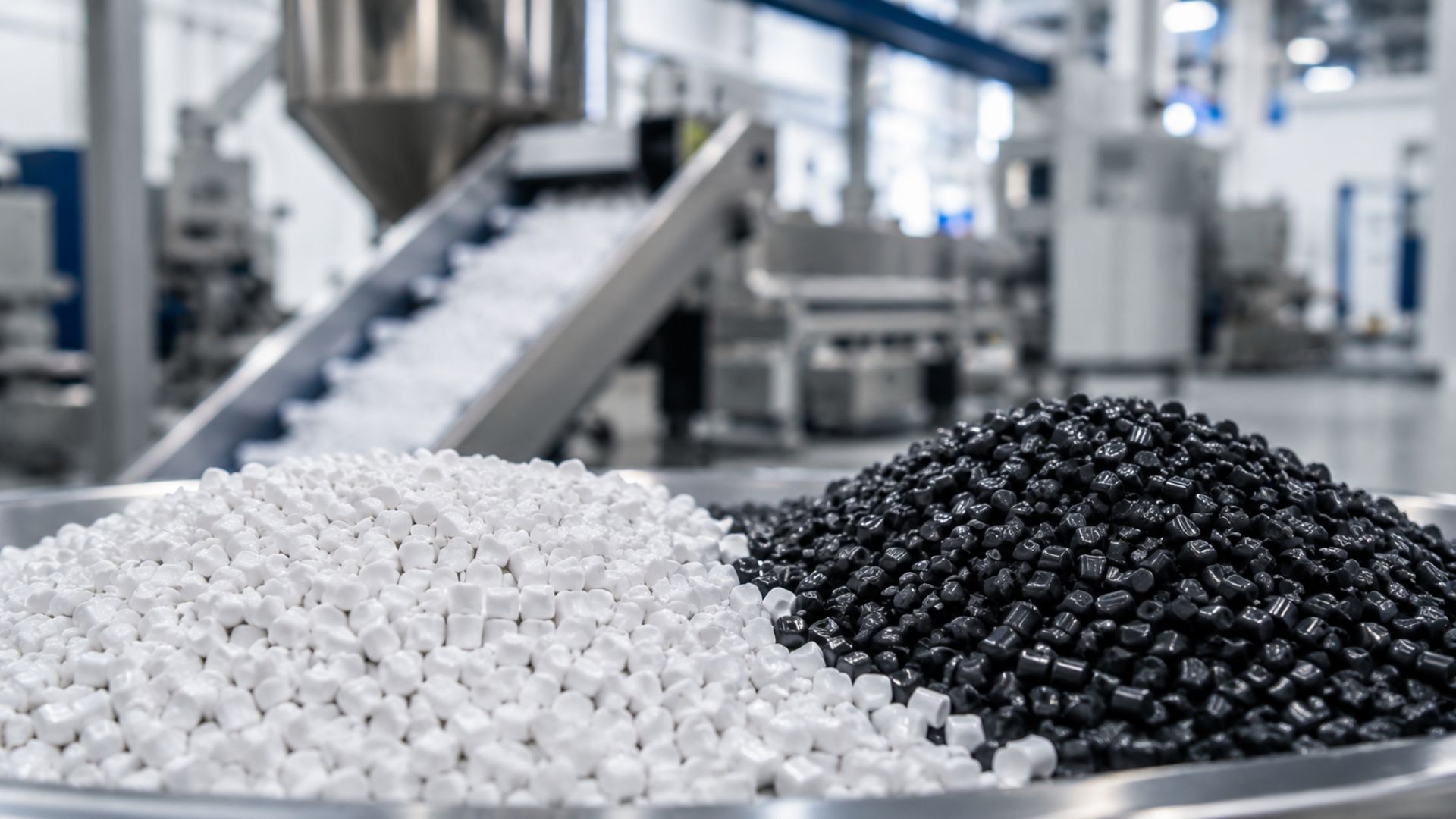
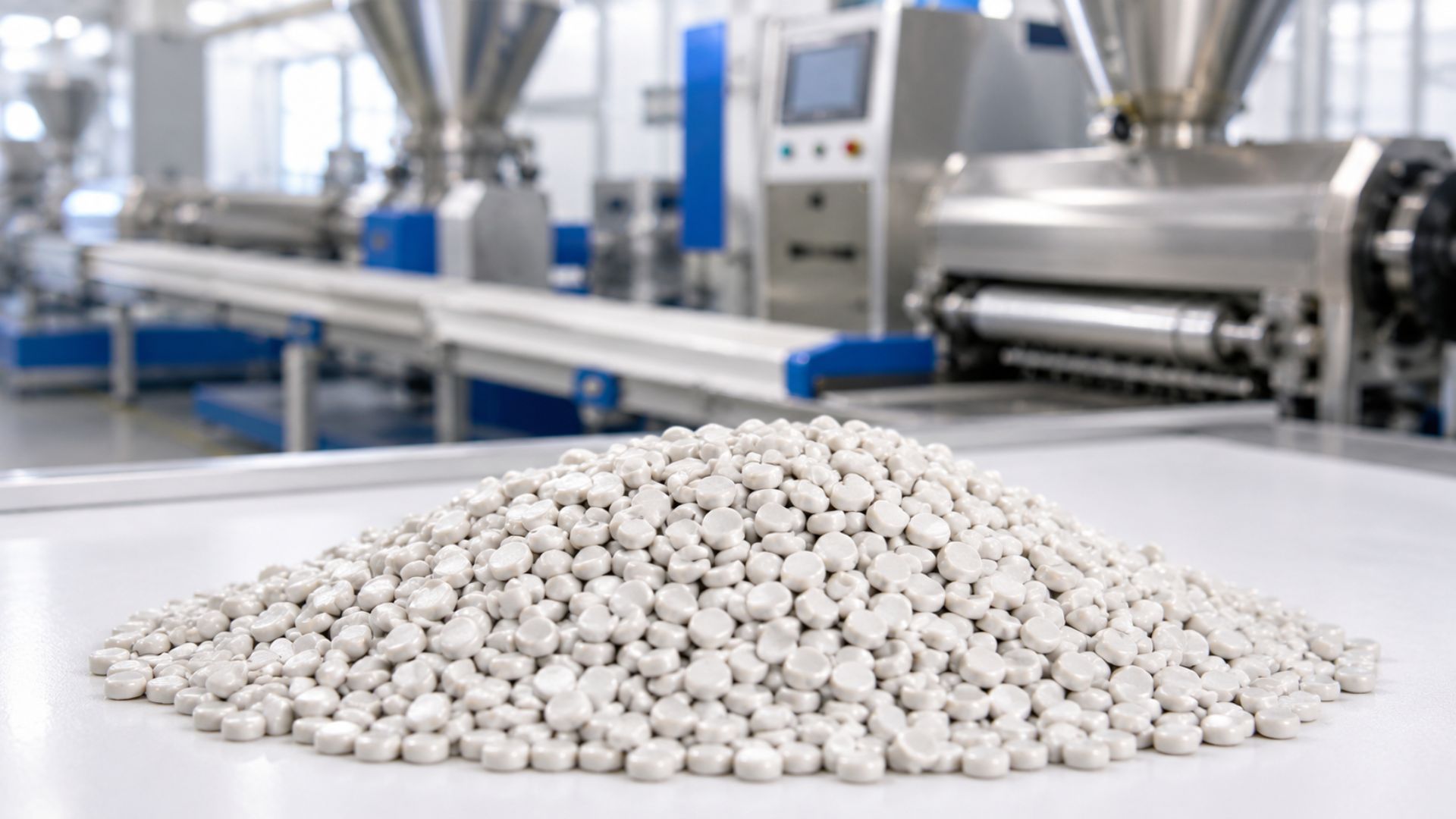
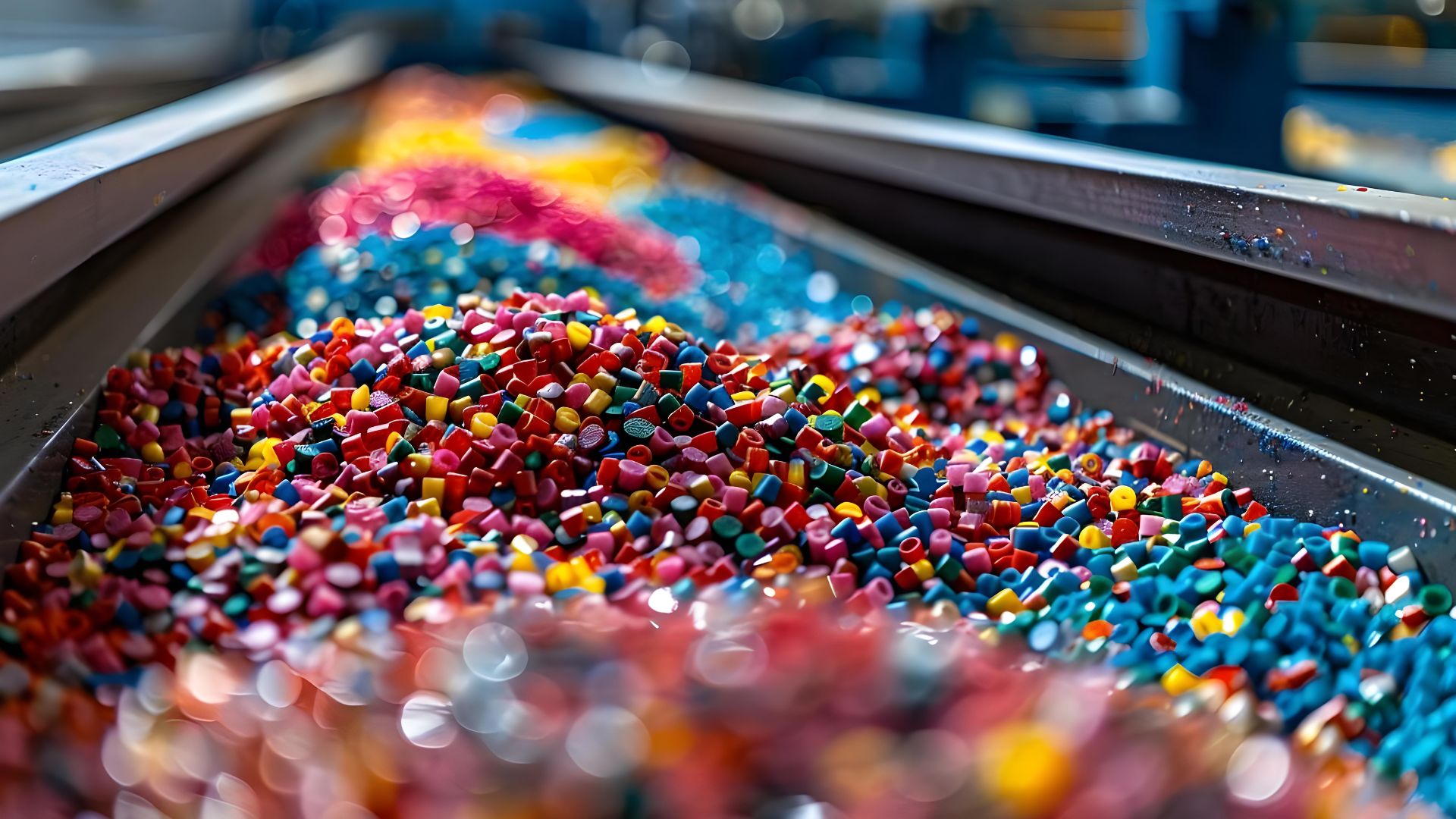
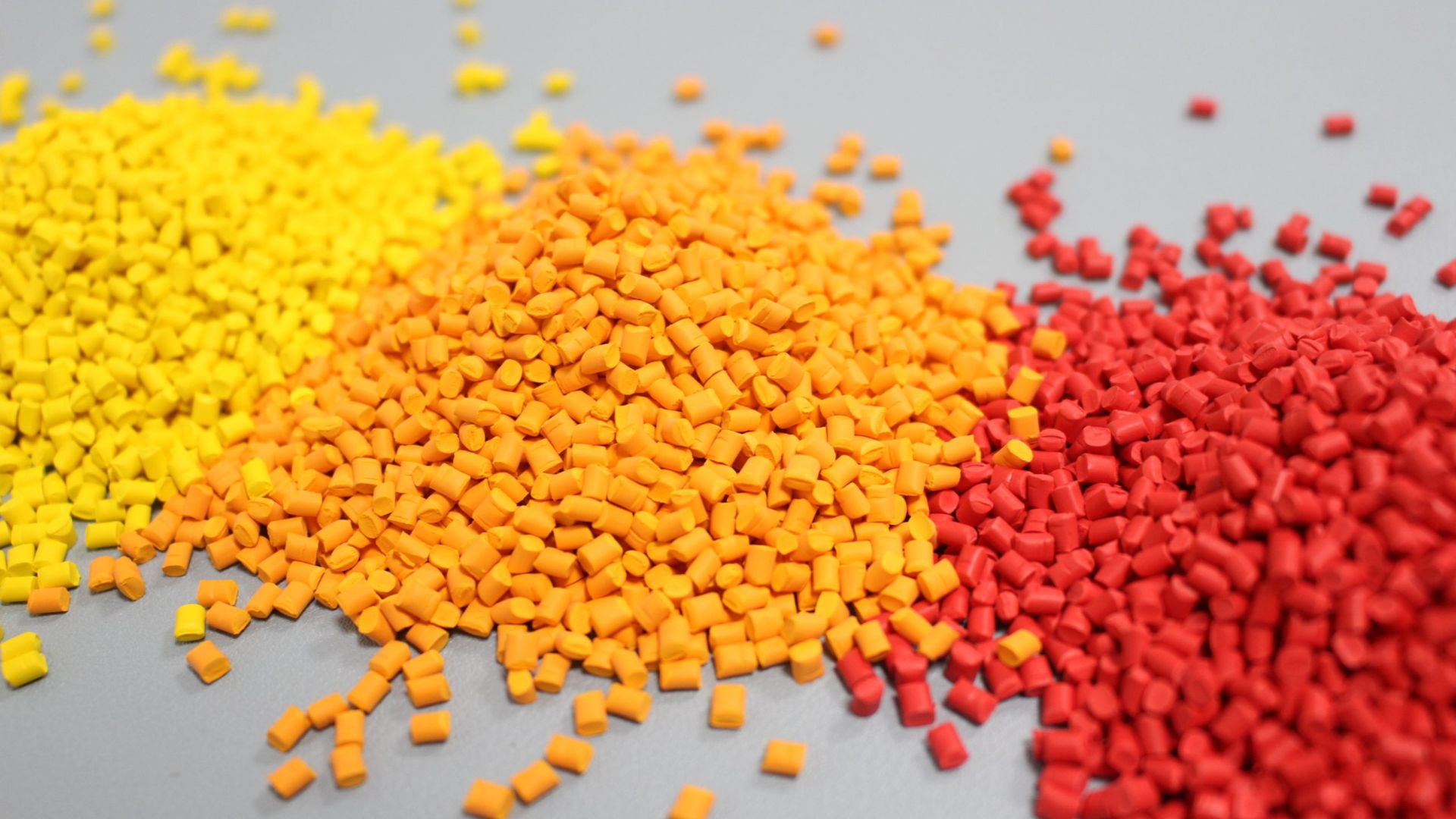
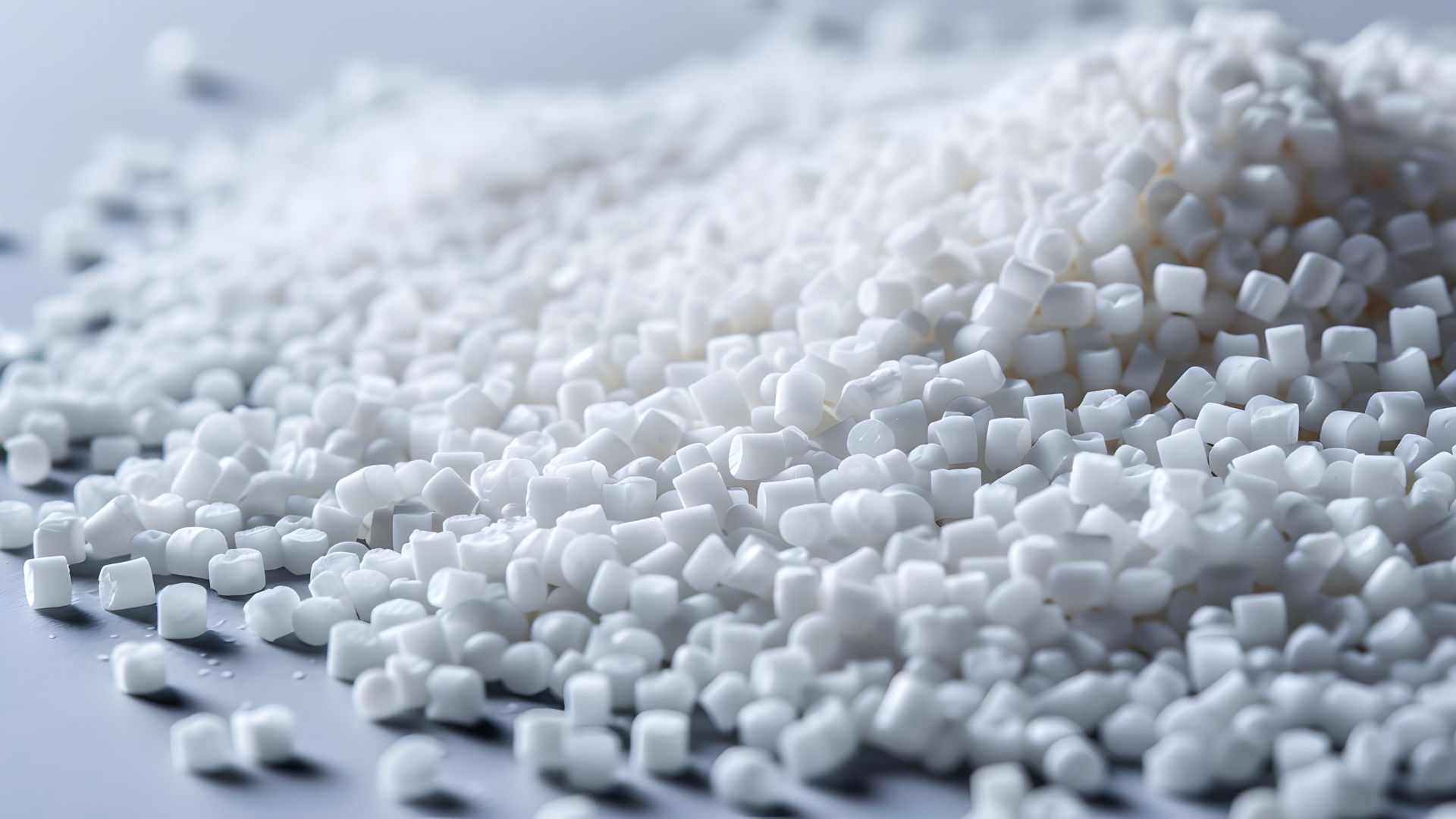
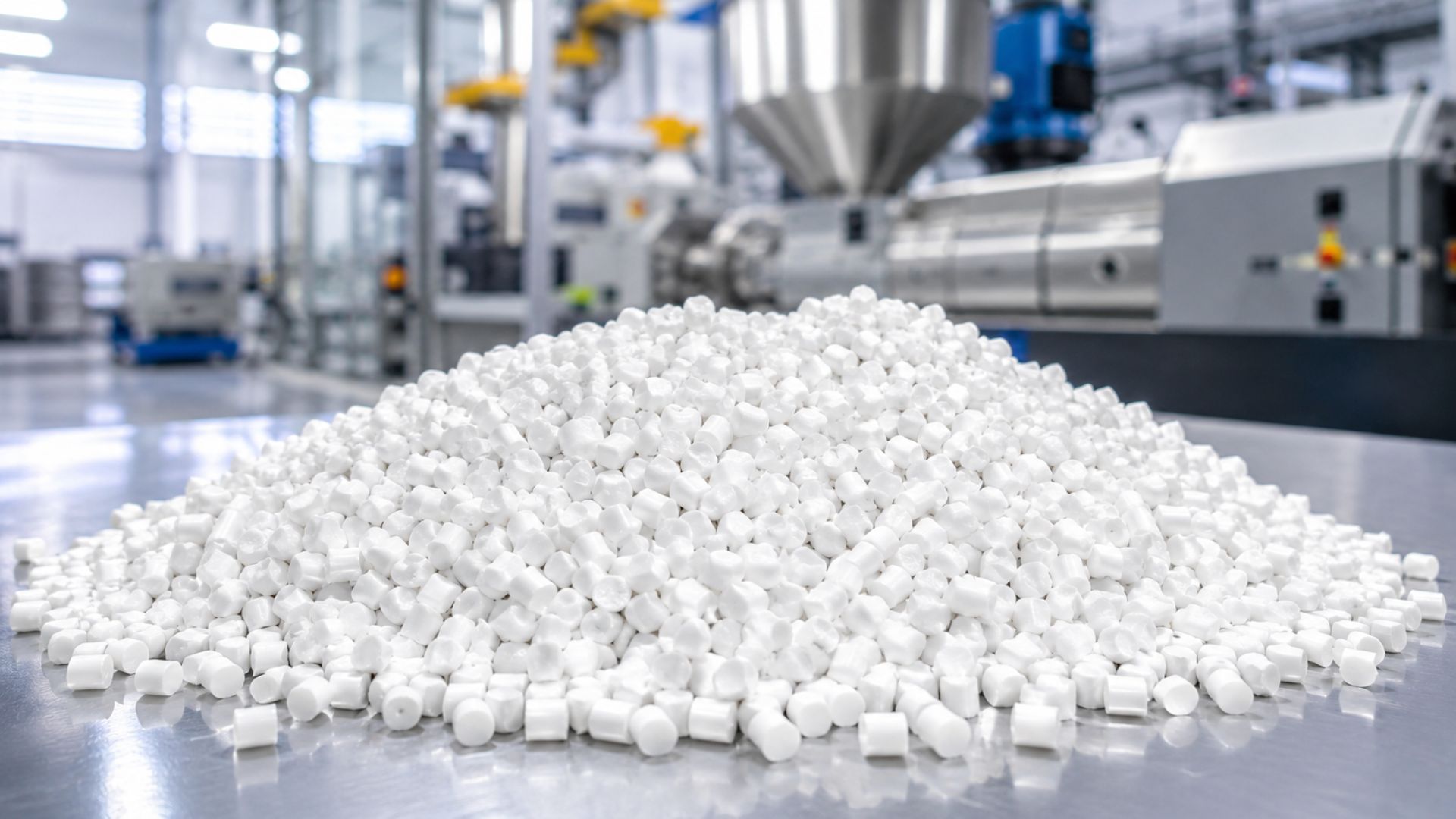
Antiblock masterbatch is a concentrated additive formulation designed to reduce the adhesion between plastic film surfaces. It consists of finely dispersed antiblock particles incorporated into a carrier resin that is compatible with the base polymer, typically polyethylene or polypropylene. During extrusion, the masterbatch is blended with virgin resin, allowing the additive particles to become uniformly distributed throughout the polymer melt before solidification.
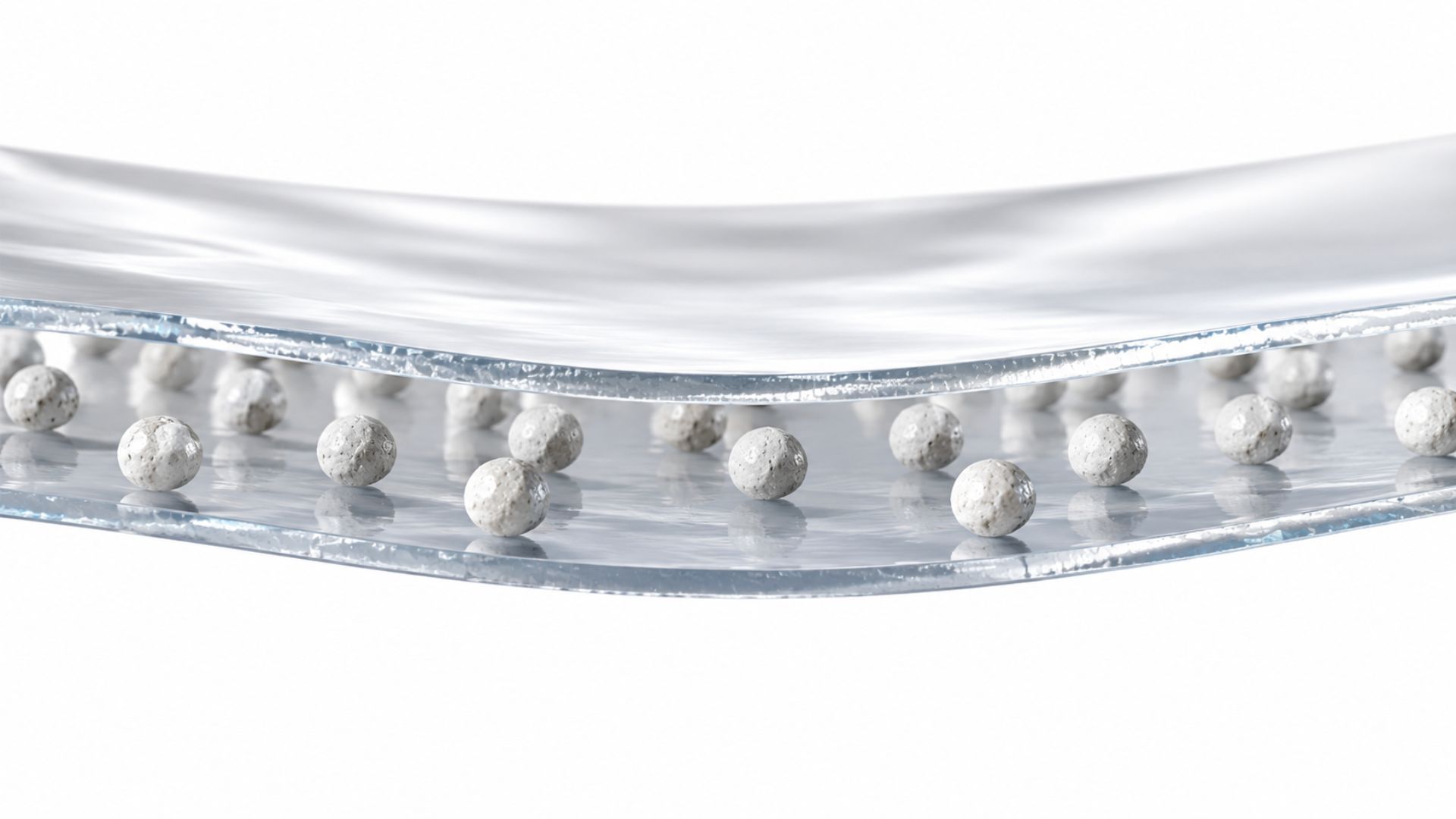
Unlike processing aids or lubricants, antiblock masterbatch does not significantly alter the bulk mechanical properties of the polymer. Instead, it modifies the physical characteristics of the film surface at the microscopic level. After cooling, some additive particles become partially exposed on the film surface, creating numerous microscopic protrusions known as surface asperities. These asperities prevent two smooth polymer surfaces from making intimate contact, thereby reducing intermolecular attraction and making the film much easier to separate.
The effectiveness of antiblock masterbatch depends on several formulation parameters, including particle size, particle hardness, concentration, morphology, dispersion quality, and compatibility with the carrier resin. These variables influence not only antiblock performance but also optical properties such as haze, gloss, and transparency.
How Does Antiblock Masterbatch Work?
Antiblock masterbatch reduces film blocking by creating microscopic surface irregularities that limit direct contact between adjacent film layers. Its performance depends on several factors, including surface roughness, contact area reduction, particle size, and dispersion quality.
Surface roughness mechanism
Antiblock masterbatch functions by creating controlled microscopic roughness on the film surface. During cooling, antiblock particles partially protrude from the polymer matrix, forming numerous microscopic contact points. This reduces the actual contact area between adjacent film layers, lowering the intermolecular forces responsible for blocking and improving film opening performance. The roughness level must be carefully balanced to achieve effective antiblock performance without negatively affecting haze, gloss, or appearance.
Reducing the contact area between film layers
Blocking is primarily determined by the real contact area between film surfaces. Antiblock particles act as microscopic spacers that support applied pressure and maintain tiny air gaps between adjacent layers. By reducing direct surface-to-surface contact, they significantly decrease attractive molecular forces, allowing films to separate more easily during unwinding and converting operations. This explains why relatively low additive concentrations can effectively reduce blocking force.
Role of particle size and dispersion
Particle size and dispersion are critical to antiblock performance. Particles that are too small may not generate sufficient surface roughness, while excessively large particles can increase haze and reduce surface quality. The optimal particle size depends on film thickness and optical requirements. Uniform particle size distribution and good dispersion ensure consistent performance, whereas particle agglomeration may cause defects, optical imperfections, and processing instability. Therefore, high-quality antiblock masterbatch is designed to provide uniform particle distribution and stable film performance.
Antiblock vs Slip Masterbatch
Although antiblock and slip masterbatches are often used together in film production, they function through different mechanisms and address different processing challenges. Antiblock masterbatch reduces film-to-film adhesion by creating microscopic surface roughness. The protruding particles decrease the actual contact area between adjacent film layers, making films easier to separate during unwinding and handling. In contrast, slip masterbatch reduces surface friction. It typically contains fatty acid amides that migrate to the film surface, forming a thin lubricating layer that lowers the coefficient of friction and improves film movement through converting equipment.
Key Performance Benefits
The primary benefit of antiblock masterbatch is the improvement of film opening characteristics throughout manufacturing and downstream converting. By reducing blocking force, films unwind more consistently, separate more easily, and feed more reliably into automated packaging equipment. Stable film opening minimizes machine interruptions and contributes to higher production efficiency.
Another significant advantage is the reduction of blocking during roll storage. Freshly extruded films are often wound while still retaining residual heat, and the pressure generated within large rolls may remain for extended periods during transportation or warehousing. Under these conditions, untreated films are susceptible to strong interlayer adhesion. Properly formulated antiblock masterbatch maintains sufficient separation between film layers, allowing rolls to be unwound smoothly even after prolonged storage.
Improved process stability is another important outcome. Film producers frequently operate extrusion lines at increasingly higher speeds to maximize productivity. Consistent antiblock performance helps maintain stable web tension and reduces the likelihood of web breaks, film stretching, or irregular feeding caused by inconsistent opening forces.
Antiblock masterbatch also contributes indirectly to product quality. Films that separate cleanly are less likely to experience surface scratches, localized deformation, or damage during handling. This is particularly important for transparent packaging films where even minor surface defects can reduce visual appearance and product value.
When appropriately selected, antiblock masterbatch provides these benefits while preserving mechanical strength, heat-sealing performance, printability, and optical quality. The ability to achieve an effective balance between antiblock performance and film appearance remains one of the most important considerations during formulation development.
Applications In Plastic Film Manufacturing
Antiblock masterbatch is predominantly used in polyolefin film production, where reliable film opening is essential for both manufacturing efficiency and end-use performance. Its applications extend across numerous film structures and processing technologies.
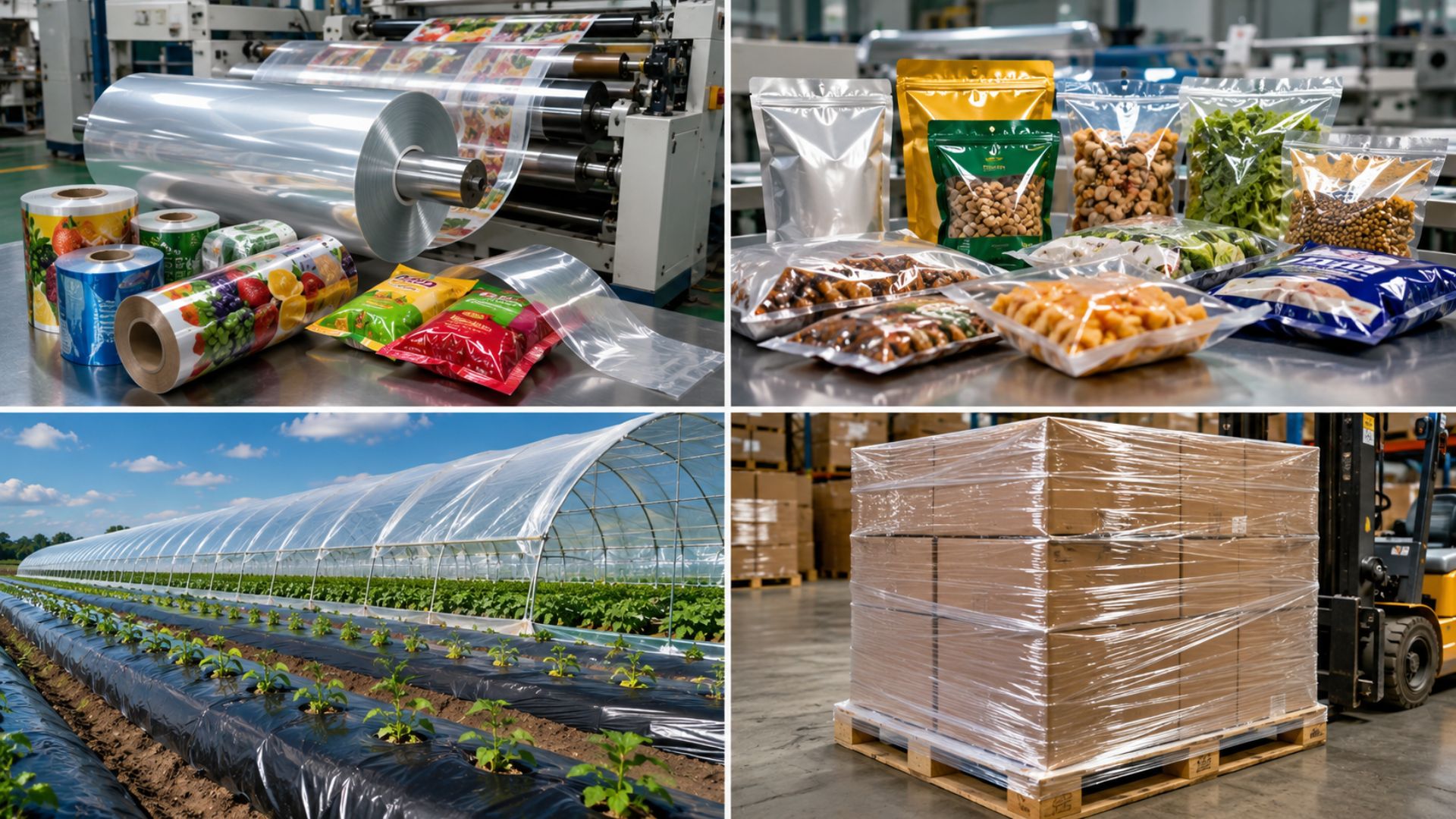
Blown polyethylene film represents one of the largest application areas. Packaging films, shopping bags, refuse sacks, industrial liners, and agricultural films all require consistent separation after winding. Without adequate antiblock performance, these products may become difficult to open during downstream processing or by the final user.
Cast polypropylene (CPP) and biaxially oriented polypropylene (BOPP) films also rely heavily on antiblock technology. These films are widely used in food packaging, labels, lamination structures, and high-speed packaging systems where stable unwinding and low blocking force are critical.
Stretch films and shrink films benefit from carefully controlled antiblock performance as well. Excessive blocking may interfere with roll handling and machine operation, whereas excessive surface roughness may compromise optical appearance. Consequently, these applications require formulations that achieve an appropriate balance between film opening and transparency.
Agricultural films, including greenhouse films and mulch films, often remain wound for long periods before installation. Effective antiblock additives prevent severe adhesion during storage while maintaining the durability required for outdoor applications.
Beyond conventional packaging, antiblock masterbatch is also used in protective films, lamination films, hygiene packaging, thermoforming sheets, and various industrial films where smooth separation between polymer layers is essential.
Recommended Loading Levels
The optimal loading level of antiblock masterbatch depends on factors such as film type, particle characteristics, processing conditions, and end-use requirements. In most polyolefin film applications, addition rates typically range from 1–5% of the total formulation. Thin, high-clarity films generally require lower loading levels, while thicker industrial films can accommodate higher concentrations for enhanced antiblock performance.
However, excessive dosage may increase haze, reduce gloss, and negatively affect mechanical or sealing properties. Therefore, the ideal loading level should be determined through testing and production trials.
How To Select The Right Antiblock Masterbatch
Selecting the right antiblock masterbatch requires balancing antiblock efficiency with optical, mechanical, and processing performance.
Base resin compatibility
The resin should be compatible with the base polymer, such as PE, PP, BOPP, or CPP, to ensure uniform dispersion and stable processing.
Particle size and transparency requirements
Particle size should match the optical requirements of the film. Fine particles are preferred for high-clarity packaging films, while larger particles may be suitable for applications where transparency is less critical.
Film thickness and surface quality
Film thickness influences particle selection and loading levels. Surface properties such as gloss, printability, sealing performance, and appearance should also be considered, especially for consumer packaging.
Processing Conditions And End-Use Application
Extrusion conditions, cooling rates, and winding parameters can affect antiblock performance. In addition, different applications, including food packaging, industrial films, agricultural films, and medical packaging, have specific requirements that should be considered when selecting a formulation.
Conclusion
Antiblock masterbatch is an essential additive for plastic film production, helping reduce film blocking and improve processing efficiency. By selecting the appropriate additive type, particle size, and loading level, manufacturers can achieve reliable film opening while maintaining the desired optical, mechanical, and sealing properties for various applications.