Plastic materials are widely used in outdoor and semi-outdoor applications because they are lightweight, cost-effective, flexible in design, and suitable for mass production. However, most polymers are not naturally stable under long-term sunlight exposure. When plastic products are exposed to ultraviolet (UV) radiation, heat, oxygen, humidity, and environmental stress at the same time, their physical and visual properties can gradually deteriorate.
UV masterbatch is used to reduce this degradation process. During plastic processing, this masterbatch is mixed with the base resin to improve the material’s resistance to sunlight and extend the service life of the final product. Find out why UV masterbatch is essential for outdoor plastic products in this blog post of CVN PLASTICS.
What Is UV Masterbatch?
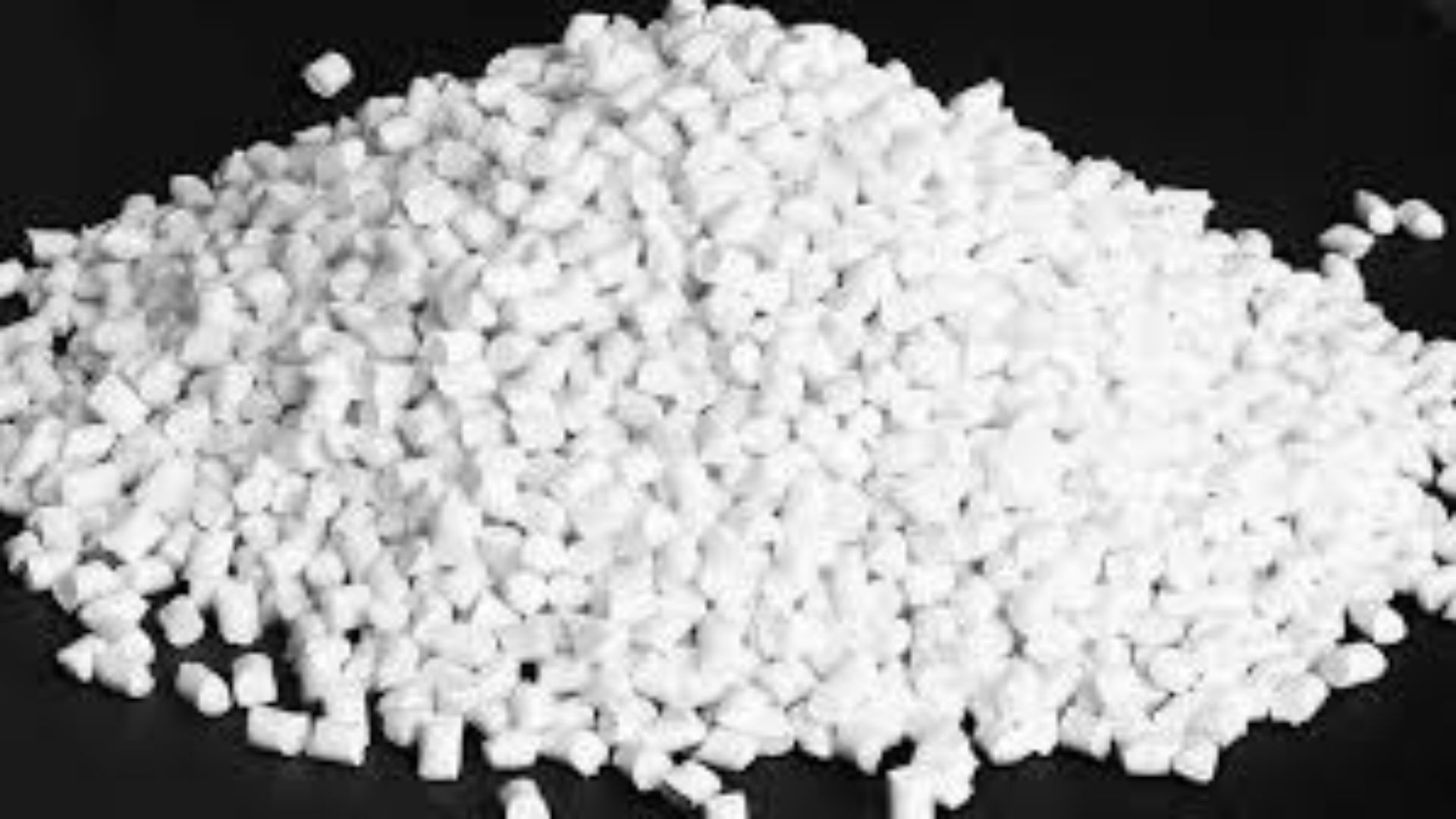
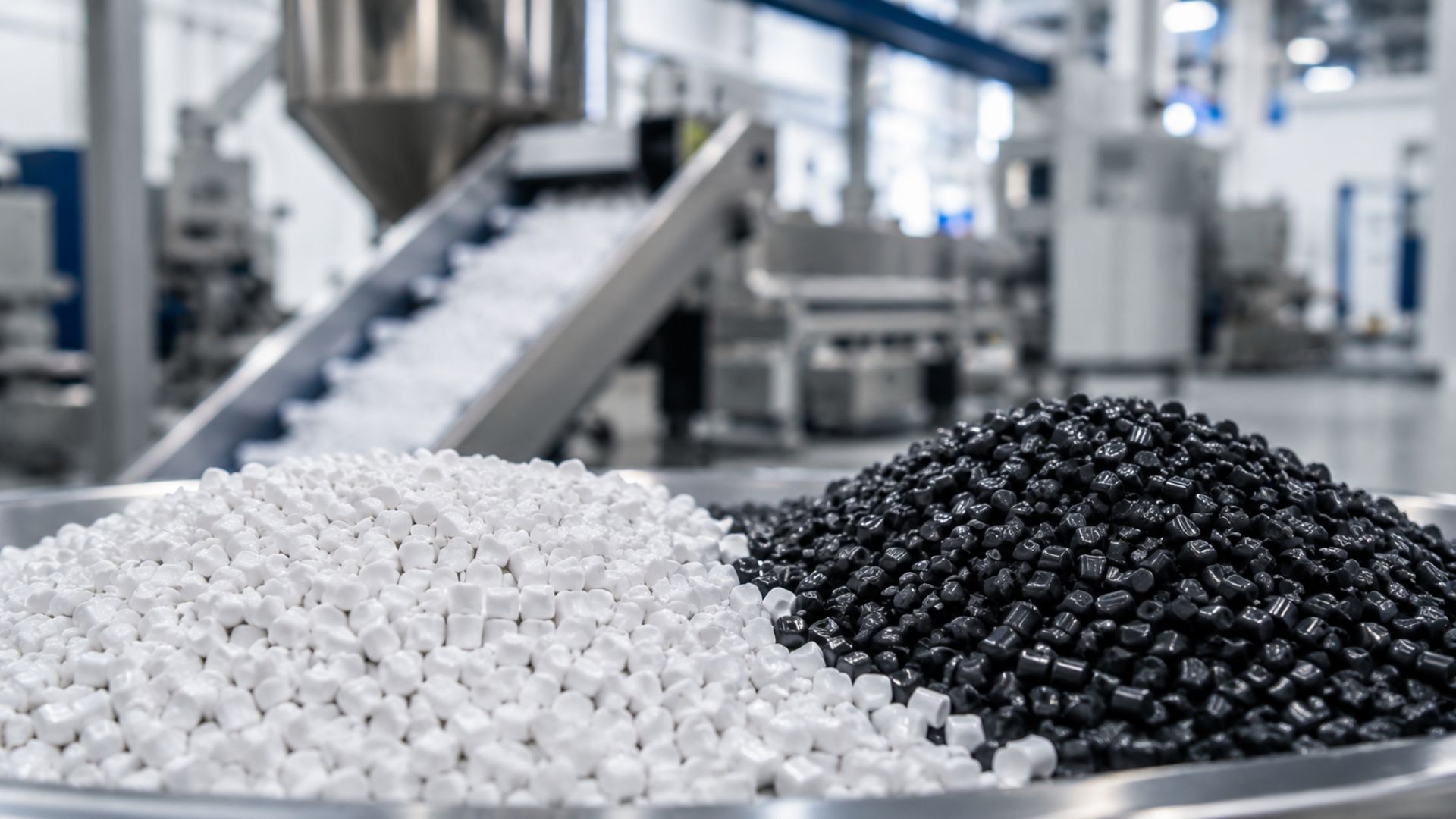
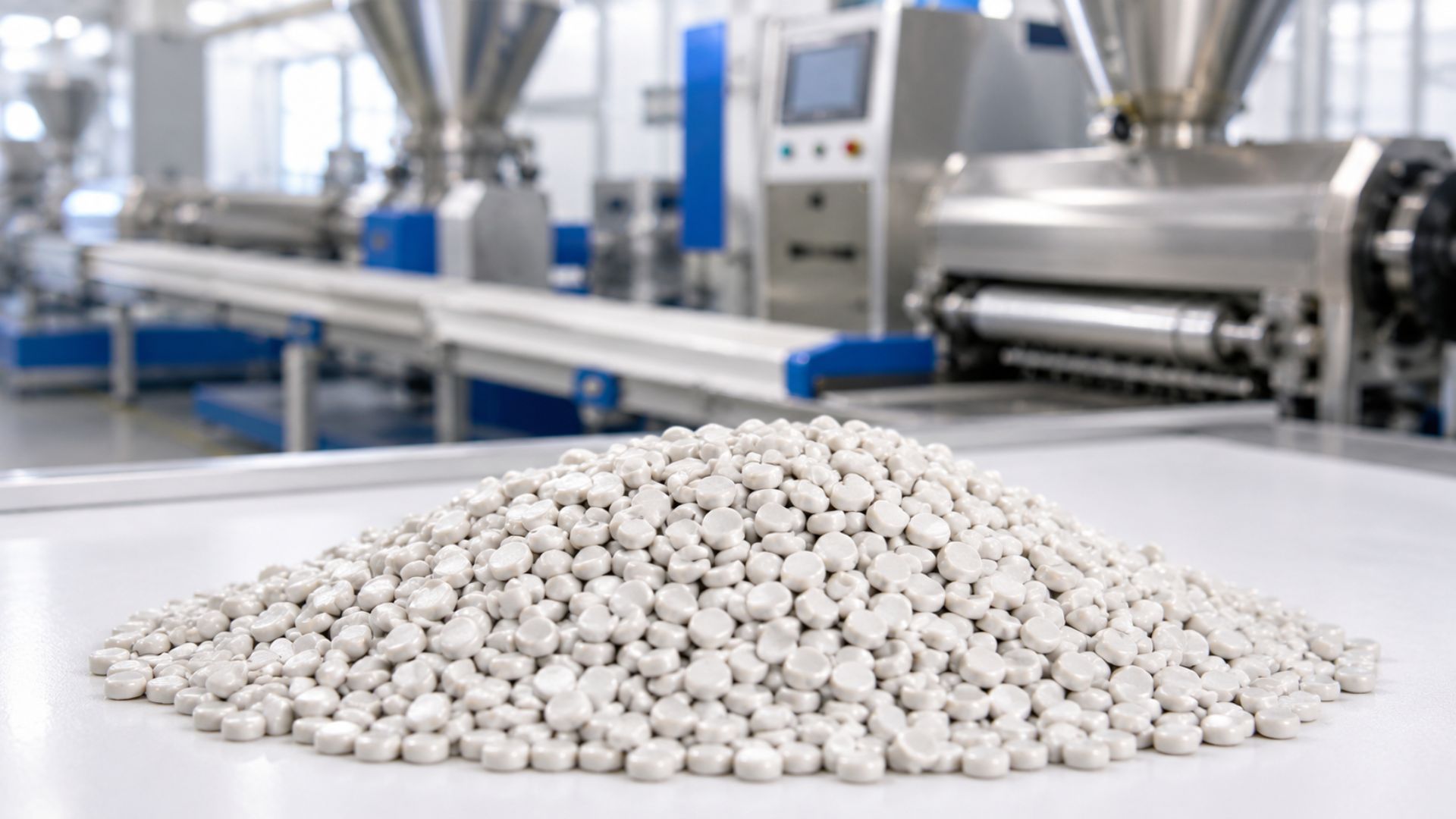
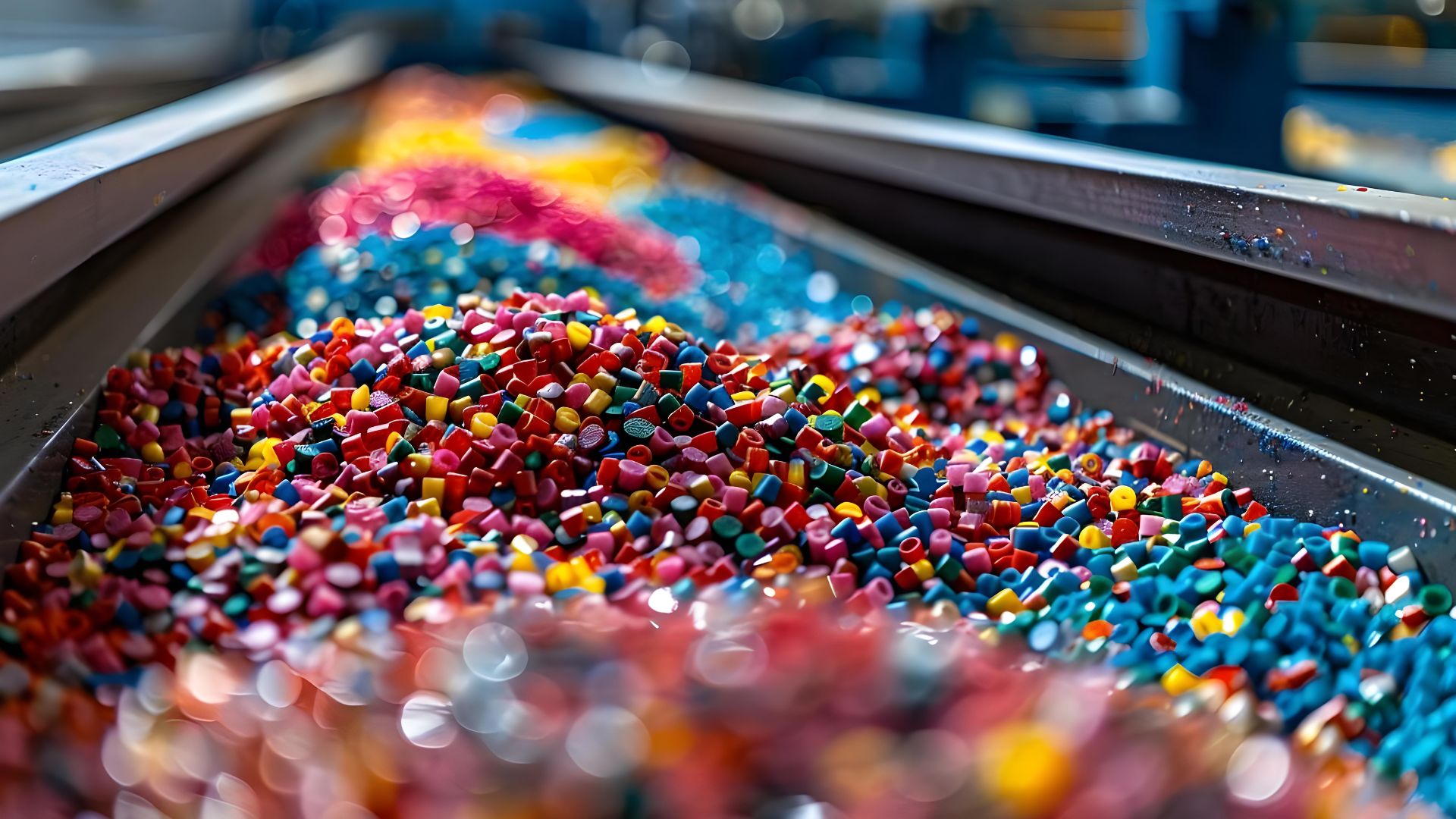
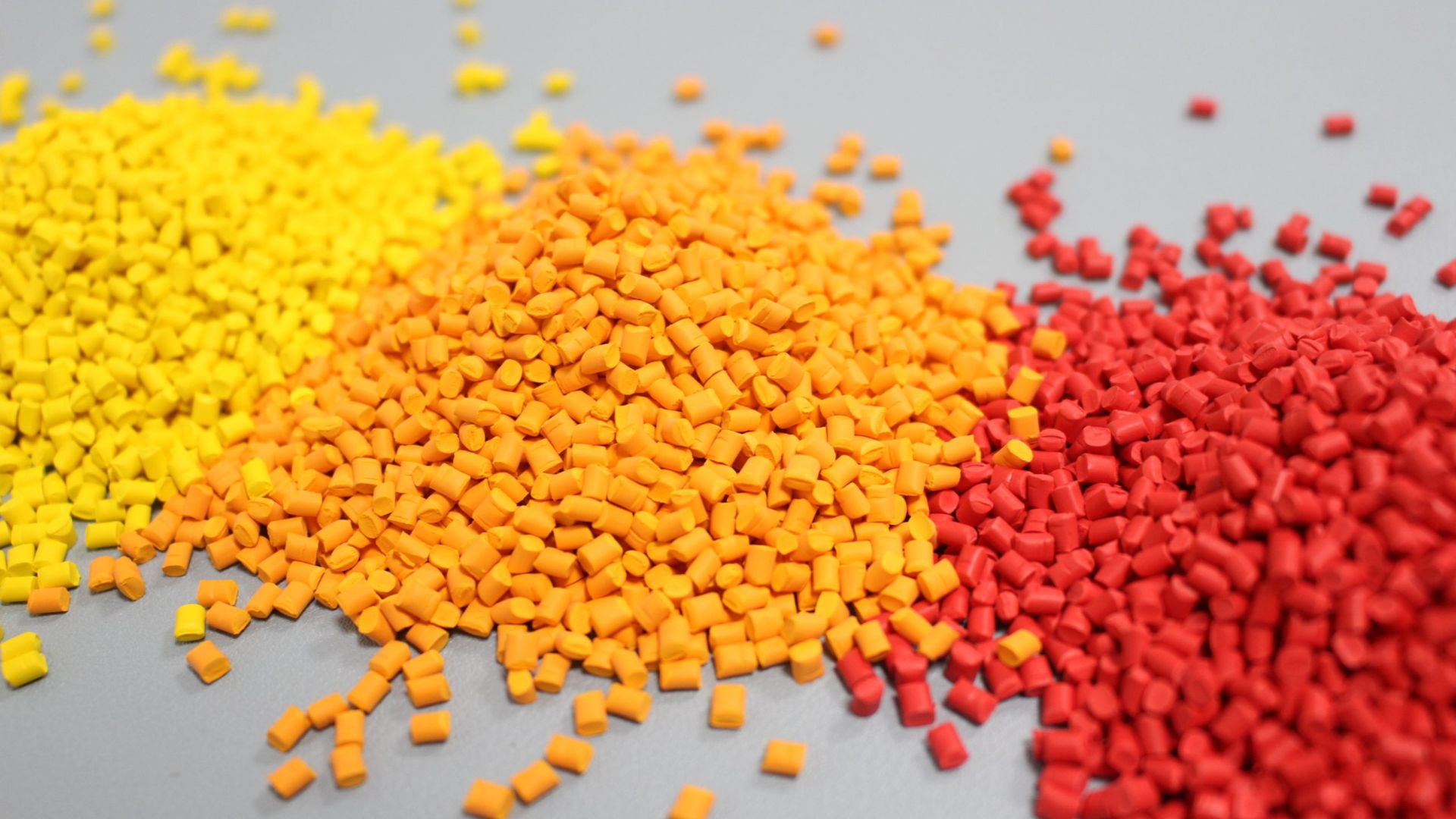
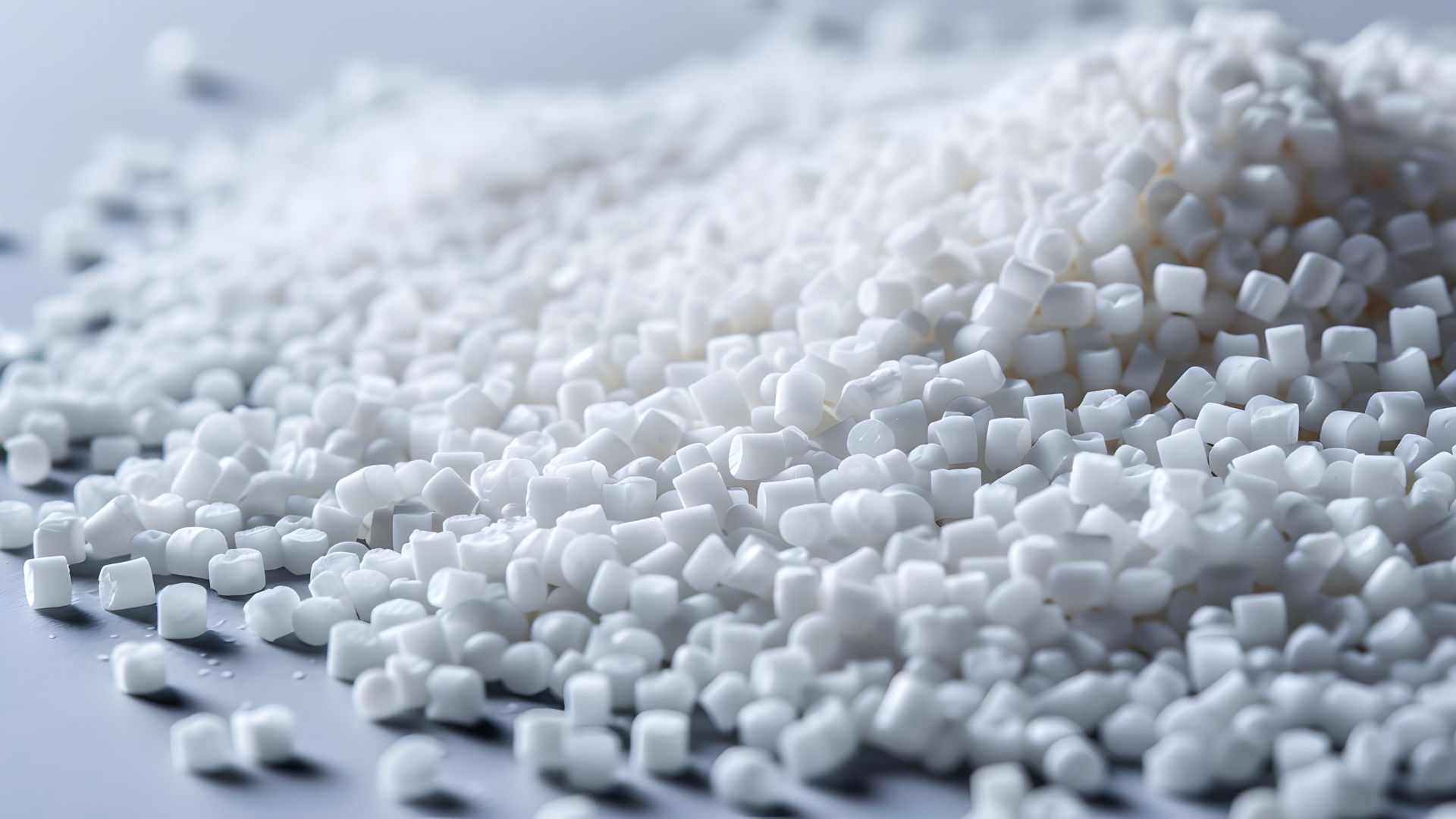
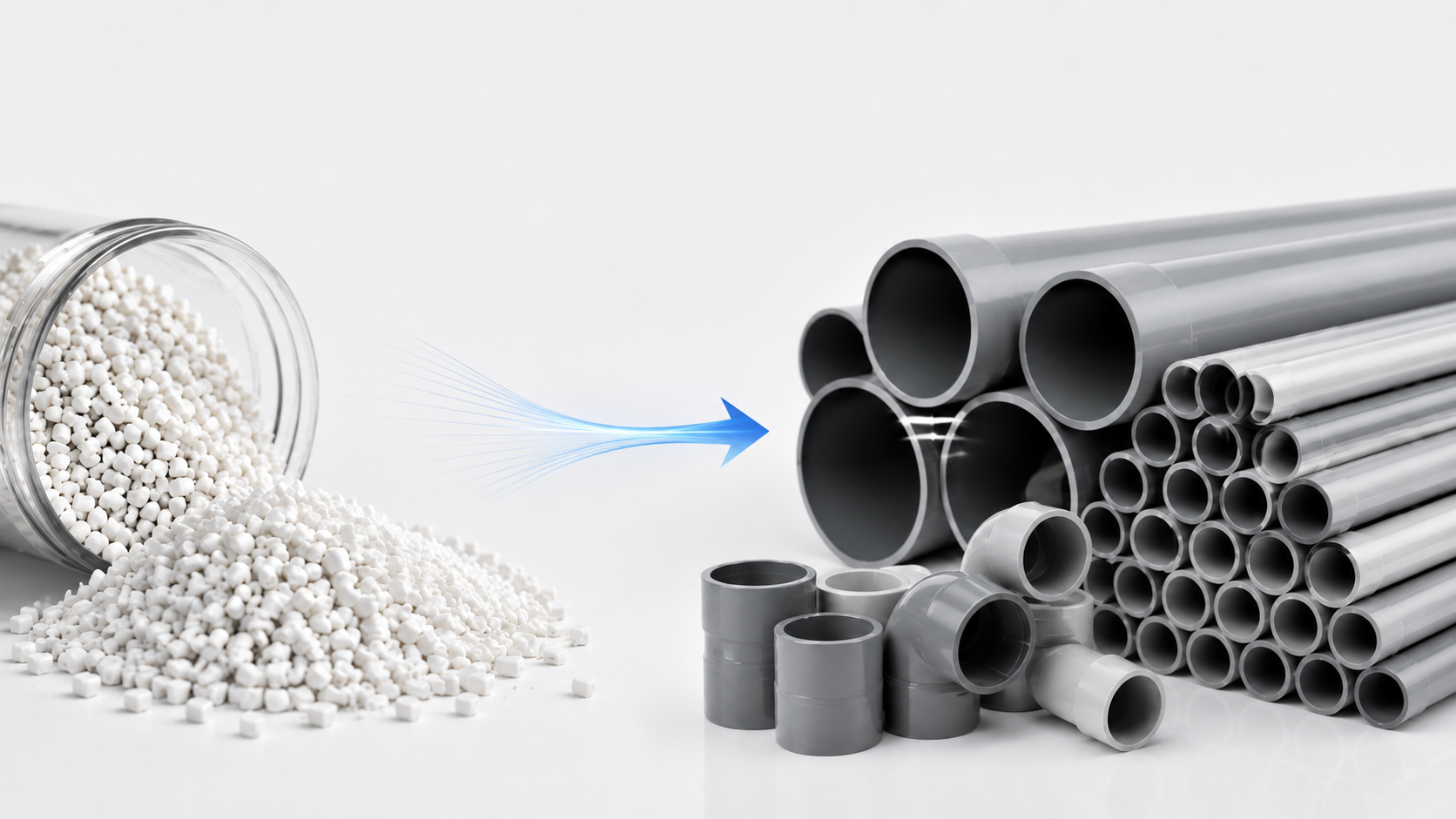
UV masterbatch is a concentrated formulation that contains UV stabilizers, a polymer carrier, and sometimes supporting additives such as antioxidants, processing aids, dispersing agents, or light stabilizer blends. It is usually used in pellet form and added during extrusion, injection molding, blow molding, film blowing, or other plastic processing methods.
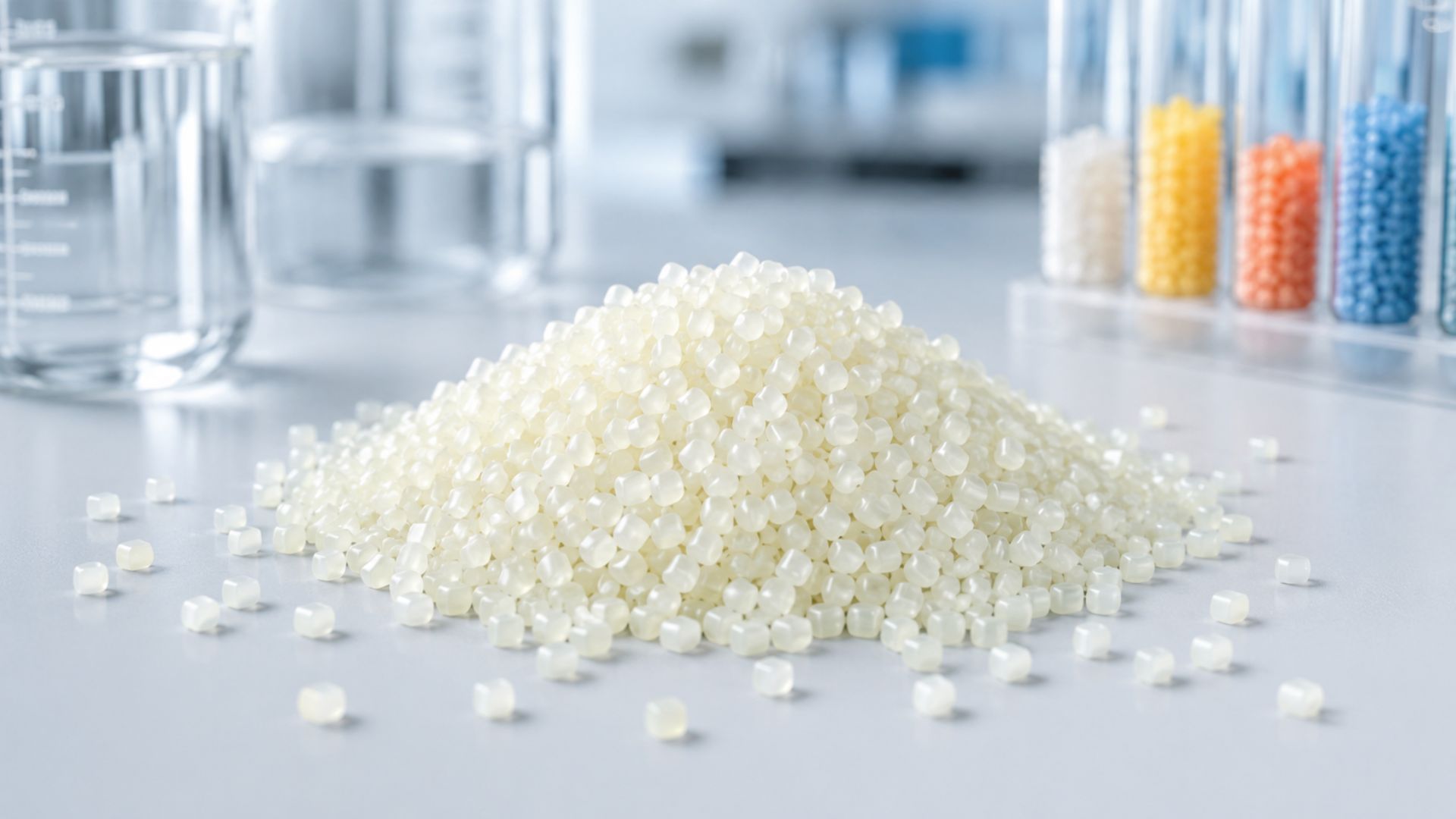
The main purpose of UV masterbatch is to protect plastic products from degradation caused by UV radiation. It does this by reducing the negative effect of sunlight on polymer chains, pigments, fillers, and other components inside the plastic formulation.
A typical UV masterbatch is designed based on three factors: the polymer type, the expected outdoor exposure condition, and the required service life of the final product. For example, the UV protection system used for agricultural film is different from the system used for outdoor furniture, woven sacks, geomembranes, automotive parts, or packaging materials.
Why Plastic Needs UV Protection
The effect of UV radiation on polymers
Sunlight contains different types of radiation. Although UV radiation accounts for only a small part of solar energy, it has enough energy to break chemical bonds in many polymer structures.
When plastic absorbs UV radiation, free radicals may form inside the material. These free radicals react with oxygen and trigger a chain reaction known as photo-oxidation. Over time, this process can damage the polymer structure and reduce the material’s performance.
In practical terms, UV degradation can cause cracking, chalking, fading, discoloration, brittleness, loss of tensile strength, reduced elongation, surface roughness, and lower impact resistance. For thin products such as films, tapes, raffia, and sheets, the loss of mechanical strength can happen faster because the surface area exposed to sunlight is relatively high.
Outdoor durability requires more than UV protection
UV degradation does not happen in isolation. Outdoor plastic products are usually exposed to sunlight, oxygen, moisture, rain, dust, temperature fluctuations, and mechanical stress at the same time. In hot climates, high surface temperature can accelerate oxidation. In coastal or agricultural environments, chemicals, salt, pesticides, fertilizers, and humidity may also influence the stability of the plastic.
This is why a UV masterbatch should not be selected only by looking at the UV stabilizer percentage. A technically suitable solution must consider the real use environment, polymer system, product thickness, pigment loading, filler content, processing temperature, and expected life span.
How UV Masterbatch Works
UV absorption
Some UV additives work by absorbing harmful UV radiation before it can damage the polymer. These additives convert UV energy into lower-energy heat, which can be released from the material without causing serious damage. UV absorbers are commonly used in applications where appearance, color retention, and surface quality are important. However, their effectiveness can depend on product thickness, additive concentration, polymer type, and the wavelength range of UV exposure.
Radical scavenging and light stabilization
Another important mechanism is radical scavenging. In this case, the stabilizer does not simply block UV radiation. Instead, it interrupts the degradation chain reaction after free radicals are formed. Hindered Amine Light Stabilizers, commonly known as HALS, are widely used for this purpose. HALS can be very effective in polyolefins such as PE and PP because they help slow down the photo-oxidation process. This makes them suitable for outdoor films, woven bags, pipes, sheets, containers, and molded products.
Synergy with antioxidants
UV stabilizers often work together with antioxidants. During processing, polymers are exposed to heat and shear. During outdoor use, they are exposed to oxygen and sunlight. Antioxidants help reduce thermal oxidation, while UV stabilizers help reduce light-induced degradation. A balanced formulation is important. If the antioxidant system is weak, the polymer may already be partially degraded before the final product is used outdoors. If the UV system is poorly selected, the product may still fail even when the processing stability looks acceptable.
Main Components Of UV Masterbatch
Plastic resin
The carrier resin helps disperse the active additives into the final polymer. The carrier should be compatible with the base resin to avoid processing issues, poor dispersion, surface defects, or reduced mechanical properties. For PE applications, a polyethylene-based carrier is commonly used. For PP applications, a polypropylene-based carrier is often preferred. For more demanding applications, the carrier must be selected carefully to ensure good melt flow, uniform distribution, and stable processing performance.
UV stabilizers
UV stabilizers are the functional core of the masterbatch. The selection of stabilizers depends on the application, polymer, thickness, exposure duration, and final performance target. HALS are widely used for long-term light stabilization in polyolefins. UV absorbers are often used when surface protection, color stability, and visual appearance are important. In many cases, a combination of different stabilizers is used to provide broader and more reliable protection.
Additives
UV masterbatch may also include antioxidants, processing aids, dispersing agents, acid scavengers, or other stabilizing components. These additives support the performance of the UV system and help improve processing consistency. However, additive interaction must be controlled. Certain pigments, fillers, flame retardants, pesticides, sulfur-containing compounds, acidic residues, or recycled materials may reduce the effectiveness of UV stabilizers. This is one reason why formulation testing is necessary before commercial production.
Applications Of UV Masterbatch In Plastic Products
Agricultural films and greenhouse films
Agricultural films are among the most demanding applications for UV masterbatch. These products are exposed to direct sunlight, heat, humidity, agrochemicals, fertilizers, and mechanical stress. In greenhouse films, the required service life may range from one season to several years, depending on the market and product specification.
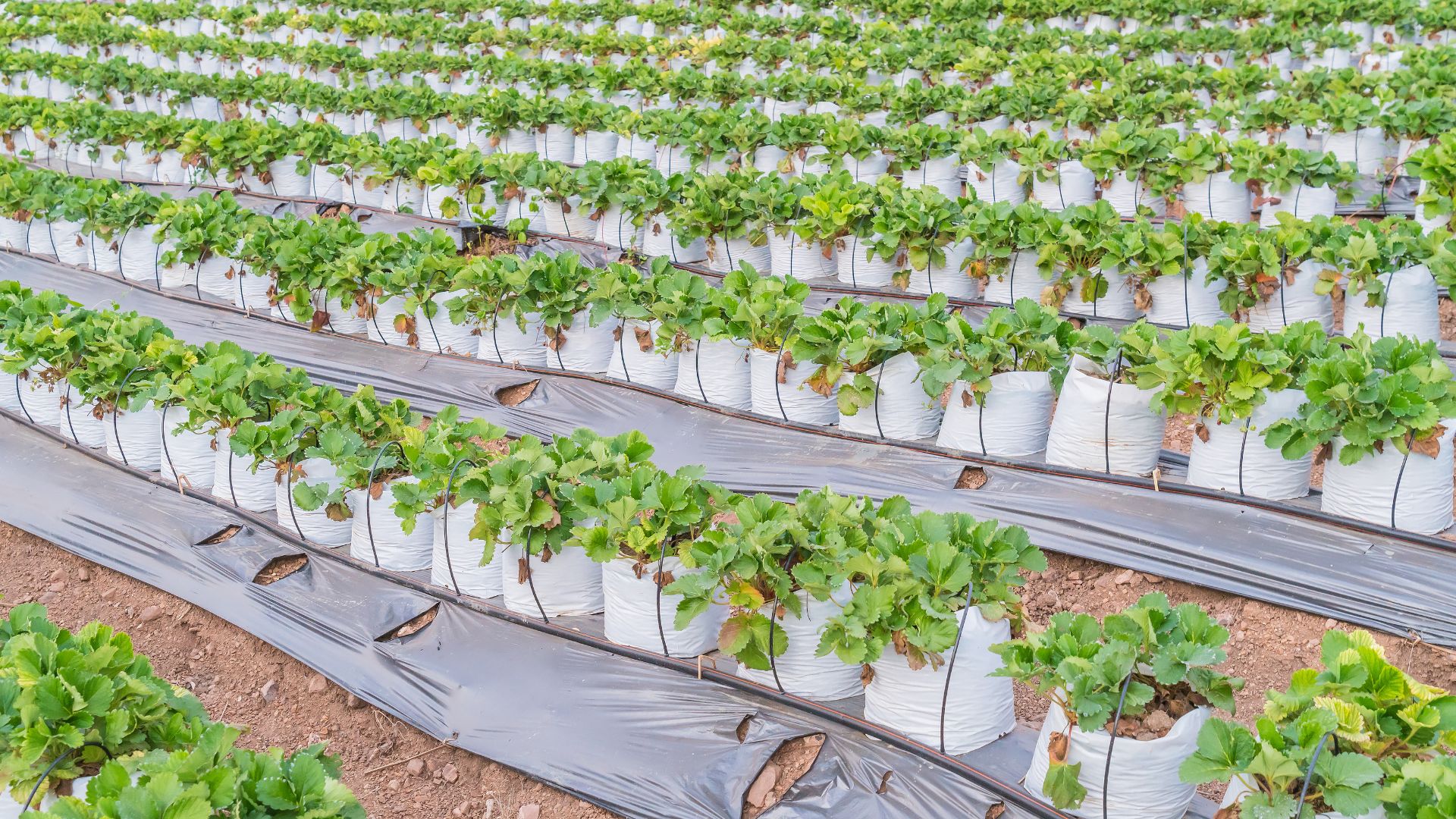
For this application, UV protection must be carefully designed. The masterbatch must help maintain tensile strength, elongation, transparency, and film integrity during outdoor use. Chemical resistance is also important because sulfur, chlorine, pesticides, and other agricultural chemicals may interfere with some light stabilizers.
Raffia, woven bags, and tarpaulins
PP raffia, woven sacks, FIBC bags, and tarpaulins are often used outdoors or during transportation and storage. Without UV protection, these products can lose strength, become brittle, and tear during handling.

For woven applications, UV masterbatch is used to maintain tensile strength and reduce the risk of early failure. The dosage depends on product thickness, color, exposure intensity, required life span, and whether the product is used for packaging, construction, agriculture, or logistics.
Pipes, profiles, and sheets
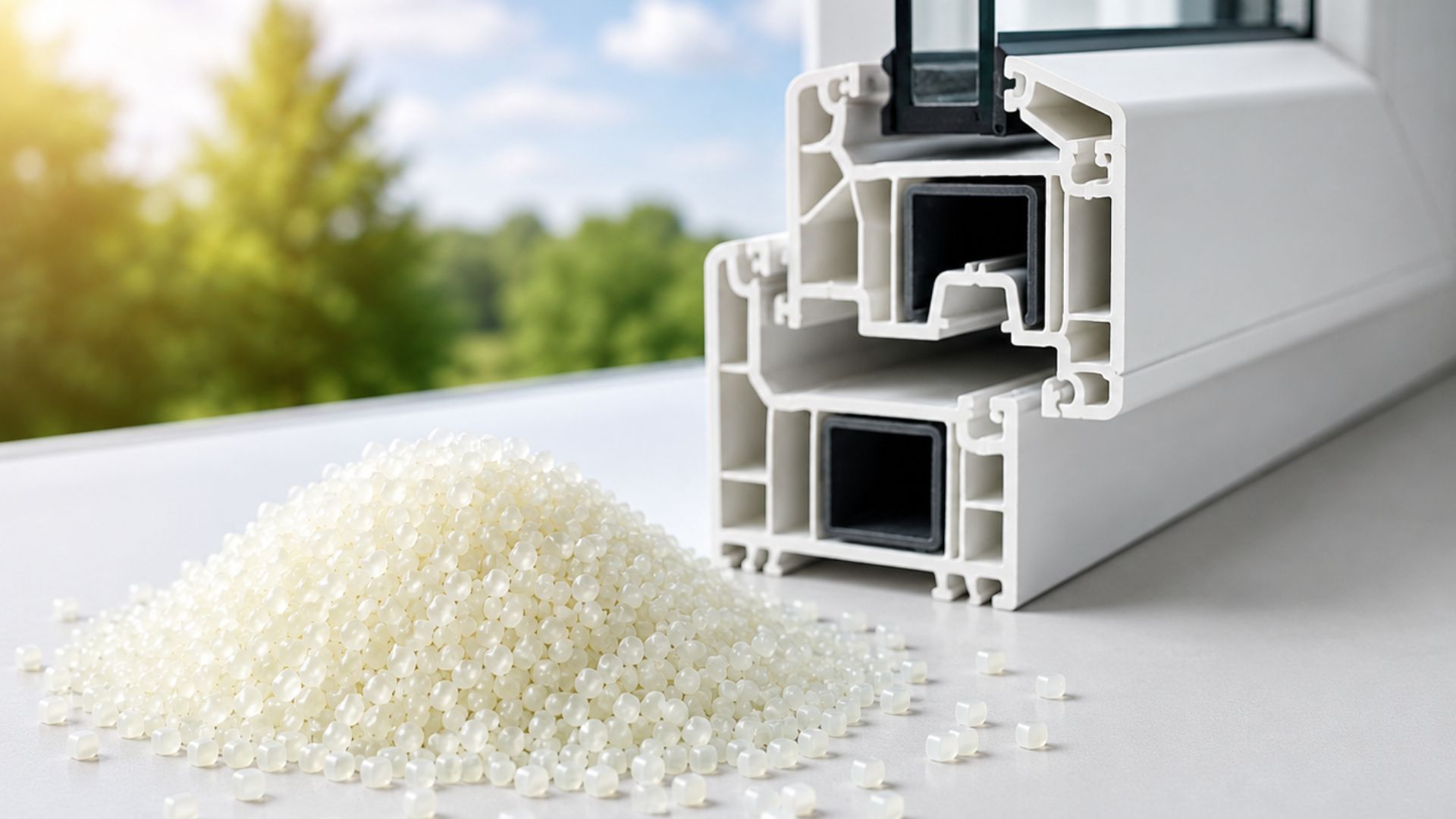
Plastic pipes, profiles, roofing sheets, wall panels, and other rigid products may be exposed to sunlight during installation, storage, or long-term use. UV degradation can affect surface appearance, impact strength, and dimensional performance.
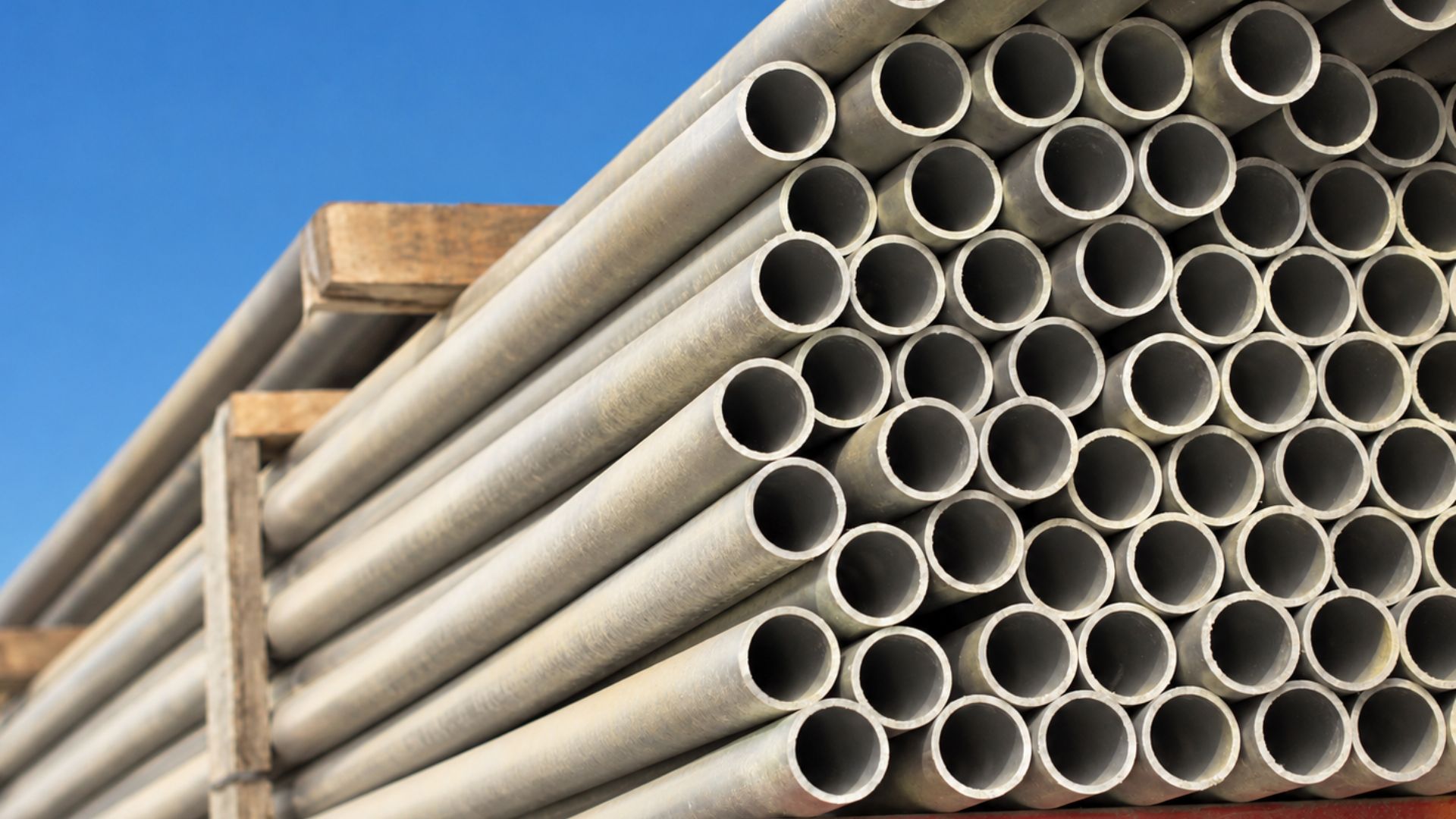
In these applications, the UV masterbatch must be compatible with the resin and processing method. For filled systems, especially those containing calcium carbonate, titanium dioxide, carbon black, or other mineral additives, the stabilizer package must be adjusted to maintain both weatherability and mechanical performance.
Automotive and industrial parts
Many automotive and industrial plastic components are exposed to sunlight, temperature changes, and long-term environmental stress. Exterior trims, covers, containers, and protective parts require stable mechanical and visual performance.
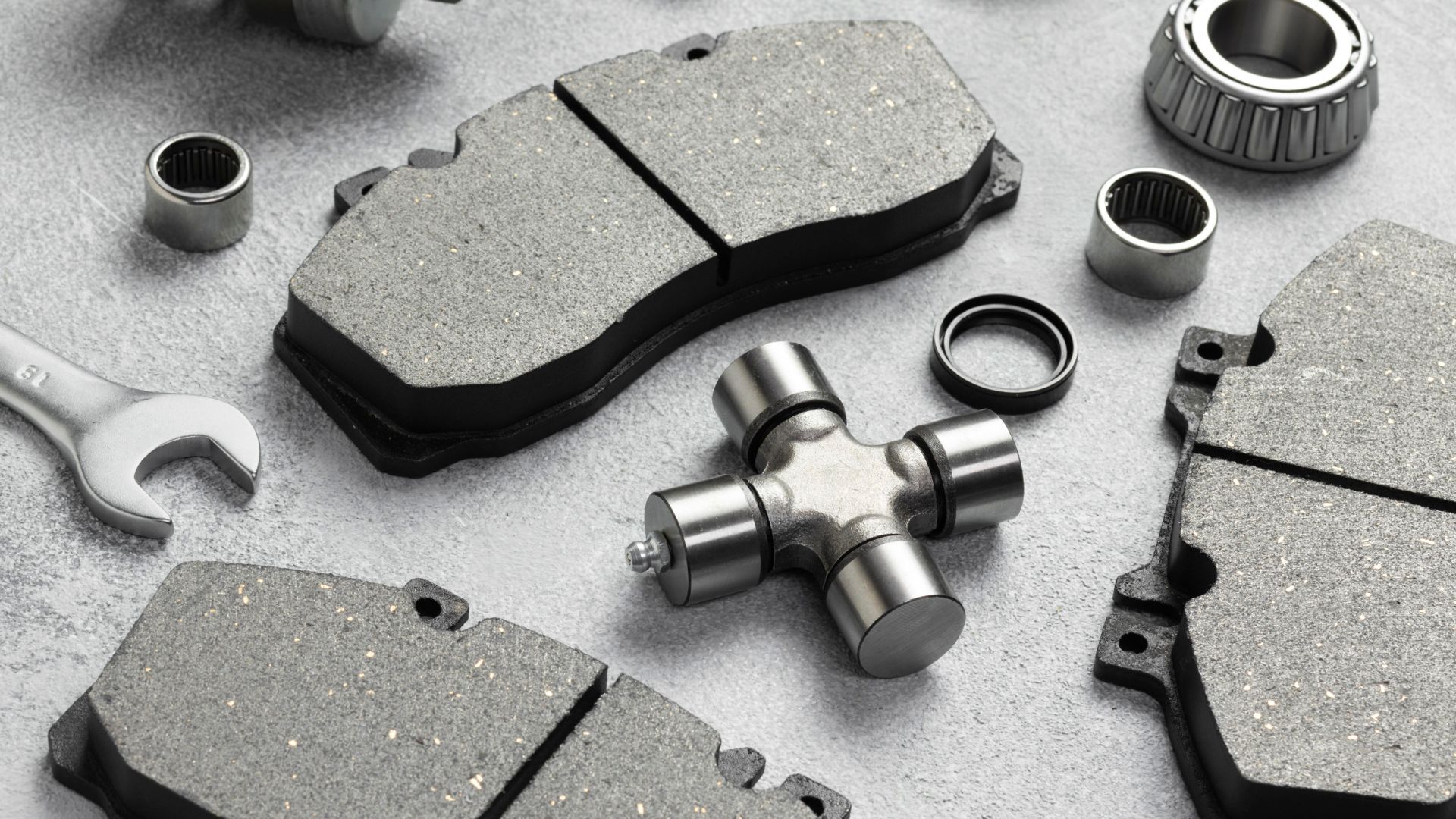
In these applications, UV masterbatch must be selected according to strict performance requirements. Weathering tests, color change measurement, tensile testing, and impact testing are often needed before approval.
Factors That Influence UV Masterbatch Performance
Polymer type
Different polymers have different sensitivities to UV radiation. Polypropylene is generally more vulnerable to UV degradation than polyethylene because of its molecular structure. PVC, PET, ABS, PS, and engineering plastics also require different stabilization systems.
Therefore, one UV masterbatch cannot be assumed to work equally well in all plastic materials. The same additive package may perform well in LDPE film but may not deliver the same result in PP raffia or rigid PVC profiles.
Product thickness
Product thickness strongly affects UV performance. Thin films and tapes degrade faster because UV radiation can penetrate a larger portion of the material. Thick molded products may have better resistance because degradation is more concentrated near the surface.
This means dosage recommendations should not be copied from one product type to another without testing. A 25-micron film, a 70-micron film, a 1-mm sheet, and a 5-mm molded part may require different stabilization strategies.
Color and pigment
Color has a major influence on UV stability. Carbon black can provide strong UV protection when properly dispersed, while some organic pigments may be less stable under sunlight. Titanium dioxide may improve opacity and light reflection, but its surface treatment and grade selection matter because certain grades can accelerate degradation if not properly designed for plastics.
Pigment interaction is especially important for colored outdoor products. The UV masterbatch must be tested together with the actual pigment formulation, not only with natural resin.
Filler
Fillers such as calcium carbonate, talc, glass fiber, and other minerals can change the performance of a UV system. High filler loading may affect additive dispersion, surface properties, mechanical performance, and long-term aging behavior. In filled plastic compounds, the masterbatch supplier and manufacturer should evaluate the full formulation. UV protection should be considered together with filler treatment, coupling agents, antioxidants, processing temperature, and final product requirements.
Processing conditions
High processing temperature, long residence time, excessive shear, and poor mixing can reduce additive efficiency or cause polymer degradation before the product leaves the machine. A good UV masterbatch should be thermally stable under the intended processing conditions. At the same time, the production process must ensure proper dispersion. Poor dispersion can lead to uneven protection, surface defects, weak areas, and inconsistent product performance.
Exposure environment
High-altitude regions, tropical climates, desert areas, and coastal environments can create more severe exposure conditions. The expected market and use environment should be defined before selecting the UV masterbatch. A product designed for short-term outdoor storage may require a different solution from a product expected to last three to five years outdoors.
How To Select The Right UV Masterbatch
Define the final application clearly
The first step is to define the final application. The manufacturer should identify whether the product is a film, sheet, pipe, profile, woven bag, molded part, cable component, container, or outdoor furniture item. Each application has different mechanical, visual, and aging requirements. The expected use condition should also be clarified. Some products are exposed to direct sunlight every day. Others are exposed only during transportation or temporary storage. Some products are used in contact with chemicals, water, soil, fertilizers, or cleaning agents.
Match the masterbatch with the base polymer
Compatibility between the UV masterbatch and the base polymer is essential. If the carrier is not suitable, the final product may have poor dispersion, processing instability, die build-up, gels, surface marks, or reduced mechanical performance. The melt flow index of the masterbatch should also be suitable for the processing method. Film blowing, injection molding, extrusion coating, sheet extrusion, and raffia production may require different carrier properties.
Evaluate additive interaction
Before commercial production, the UV masterbatch should be tested with the actual resin, pigment, filler, recycled content, and processing conditions. This is especially important when the formulation contains high filler loading, recycled plastic, bright pigments, flame retardants, or agricultural chemical exposure.
In many cases, failure does not come from the UV masterbatch alone. It comes from the interaction between additives, processing conditions, and the real exposure environment.
Common Problems When Using UV Masterbatch
Insufficient dosage
One common issue is using too low a dosage to reduce cost. This may allow the product to pass short-term processing checks but fail during outdoor use. For products with warranty requirements, insufficient dosage can create higher long-term costs through returns, complaints, and brand damage.
Poor dispersion
Poor dispersion can create uneven UV protection. Some areas of the product may be well protected, while other areas degrade faster. This is especially risky in thin films, raffia tapes, and products with demanding surface requirements.
Incompatibility with pigments or fillers
Pigments and fillers can influence UV performance. A formulation that works well in natural resin may perform differently after adding color masterbatch, calcium carbonate filler masterbatch, flame retardants, or recycled material.
Conclusion
UV masterbatch plays an essential role in protecting plastic products from sunlight-related degradation. It helps reduce cracking, chalking, discoloration, brittleness, and loss of mechanical properties caused by UV radiation and outdoor exposure. For plastic manufacturers, selecting UV masterbatch should be a technical decision, not only a purchasing decision. The right formulation depends on polymer type, product thickness, pigment system, filler loading, processing method, exposure environment, and required service life.
A well-designed UV masterbatch can improve outdoor durability, maintain product appearance, reduce quality risk, and support more stable long-term performance. To achieve reliable results, manufacturers should test the masterbatch under realistic processing and exposure conditions before full-scale production.