Plastic processing is influenced by factors such as friction, melt viscosity, equipment condition, and formulation complexity. Even with high-quality base polymers, manufacturers may still encounter problems, including melt fracture, high die pressure, unstable output, surface defects, and difficulties processing highly filled compounds.
Processing aid masterbatch is designed to improve melt flow and processing stability by modifying the interaction between the polymer melt, processing equipment, and other formulation components. When properly selected, it can reduce processing resistance, minimize defects, and support more efficient production.
This article by CVN PLASTICS explains what a processing aid masterbatch is, how it works, its main applications, and the key factors to consider when selecting the right grade.
What Is Processing Aid Masterbatch?
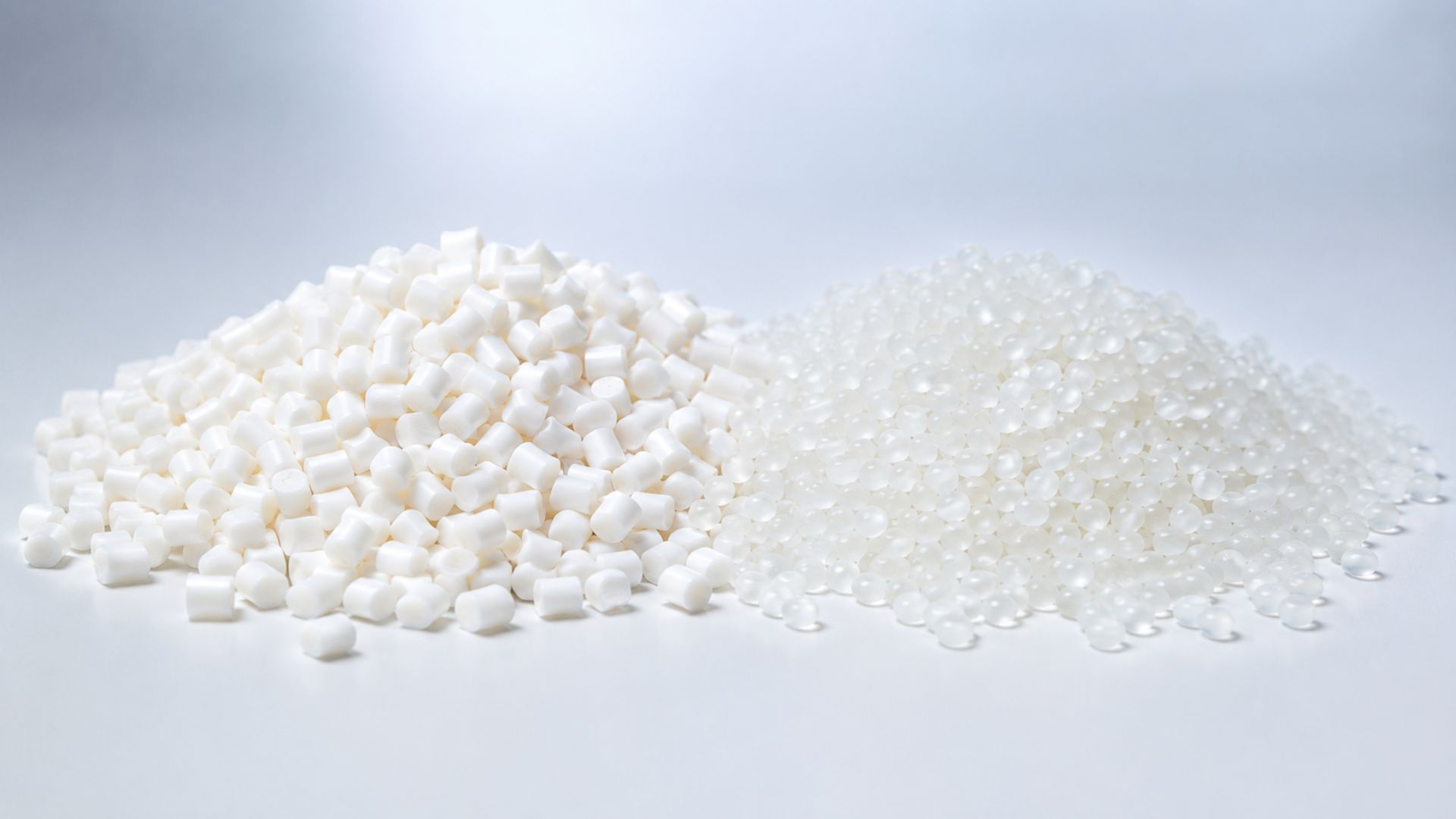
Processing aid masterbatch is a concentrated additive system designed to improve the processing behavior of thermoplastic materials. It normally consists of an active processing additive dispersed in a compatible polymer carrier.
The carrier resin allows the active component to be introduced accurately and distributed more uniformly throughout the formulation. Depending on the intended application, the carrier may be polyethylene, polypropylene, ethylene-vinyl acetate, polystyrene or another polymer compatible with the main resin.
The active component may include fluoropolymer processing aids, silicone-based materials, lubricating additives, waxes, metal soaps, polymeric flow modifiers or combinations of different processing additives. Some grades are formulated for general lubrication, while others are designed specifically to reduce melt fracture, control die build-up or improve the processing of highly filled compounds.
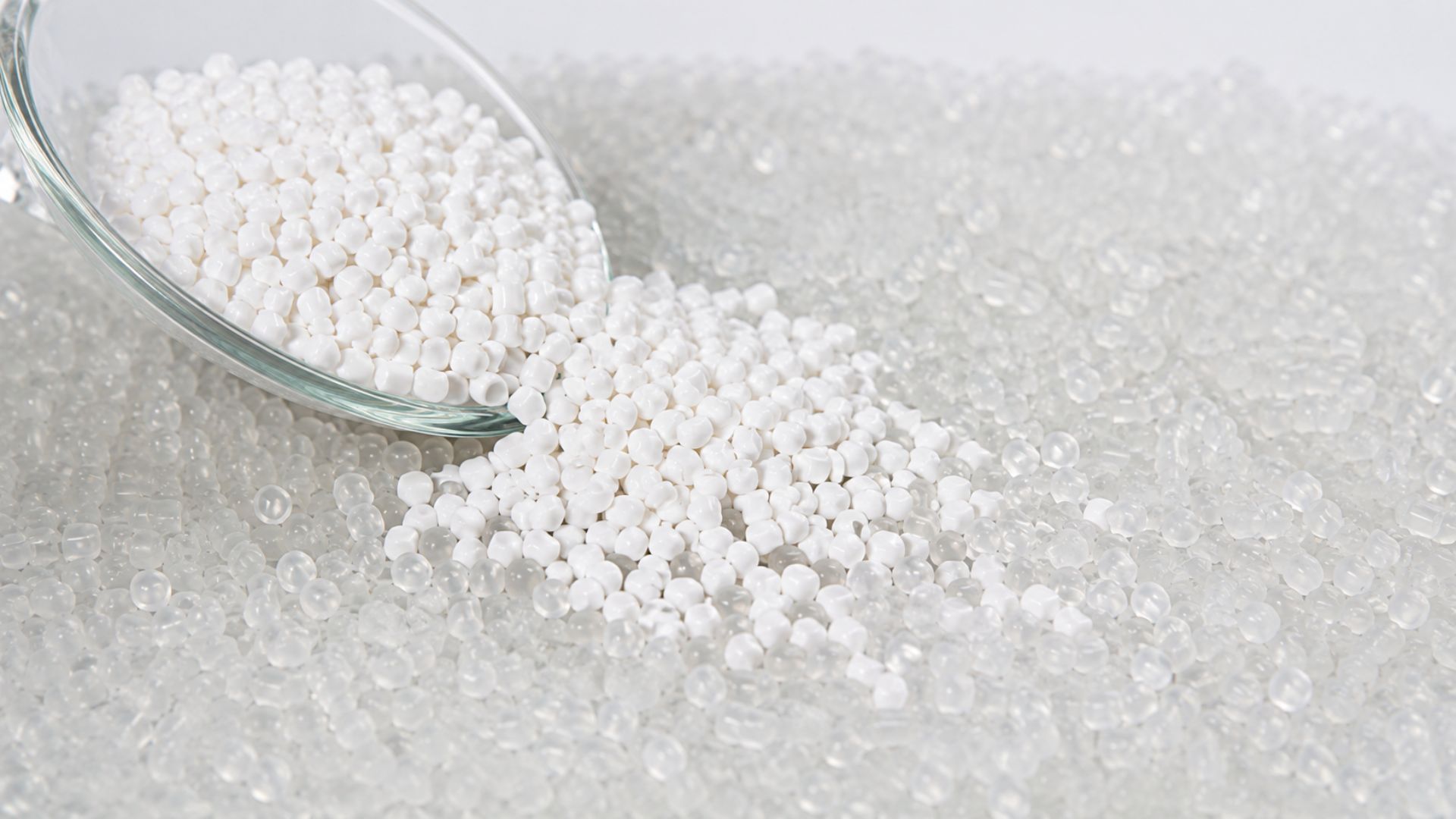
The final form is usually a free-flowing pellet or granule. This format simplifies handling compared with powders or low-dosage neat additives. It also improves feeding accuracy and reduces the risk of local overconcentration.
How Does Processing Aid Masterbatch Work?
During extrusion or molding, a thermoplastic material is exposed to heat, pressure and mechanical shear. The polymer must melt, mix and move through screws, barrels, screens, adapters and dies before taking its final shape.
The melt does not flow through this system without resistance. Friction develops between polymer chains, fillers, pigments and metal surfaces. High molecular weight polymers, narrow die openings, high line speeds and heavily filled formulations can further increase this resistance.
Processing aid masterbatch modifies one or more of these interactions.
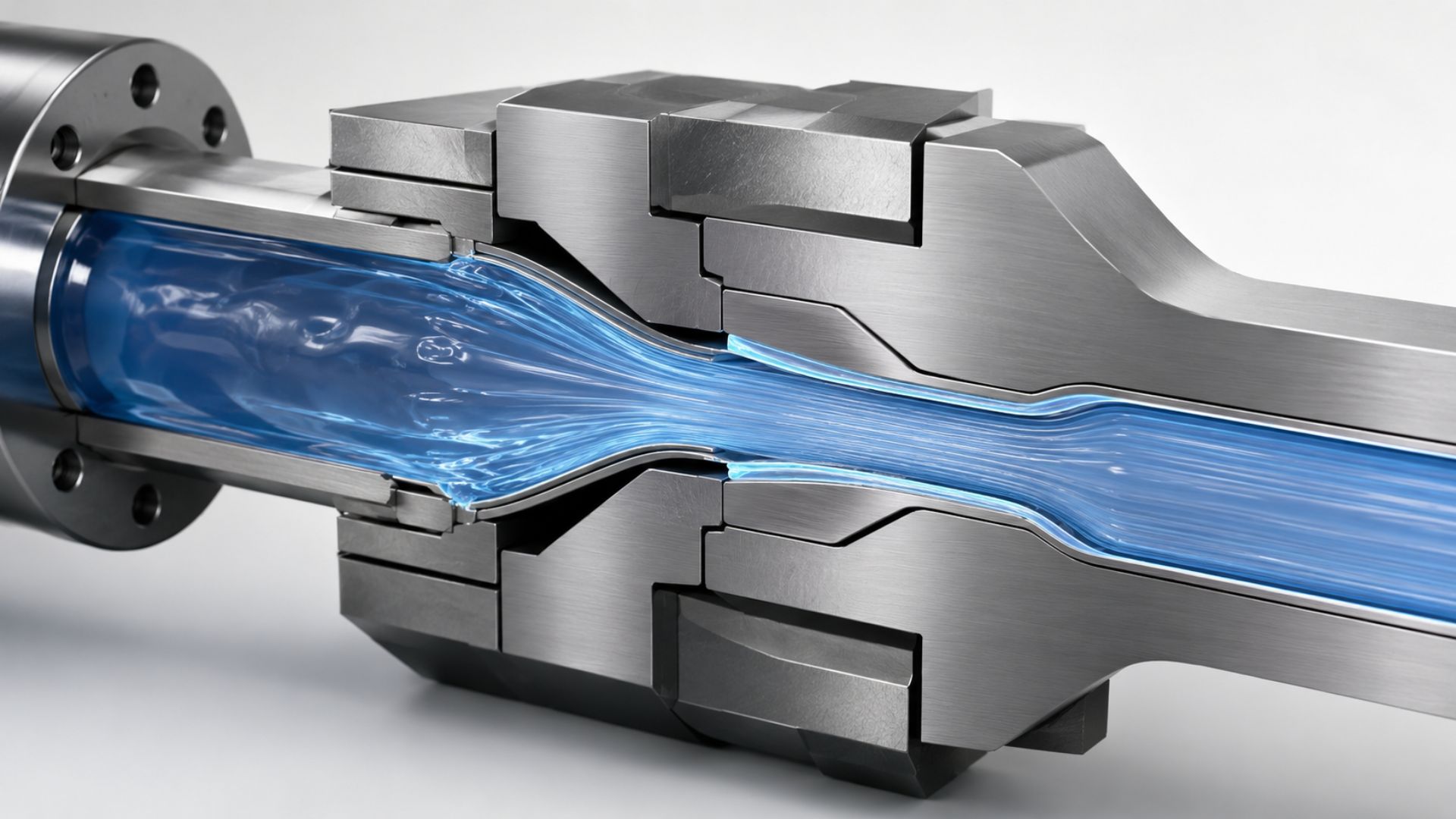
Certain processing aids migrate toward the interface between the polymer melt and the metal surface. After an initial conditioning period, they can form a thin, low-friction layer on the internal surface of the die or processing equipment. This layer reduces melt-to-metal adhesion and allows the polymer to move more uniformly through high-shear areas.
In film extrusion, this mechanism can reduce the irregular stress distribution that causes melt fracture. Melt fracture usually appears as a rough, distorted or sharkskin-like film surface. By improving slip at the polymer-metal interface, a processing aid can reduce surface stress without requiring a major reduction in output.
Other processing aids operate mainly as internal lubricants. They reduce friction within the compound and improve the movement of polymer chains and solid particles. This mechanism can be useful in calcium carbonate-filled masterbatch, color compounds, pipe formulations and profiles containing high levels of mineral filler.
Some processing aid masterbatches combine internal and external lubrication. Internal lubrication supports flow and dispersion inside the melt, while external lubrication reduces sticking to metal surfaces. The balance between these two effects is important. Excessive external lubrication can reduce melt strength or cause surface slippage, while excessive internal lubrication may change fusion behavior or mechanical properties.
Processing aids may also help stabilize pressure. When a polymer passes through a screen pack or narrow die, small changes in viscosity or contamination can cause pressure fluctuations. Improved flow and reduced surface friction can make pressure development more gradual and predictable.
The effect is not always immediate. Certain fluoropolymer-based processing aids require a conditioning or coating period before the equipment surface becomes sufficiently covered. During start-up, the first output may still show defects. Performance normally stabilizes after the active component has circulated through the extrusion system and established the required interfacial layer.
Why Use Processing Aid Masterbatch?
The purpose of a processing aid masterbatch is not to compensate for every production problem. Incorrect temperature settings, damaged screws, contaminated dies, wet materials and incompatible polymers must still be corrected directly.
However, when the formulation or production target creates unavoidable processing stress, a processing aid can widen the operating window. It allows manufacturers to maintain more stable processing conditions while working with higher output, higher filler loading, recycled material or more demanding product specifications.
Its value is normally evaluated through two areas: operational advantages and improvements to the processed material.
Operational Advantages
One of the main operational advantages is lower die pressure. High die pressure increases mechanical load on the extruder and may limit production speed. It can also accelerate wear on screens, dies and other components. A processing aid that reduces interfacial resistance may lower pressure at the same output level or allow output to increase without exceeding the equipment pressure limit.
Reduced motor load is another possible benefit. When melt flow becomes easier, the extruder may require less torque to move the formulation through the barrel and die. The exact result depends on screw design, temperature profile and material viscosity, but reduced torque can improve process stability in formulations that are close to the equipment’s operating limit.
Processing aid masterbatch can also reduce die build-up. The build-up is the accumulation of degraded polymer, pigment, filler or low molecular weight material around the die lips. The deposit may eventually detach and create contamination, streaks or surface defects.
By reducing adhesion and stagnation at the die surface, the processing aid can delay deposit formation. This may extend the production period between die-cleaning operations and reduce unplanned shutdowns.
In extrusion coating and blown film production, reduced plate-out and die deposits can be especially important because even a small contaminant may affect a large area of finished film. Continuous production becomes more stable when the die lip remains clean for a longer period.
Processing aid masterbatch may also improve material release from processing equipment. This is relevant where polymer compounds tend to stick to screws, dies, molds or calendering surfaces. Easier release can simplify equipment cleaning and reduce material loss during grade changes.
Another operational benefit is a wider processing window. Some formulations only run properly within a narrow temperature or output range. Minor changes in ambient conditions, raw material batches or filler moisture may cause instability. Processing aids can make the system less sensitive to these variations, although they cannot eliminate the need for process control.
Processing Benefits
The most visible processing benefit in film extrusion is the reduction of melt fracture. Melt fracture develops when stress at or near the die wall exceeds the melt’s ability to deform smoothly. The resulting film may show roughness, lines or severe surface distortion.
A suitable processing aid reduces the stress concentration near the die surface and promotes more uniform melt exit. This improves film appearance and can help maintain acceptable quality at higher extrusion rates.
Processing aid masterbatch can also improve surface smoothness in sheet, profile and cable extrusion. Lower friction and more stable flow reduce the risk of drag marks, irregular gloss and localized roughness.
In mineral-filled compounds, processing aids may improve filler distribution by supporting melt movement and reducing agglomeration. This is particularly relevant in calcium carbonate filler masterbatch, where high mineral content increases viscosity and places greater stress on the compounding line.
Improved dispersion depends on the complete formulation. The processing aid does not replace a suitable coupling agent, dispersant, or surface treatment. However, it can support the movement of filler particles during mixing and reduce localized resistance inside the melt.
Flow improvement may also support more complete mold filling in injection molding. Thin-wall products, complex geometries, and high filler levels can produce short shots or incomplete filling when the melt loses pressure before reaching the end of the cavity. A compatible processing aid may improve flow while limiting the need for excessive temperature or injection pressure.
Processing aid masterbatch can also reduce flow lines, weld-line visibility, and certain surface defects. Nevertheless, these defects are influenced by gate position, mold temperature, injection speed, and part geometry. Additive selection should therefore be combined with process optimization.
Another possible benefit is lower processing temperature. When friction and resistance are reduced, some formulations can be processed at a slightly lower melt temperature while maintaining sufficient flow. Lower temperature may help limit polymer degradation, discoloration and odor development.
Temperature reduction should be tested carefully. Excessively low temperatures may cause poor fusion, incomplete dispersion or unstable output. The appropriate target is not the lowest possible temperature, but the lowest temperature that maintains complete melting and consistent product quality.
Applications of Processing Aid Masterbatch
Processing aid masterbatch is widely used across plastic processing technologies, but the processing challenges vary depending on the polymer system, equipment, and production conditions. Selecting the appropriate grade helps improve process stability while maintaining product quality.

Film Extrusion
In blown and cast film production, processing aid masterbatch helps reduce melt fracture, minimize die build-up, and improve surface appearance. It is commonly used in LLDPE, LDPE, HDPE, and metallocene polyethylene formulations to support stable extrusion at high line speeds.
Filler Masterbatch Production
High filler loading increases melt viscosity, extrusion torque, and processing difficulty. Processing aid masterbatch improves material flow through twin-screw extruders, supports stable strand formation, and promotes consistent pellet quality during calcium carbonate filler masterbatch production.
Pipe and Profile Extrusion
For pipe and profile extrusion, processing aid masterbatch contributes to smoother surfaces, stable melt flow, and better dimensional consistency. In rigid PVC, polymeric processing aids also promote fusion and improve melt strength, performing a different role from fluoropolymer processing aids used in polyolefins.
Wire and Cable Compounds
Processing aid masterbatch is widely applied in polyethylene and halogen-free flame-retardant (HFFR) cable compounds. It reduces processing resistance in highly filled formulations containing aluminum trihydrate (ATH) or magnesium hydroxide (MDH), resulting in smoother extrusion and improved surface quality.
Injection Molding and Recycled Plastics
In injection molding, processing aid masterbatch can improve melt flow, facilitate cavity filling, and enhance the processing of filled or recycled compounds. For recycled plastics, it helps stabilize melt flow and reduce surface defects, although it should not be considered a replacement for compatibilizers when incompatible polymers are present.
How To Choose The Right Processing Aid Masterbatch
Selection should begin with the polymer being processed. The carrier resin must be compatible with the base polymer and should not create gels, delamination, or mechanical weakness.
A polyethylene carrier is commonly used for polyethylene films and polyolefin filler masterbatch. A polypropylene carrier is more appropriate when the final compound requires high polypropylene purity or when polyethylene contamination may affect stiffness, temperature resistance or recyclability.
The active chemistry must also match the processing problem. Fluoropolymer-based processing aids are particularly effective for reducing melt fracture and die build-up in polyolefin extrusion. Silicone-based or lubricating systems may be more suitable for reducing friction, improving release or supporting high filler loading.
Manufacturers should identify whether the required effect is internal lubrication, external lubrication, melt-strength modification, fusion promotion, interfacial slip or a combination of functions.
Processing temperature is another key factor. The carrier and active ingredient must remain stable throughout the production temperature range. A low-melting carrier may soften too early during premixing, while an unstable additive may degrade at high temperatures.
The formulation must also be considered as a complete chemical system. Pigments, fillers, slip additives, antiblock agents, antioxidants and flame retardants may interact with the processing aid.
Some mineral fillers have large surface areas and may adsorb part of the active additive. This can delay migration to the die surface and increase the dosage required to achieve the same result.
In film formulations, antiblock agents and pigments can also affect processing-aid efficiency. Laboratory testing should therefore use the complete production recipe rather than only the base polymer.
The active-content level in the masterbatch determines the let-down ratio. A highly concentrated grade requires accurate dosing equipment. A lower-concentration grade may be easier to meter but introduces more carrier resin into the formulation.
Dosage should be determined through controlled trials. The starting level should follow the supplier’s technical recommendation, followed by stepwise adjustment based on die pressure, surface quality, output, and deposit formation.
Using more processing aid than necessary does not always improve performance. Overdosing may increase cost, affect printing or sealing behavior, create surface migration or change friction properties.
Manufacturers should also evaluate the induction period. Some processing aids need sufficient production time to coat the die surface. A short trial may incorrectly suggest that the product is ineffective.
Trial results should be recorded after processing conditions have stabilized. Relevant parameters include melt temperature, screw speed, motor load, head pressure, output, film appearance, die condition and the time required for defects to disappear.
The final selection should be based on measurable production data rather than visual assessment alone. A grade that produces a smooth surface but increases pressure or affects downstream printing may not be the most suitable overall solution.
Common Processing Problems Processing Aid Masterbatch Can Solve
Melt fracture is one of the most common problems addressed by the processing aid masterbatch. The defect appears when the polymer exits the die under excessive shear stress. A suitable interfacial processing aid can restore a smoother surface at the existing output or allow higher output before the defect returns.
High die pressure can also be reduced when the pressure originates from polymer-metal friction or excessive melt resistance. If the pressure increase is caused by a blocked screen, degraded material or incorrect die design, the mechanical cause must be corrected first.
The build-up may be controlled by reducing adhesion at the die surface. However, persistent deposits can also indicate thermal degradation, incompatible additives or excessive filler contamination. Processing aid masterbatch is most effective when these underlying causes have already been evaluated.
Surface roughness, flow lines, and unstable gloss can improve when the melt flow becomes more uniform. The degree of improvement depends on whether the defect originates inside the melt or from external factors such as die damage, moisture or cooling conditions.
High extruder torque in filled compounds can be reduced by improving internal lubrication and particle movement. This may support higher throughput, but filler treatment, particle size distribution, and screw configuration remain critical.
Poor mold release can also be improved with a processing aid or lubricant masterbatch. The selected grade must not interfere with painting, printing, bonding, or coating operations performed after molding.
Unstable output may improve when processing friction is the main cause. If output fluctuation originates from inconsistent feeding, bridging, moisture, or irregular regrind size, these issues must be addressed separately.
Conclusion
Processing aid masterbatch is a functional additive that improves plastic processing by reducing friction, optimizing melt flow, stabilizing pressure, and minimizing defects such as melt fracture and die build-up. Its performance depends on the active additive, carrier resin, polymer formulation, and processing conditions.
For the best results, it should be selected based on the specific processing challenge and validated through production trials using the complete formulation. When properly matched to the resin, equipment, and application, processing aid masterbatch can significantly improve processing stability and manufacturing efficiency without major changes to the base polymer system.