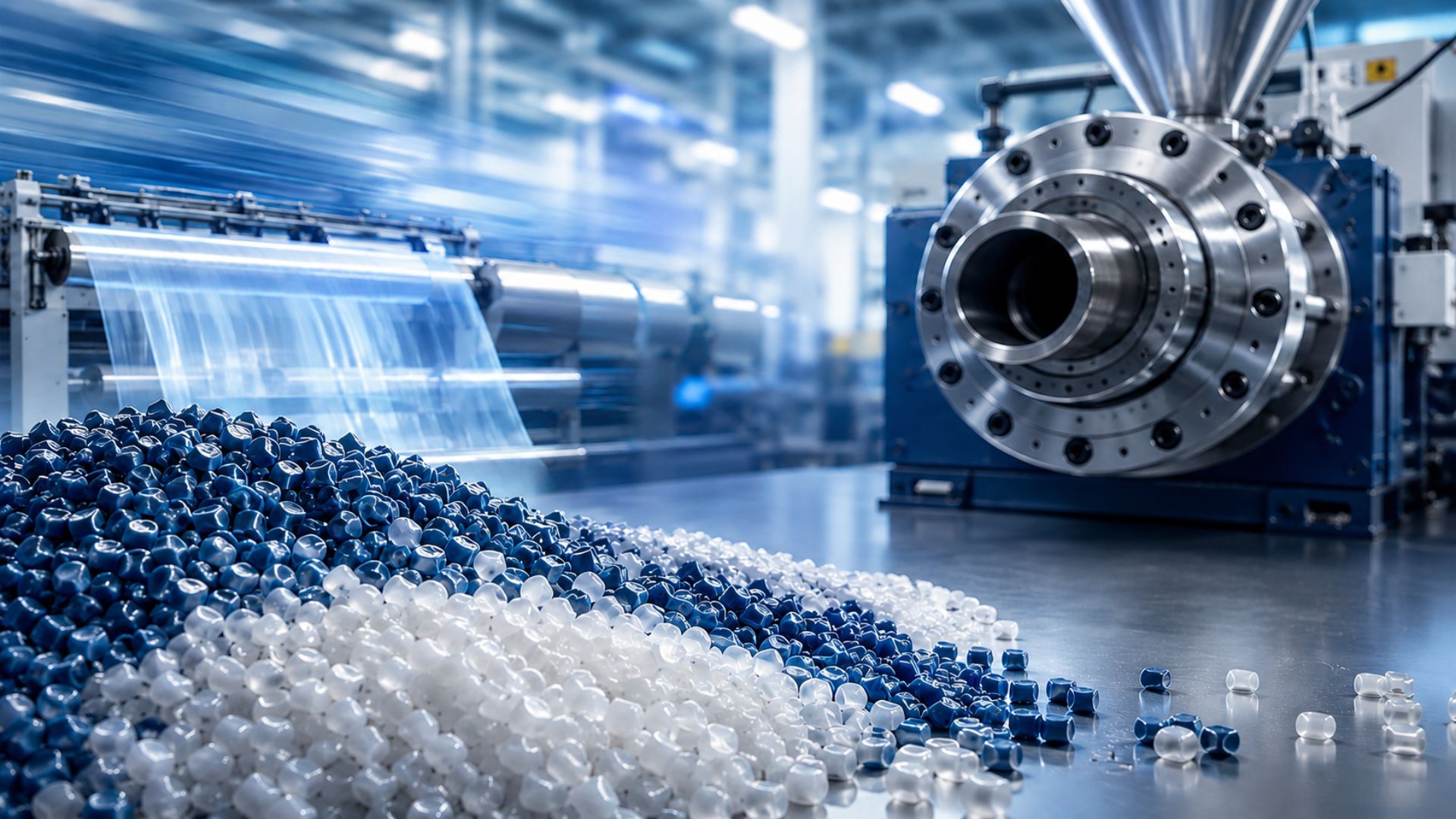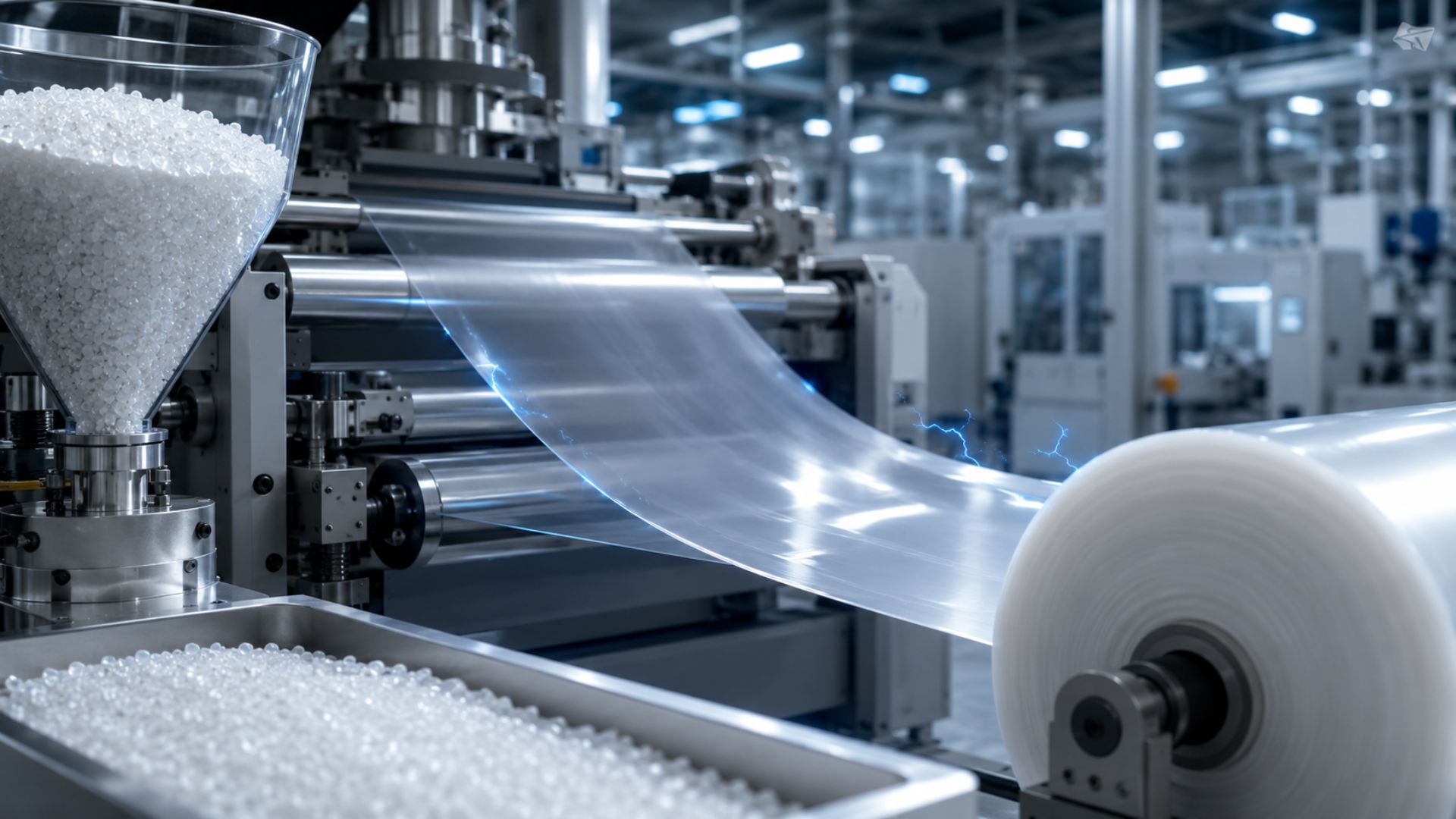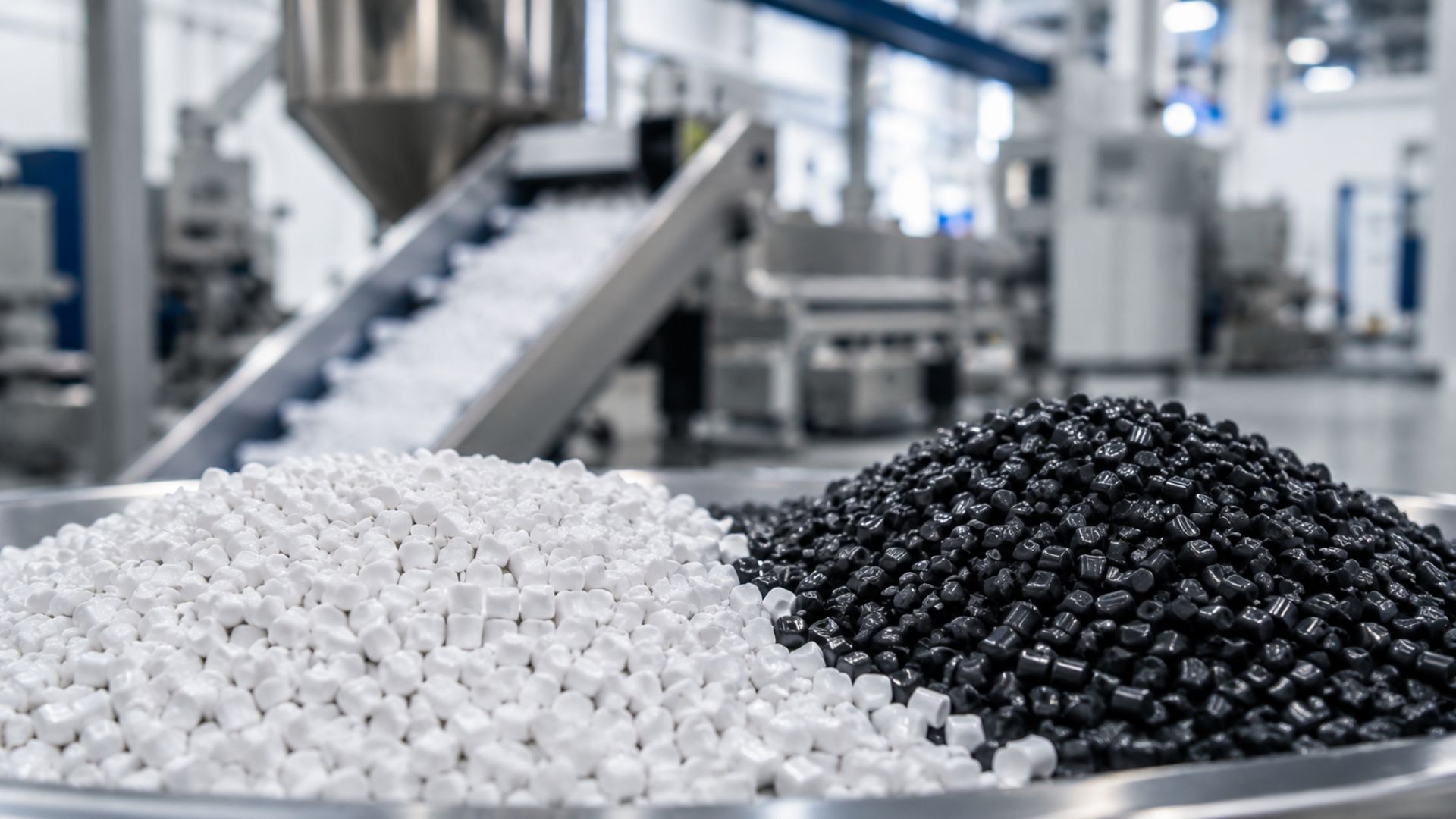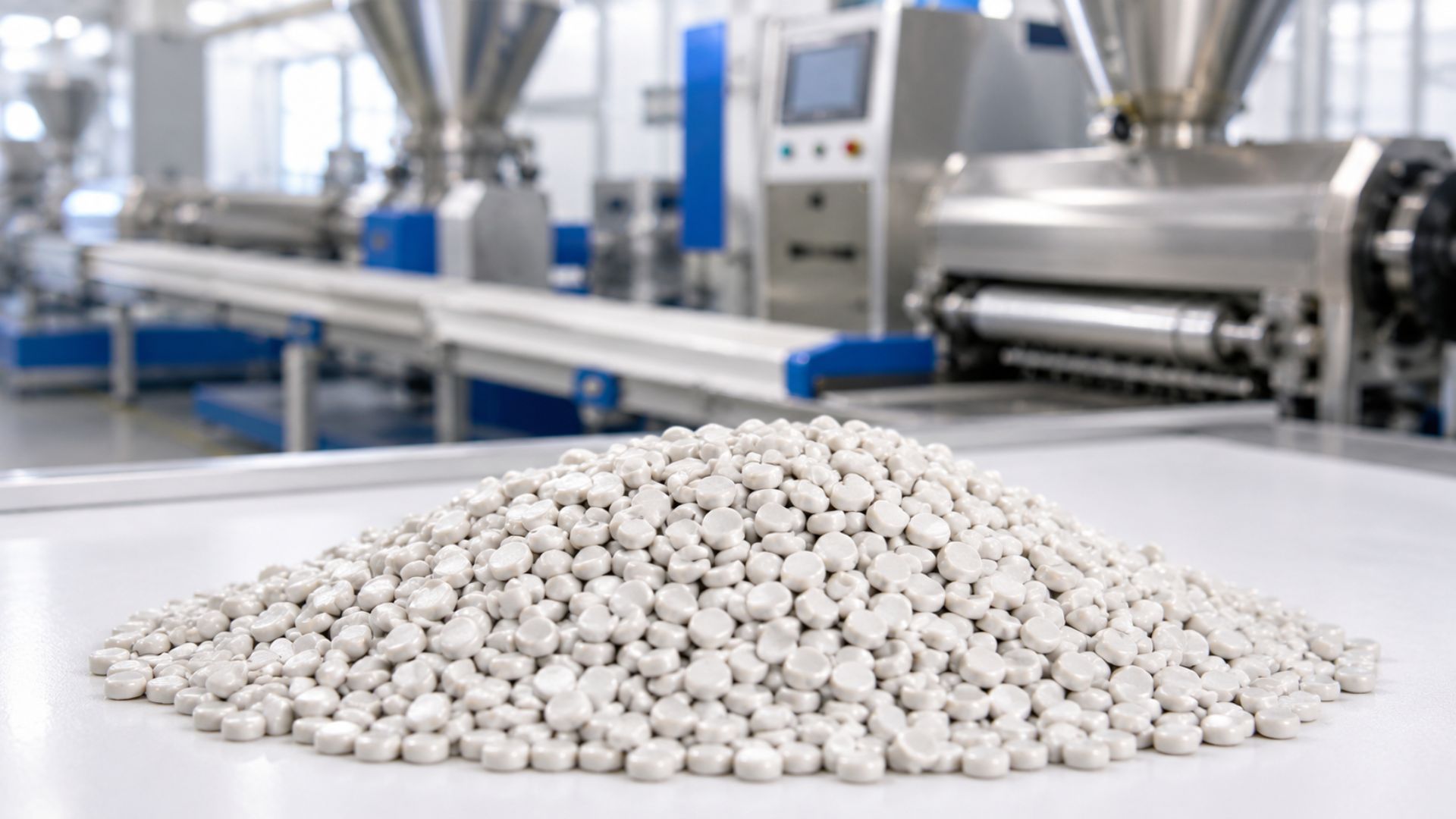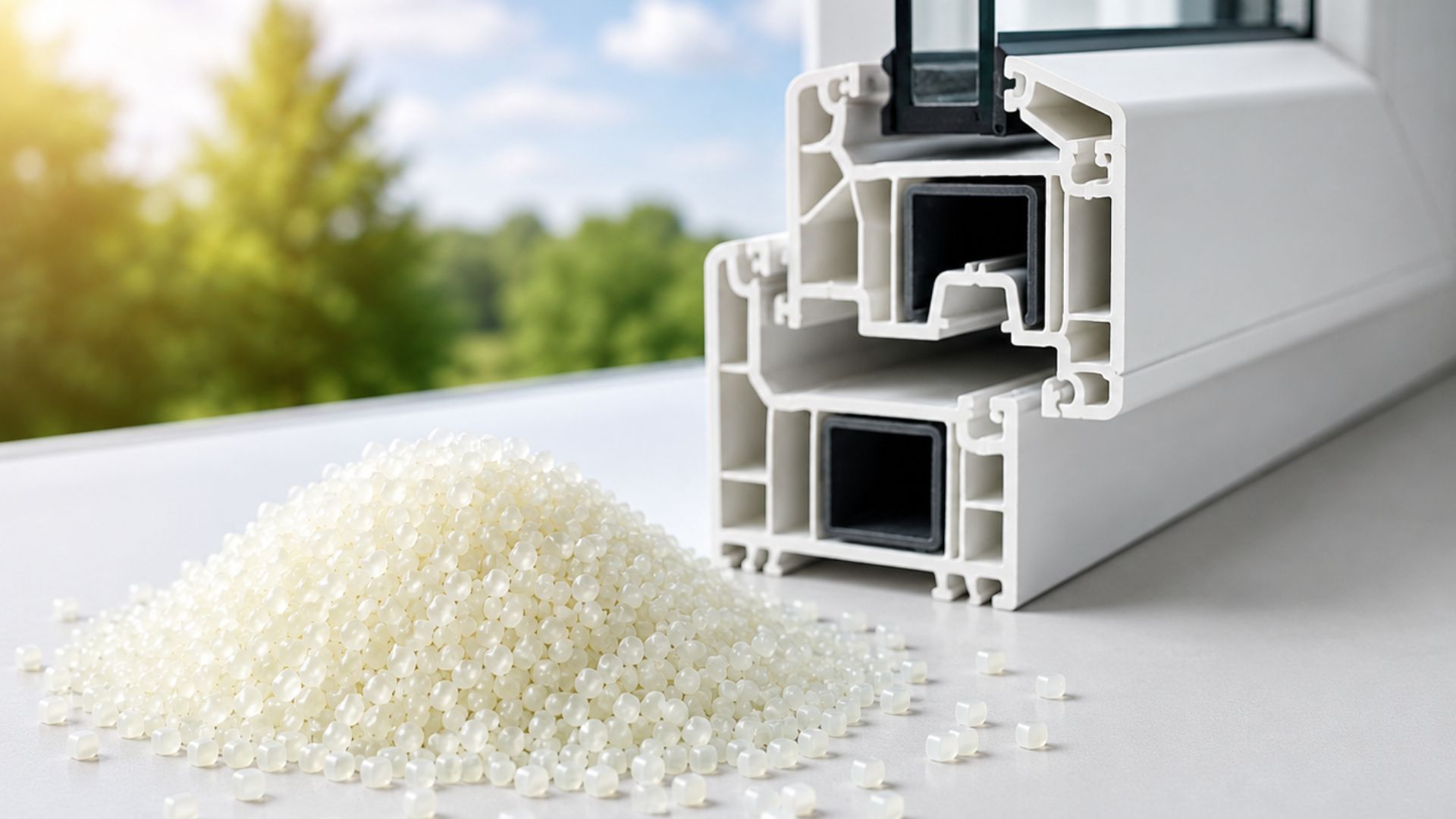
Antioxidant masterbatch protects polymers against thermal-oxidative degradation during processing and throughout their service life. However, achieving effective stabilization requires more than simply adding an antioxidant. Polymer type, processing conditions, formulation design, and additive compatibility all influence the final performance. In this guide, CVN PLASTICS explores how antioxidant masterbatch works and practical applications across the plastics industry.
What Is Antioxidant Masterbatch?
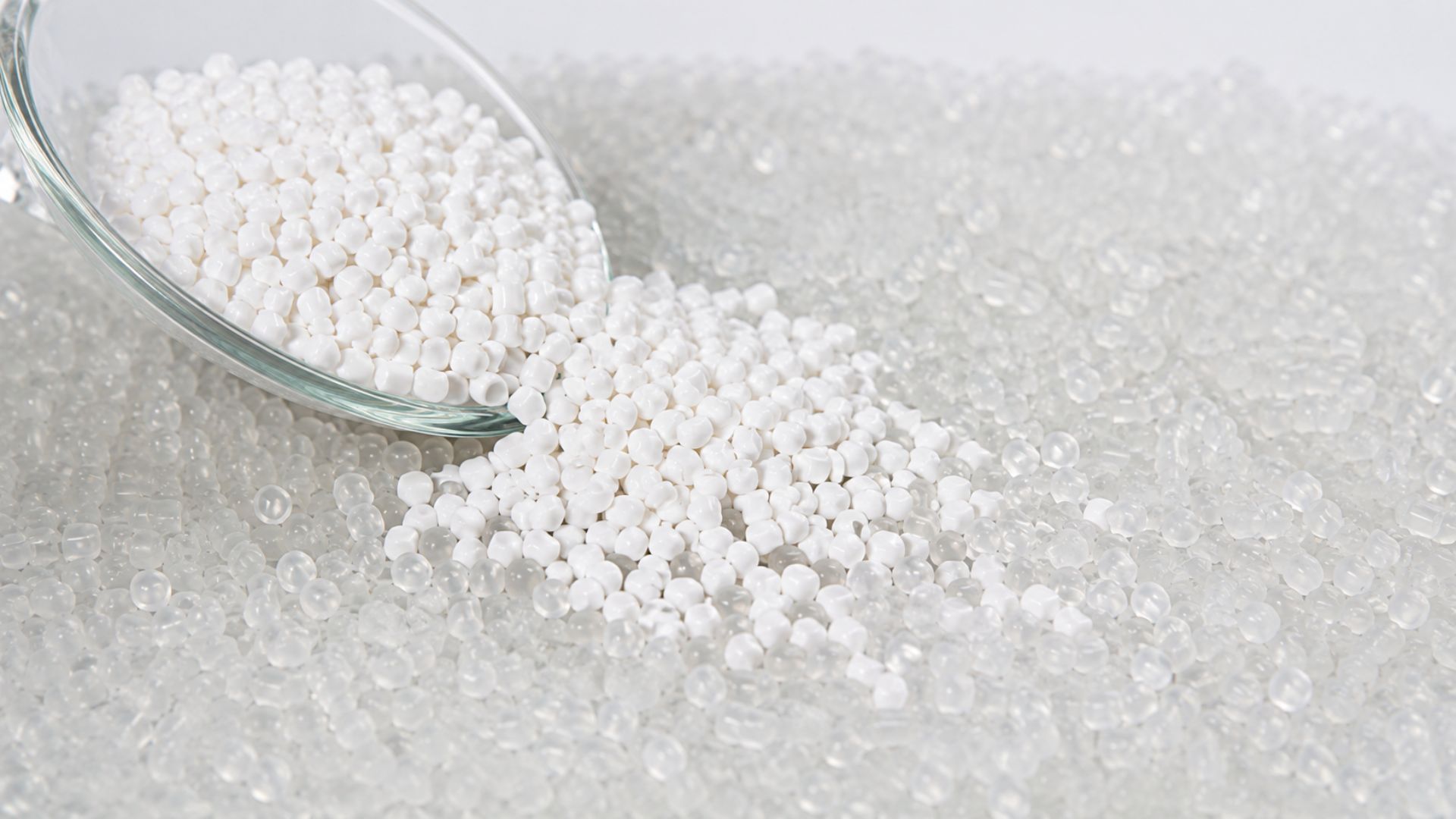
Antioxidant masterbatch is a concentrated, pelletized additive system that slows the oxidative degradation of polymers during processing, storage, and service. It normally contains one or more antioxidant chemistries dispersed in a compatible carrier resin, together with processing aids that help the active ingredients distribute uniformly through the final compound.
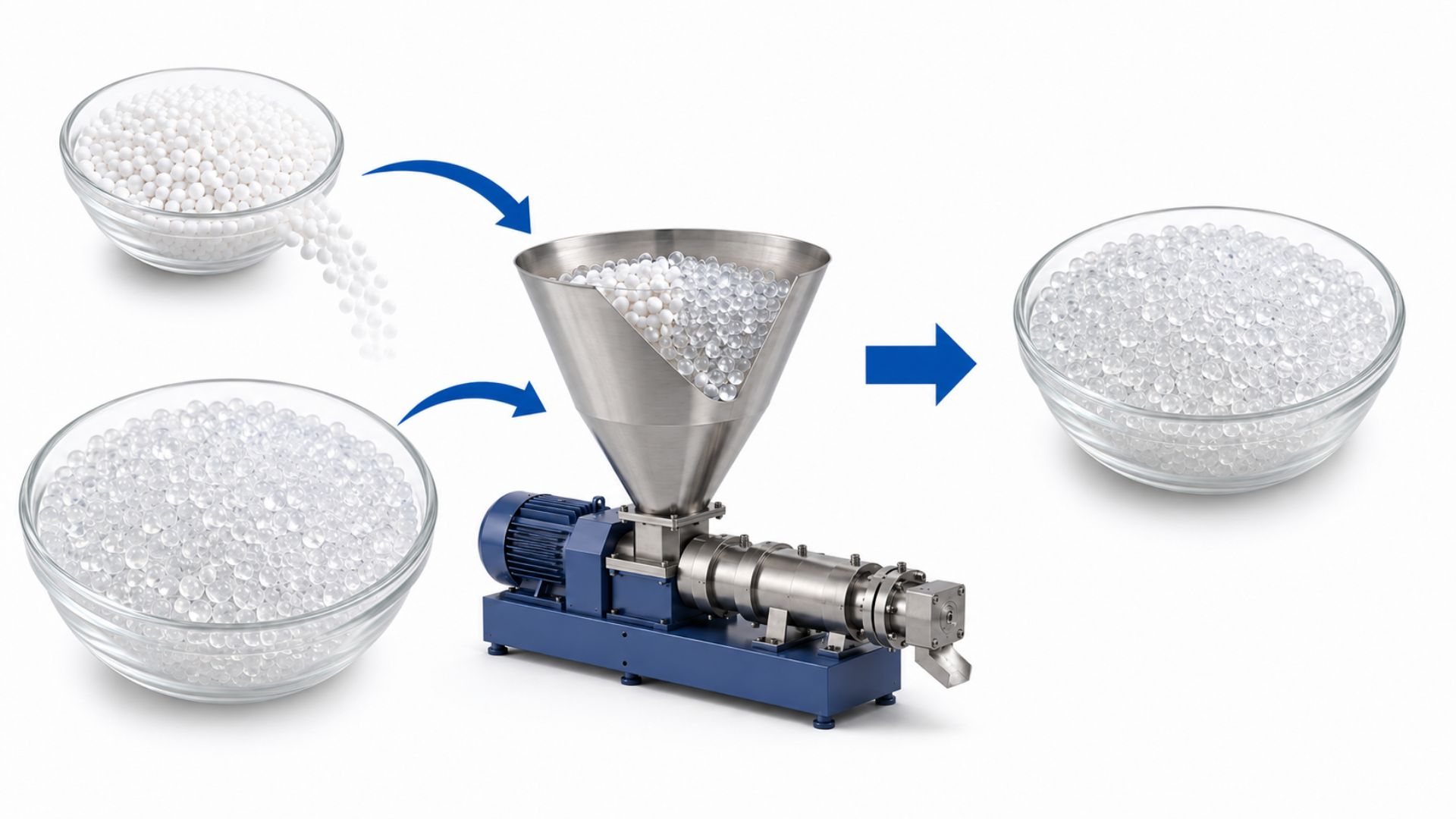
The active package may include primary antioxidants, secondary antioxidants, or both. Common carriers include polyethylene, polypropylene, ethylene-vinyl acetate, or another polymer compatible with the resin being stabilized.
Antioxidants do not reverse damage that has already occurred. They interrupt oxidation reactions before those reactions produce unacceptable changes in molecular weight, color, viscosity, and mechanical performance. Typical signs include changes in melt viscosity, appearance, elongation, impact strength, tensile strength, or flexibility. Heat, light, and mechanical stress can all accelerate degradation.
Why Do Plastics Oxidize?
Oxidation is a radical chain process that begins when weak sites within polymer chains, created during polymerization, processing, storage, or previous use, are activated by sufficient energy to form polymer radicals. Understanding this mechanism is essential for selecting the right antioxidant masterbatch for different resins and processing conditions. Once formed, polymer radicals react with oxygen to produce peroxy radicals, which then generate hydroperoxides.
These hydroperoxides decompose into new reactive species, leading to chain scission, crosslinking, and ultimately the loss of polymer properties. The degradation pathway varies with polymer structure. Polypropylene typically undergoes chain scission, increasing melt flow and reducing molecular weight, while polyethylene may experience chain scission, crosslinking, or both. Without adequate stabilization, repeated processing can significantly alter melt behavior and accelerate polymer degradation.
High processing temperature
Extrusion, injection molding, film blowing, fiber spinning, and compounding expose polymers to elevated temperatures. Higher temperature accelerates radical-forming reactions. Local overheating may occur near barrel walls, screw tips, dead zones, and screens. Risk also rises during production stops, unstable flow, or prolonged residence time. A properly formulated antioxidant masterbatch helps reduce thermal degradation during these high-temperature processes.
Oxygen and mechanical shear
Oxygen reacts with polymer radicals to form peroxy radicals. These species abstract hydrogen from neighboring chains, producing hydroperoxides and new radicals. Hydroperoxides can then decompose into highly reactive species that continue the cycle.
Shear is necessary for melting and mixing, but excessive shear raises melt temperature and can contribute to chain damage. High screw speed, restrictive dies, or blocked filters intensify this effect. An effective antioxidant masterbatch interrupts this oxidation cycle and improves melt stability.
Light and ultraviolet radiation
Ultraviolet radiation can initiate photo-oxidation by generating excited states and radicals in the polymer or in light-absorbing impurities. Antioxidants can slow downstream oxidation, but they do not perform the same function as ultraviolet absorbers or hindered amine light stabilizers. Outdoor products usually need a package designed for both thermal oxidation and light exposure.
Metal contamination and other impurities
Trace metals can catalyze hydroperoxide decomposition and accelerate radical generation. Sources include pigments, mineral fillers, catalyst residues, wear particles, and recycled feedstock. Moisture, incompatible polymers, residual chemicals, and organic contamination may further destabilize recycled materials or create color and odor problems.
Repeated processing and recycling
Every melt cycle consumes part of the original stabilization package while exposing the polymer to more heat, shear, and oxygen. Recycled material may therefore contain much less residual antioxidant than virgin resin, even when it initially looks acceptable.
Studies of recycled polypropylene and polyethylene show that restabilization may be necessary when residual antioxidant levels are low. Repeated processing without adequate restabilization can cause severe degradation and unstable melt behavior.
Signs That a Polymer Is Oxidizing
Oxidation rarely appears as one isolated defect. Several changes often occur together.
Yellowing, odor, and black specks
Color formation can result from oxidation products, degraded additives, contaminants, or interactions between formulation components. Yellowing is especially visible in natural, white, transparent, and lightly pigmented products.
A burnt odor may indicate overheating, long residence time, contamination, or advanced degradation. Black specks may originate from carbonized material trapped in dead zones, although pigment agglomerates and external contamination should also be checked. Antioxidants cannot correct poor machine cleaning or severe thermal history.
Changes in melt flow
Melt flow rate indicates molecular-weight change. In polypropylene, oxidative chain scission often increases melt flow. In polyethylene, crosslinking may reduce melt flow, while chain scission may increase it. Results must therefore be interpreted according to the specific resin and process.
Brittleness and mechanical loss
Chain scission may reduce elongation, impact resistance, and toughness. Crosslinking can make processing more difficult and reduce ductility. Symptoms include cracking, weak weld lines, premature failure, reduced fiber strength, or poor resistance to flexing.
Surface and optical defects
Oxidation can reduce gloss, increase haze, create gels, and produce uneven surfaces. These effects are especially important in films, fibers, molded consumer products, and cable insulation.
How Does Antioxidant Masterbatch Work?
The most effective systems often combine antioxidants that act at different stages of oxidation.

Primary antioxidants
Primary antioxidants are radical scavengers. Hindered phenols are widely used in thermoplastics. They donate hydrogen to reactive peroxy radicals, converting them into less reactive species and interrupting oxidation propagation.
They are important for long-term thermal stability, but performance depends on molecular structure, volatility, compatibility, and extraction resistance. Aminic antioxidants are used in selected elastomers, polyols, lubricants, and technical applications, although discoloration may limit their use in some plastics.
Secondary antioxidants
Secondary antioxidants decompose hydroperoxides before they split into new radicals. Phosphites and phosphonites are widely used for melt-processing stabilization. Thioesters are also used where longer-term heat-aging performance is needed.
Phosphites are consumed during processing and are usually not relied on alone for long-term stabilization. Research on polyethylene shows that phenol–phosphite combinations can improve melt-flow retention and thermo-oxidative stability more effectively than phosphite alone.
Synergistic antioxidant systems
A primary antioxidant removes propagating radicals, while a secondary antioxidant removes hydroperoxides. Their combined action addresses two points in the oxidation cycle.
The optimum ratio is application-specific. A formulation focused on processing protection may use a relatively stronger phosphite component, while prolonged heat resistance may require more durable primary antioxidants or additional long-term stabilizers.
Composition Of Antioxidant Masterbatch
Active antioxidant package
The active package may contain a hindered phenol, phosphite, phosphonite, thioester, or a prebalanced mixture. Selection should consider polymer type, processing temperature, residence time, service temperature, color requirements, regulatory status, and interaction with pigments, fillers, flame retardants, and other additives.
Carrier resin
The carrier must melt and disperse under the final polymer’s processing conditions. PE carriers are common in polyethylene systems, while PP carriers are preferable when added polyethylene could alter stiffness, heat resistance, or crystallization. Lower-melting carriers may suit selected blends but are not universally compatible.
Carrier compatibility affects dispersion, surface quality, mechanical properties, weld strength, and migration. Its melt flow should support rapid incorporation without unmelted particles or excessive local shear.
Dispersants, lubricants, and stabilizers
Dispersants reduce agglomeration. Lubricants support pellet production and flow, but excessive lubrication may affect printing, sealing, adhesion, or mechanical performance. Supporting additives may improve color retention, acid neutralization, or metal deactivation.
Types Of Antioxidant Masterbatch
By stabilization objective
Processing stabilizers protect the melt during extrusion, molding, spinning, or repeated compounding. Long-term heat stabilizers preserve properties during extended thermal service.
Other systems are optimized for recycled feedstock, high-temperature polymers, low-color applications, or formulations containing demanding fillers and pigments.
By polymer
PE and PP antioxidant masterbatches are common in polyolefins. ABS, PA, PET, and engineering compounds require different carriers and antioxidant chemistries because their processing temperatures, polarity, moisture sensitivity, and degradation mechanisms differ.
A polyolefin masterbatch should not be transferred automatically into an engineering polymer. Even when the antioxidant chemistry remains effective, an unsuitable carrier may affect mechanical properties, appearance, crystallization, or processing behavior.
By active chemistry
Common categories include:
- Phenolic antioxidant masterbatch.
- Phosphite or phosphonite antioxidant masterbatch.
- Thioester-containing systems.
- Combined phenol-phosphite packages.
The chemical category alone does not define performance. Molecular weight, volatility, hydrolytic stability, extraction resistance, compatibility, and active concentration must also be considered.
Benefits In Plastic Processing And Product Performance
A correctly selected antioxidant masterbatch can reduce color drift, limit molecular-weight change, stabilize melt flow, preserve elongation and impact strength, and reduce degradation-related scrap. Pelletized delivery can also improve dosing consistency and reduce dust compared with low-dose powders.
Performance should be measured against a defined control. Useful tests include:
- Melt flow before and after repeated extrusion
- Yellowness index or color difference
- Tensile strength and elongation at break
- Impact strength
- Gel and black-speck count
- Odor assessment
- Oxidative induction time
- Accelerated thermal-aging performance
ASTM D3895 and ISO 11357-6 describe differential-scanning-calorimetry methods for determining oxidative induction time or oxidation induction temperature in stabilized polymers. Antioxidants cannot compensate for excessive residence time, severe contamination, moisture, poor screw design, or inadequate temperature control. Stabilization is one element of process control, not a substitute for it.
Practical Applications

PE Blown Film
In blown film, oxidation may contribute to yellowing, gels, unstable output, reduced elongation, and weak film, especially with recycled PE. An appropriate package helps control molecular-weight change and supports more consistent optical and mechanical properties.
Antioxidant selection must also account for film thickness, processing temperature, recycled content, sealing requirements, printing performance, and possible interaction with slip or antiblock additives.
PP Woven Sacks and Raffia
PP tape extrusion combines elevated temperature, shear, drawing, and high production speed. Oxidative chain scission can change melt flow and weaken tapes.
Stabilization helps maintain consistency and tensile performance, but it must be assessed together with drawing ratio, cooling conditions, filler loading, pigment concentration, and recycled content. Frequent tape breakage should not automatically be attributed to insufficient antioxidants, as poor dispersion, excessive filler, unstable drawing, or inconsistent resin quality may produce similar symptoms.
Injection Molding
Injection molding exposes resin to repeated heating, high shear, and sometimes long residence time in the barrel or hot runner. Antioxidants can reduce thermal-oxidative damage, color shift, odor, and property loss.
Persistent burning or black specks also require examination of dead zones, heater control, screw recovery, back pressure, material drying, and purging procedures.
Pipes
Pipe compounds may require both processing stability and long-term thermal resistance. The stabilizer system should be validated through relevant standards, not only short molding trials. Carrier compatibility and dispersion remain critical.
Antioxidant concentration must be considered together with service temperature, pressure, wall thickness, extraction conditions, pigment package, and expected lifetime.
Wire and Cable
Cable insulation and jacketing experience heat during extrusion and service. Antioxidants help preserve polymer integrity, while outdoor or high-temperature cables may also need light stabilizers, metal deactivators, flame-retardant compatibility, and specialized aging tests.
Copper conductors and other metals may accelerate degradation in certain polymer systems. In these cases, an antioxidant alone may be insufficient, and a metal deactivator may be required.
Recycled Plastics
Recycled plastics present the greatest uncertainty because residual stabilizer content, contamination, composition, and previous thermal history may be unknown. Restabilization should be based on characterization and repeated-processing trials rather than appearance alone. Antioxidant quantity must be controlled: too little leaves the polymer underprotected, while unnecessary accumulation may affect color, migration, or additive interactions.
Post-industrial recyclate may have a more predictable composition and thermal history than post-consumer recyclate. Post-consumer streams may contain mixed polymers, pigments, fillers, metals, adhesives, printing inks, degradation products, and unknown residual additives. For this reason, recycled formulations should ideally be assessed through incoming-material control, melt-flow testing, color measurement, mechanical testing, and repeated extrusion.
How Much Antioxidant Masterbatch Should Be Used?
There is no universal addition rate. Dosage depends on:
- Active antioxidant concentration
- Antioxidant chemistry
- Polymer type
- Processing temperature
- Residence time
- Oxygen exposure
- Recycled content
- Contamination level
- Product thickness
- Service temperature
- Required lifetime
The correct procedure is to convert masterbatch dosage into delivered active content, establish a control formulation, and conduct a dose-response trial.
At a minimum, the evaluation should include melt flow, color, mechanical properties, and a suitable oxidation-stability test. Repeated extrusion is especially useful when the material will be processed more than once.
A supplier’s recommended range is only a starting point. Regulated applications may also impose substance-specific limits or migration requirements.
Common Mistakes
Adding the antioxidant only after visible yellowing
Visible discoloration may occur after molecular damage has begun. Stabilization is more effective when designed into the formulation before severe degradation develops. Once polymer chains have already undergone extensive scission or crosslinking, adding more antioxidants cannot restore the original molecular structure.
Using one package for every polymer
Different polymers degrade by different routes and at different temperatures. Carrier resin, antioxidant volatility, thermal stability, and additive compatibility must match the application. A system developed for PE or PP may not tolerate the processing temperature of PET, PA, or another engineering polymer.
Ignoring carrier compatibility
An incompatible carrier may create poor dispersion, surface defects, reduced mechanical properties, or sealing and printing problems even when the antioxidant chemistry is suitable. Compatibility should be assessed not only by polymer name but also by melt flow, polarity, crystallization behavior, processing temperature, and the concentration of carrier introduced through the masterbatch.
Confusing antioxidants with UV stabilizers
Antioxidants mainly interrupt thermal-oxidative reactions. UV absorbers reduce the harmful radiation reaching the polymer, while hindered amine stabilizers interrupt photo-oxidative cycles. Outdoor durability usually requires a combined system rather than a single antioxidant masterbatch.
Ignoring interactions with other additives
Pigments, fillers, flame retardants, acid scavengers, lubricants, processing aids, and recycled contaminants can affect antioxidant performance. Certain additives may consume stabilizers, catalyze degradation, alter dispersion, or change the color response of the antioxidant package.
Evaluating only color
A formulation can retain acceptable color while losing molecular weight, elongation, impact strength, or oxidation resistance. Color must therefore be assessed together with rheological, mechanical, and thermal-aging data. A visually acceptable product is not necessarily a chemically stable product.
Antioxidant Masterbatch vs. UV Masterbatch
| Criterion | Antioxidant Masterbatch | UV Masterbatch |
| Main stress addressed | Heat, oxygen, and processing-induced oxidation | Ultraviolet radiation and photo-oxidation |
| Main protection stage | Melt processing and thermal exposure during service | Outdoor or light-exposed service |
| Typical function | Radical scavenging and hydroperoxide decomposition | UV absorption and interruption of light-induced radical cycles |
| Common active groups | Hindered phenols, phosphites, phosphonites, and thioesters | UV absorbers and hindered amine light stabilizers |
| Can it replace the other? | No | No |
The technologies overlap only partially. Sunlight can initiate oxidation, and thermal oxidation can continue after light exposure. Outdoor products, therefore, often need antioxidants, ultraviolet absorbers, and hindered amine stabilizers in a coordinated package.
The balance depends on product thickness, pigment, geographic exposure, service temperature, expected lifetime, and whether the material is used continuously or intermittently outdoors.
Conclusion
The effectiveness of antioxidant masterbatch depends on choosing the right chemistry, dosage, and formulation for each application. When properly selected, it helps improve processing stability, preserve material properties, and extend the service life of plastic products.